
Tony’s Fear of Needles Saved His Life
Sometimes, it’s better to be stubborn than to be brave. In Tony’s case, his fear of needles was the push he needed to start taking better care of his health.
Tony had been living with type 2 diabetes for a while, but his motivation to take better care of himself kicked into gear when his doctor told him that he needed to start taking insulin.
At the time, Tony’s A1c was 10.3, and he was taking 2000mg Metformin and 8mg Glimeperide daily. But injecting insulin is different than taking a pill, and Tony wasn’t having it. He started looking into ways to reverse diabetes so that he could avoid taking daily injections.
Finding the Mastering Diabetes Method
This led him to Mastering Diabetes. He bought the book, read it cover to cover, and started implementing everything he’d read.
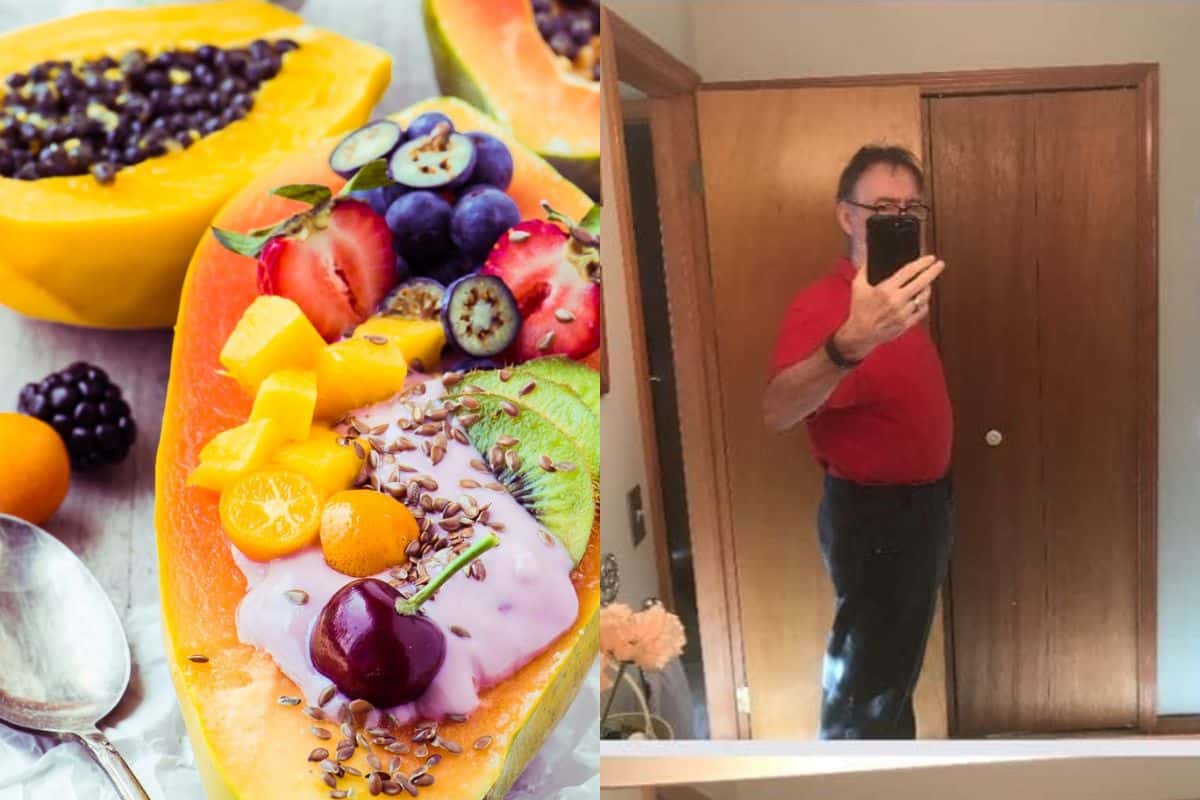
Although he was willing to give it a try, he was nervous and skeptical. He’d been limiting himself to half a banana per day, while the Mastering Diabetes Method says that you can eat unlimited amounts of fruit. But he figured that he had nothing to lose, so he gave it a shot.
It Didn’t Take Long
Very quickly, Tony saw his blood sugar drop dramatically. It eventually went so low that he became concerned. When he went to his doctor to see what he should do about this, his doctor told him to stop taking insulin. Just two months after buying the book, his wish had come true. He didn’t need to take daily insulin injections anymore.
His doctor also put him on a schedule to reduce and eventually stop taking his other medications. At the time of the interview. Tony has fully stopped taking Metformin and is taking just 2mg Glimeperide per day, with the plan to fully stop that as well at his next appointment.
Header | Before | After |
|---|---|---|
A1c (%) | 10.3 | 5.2 |
Weight (lbs) | 212 | 170 |
Medication | Insulin as needed | Glimeperide 2mg daily |
Symptoms | Hip and knee pain, low energy | Reduced pain, high energy |
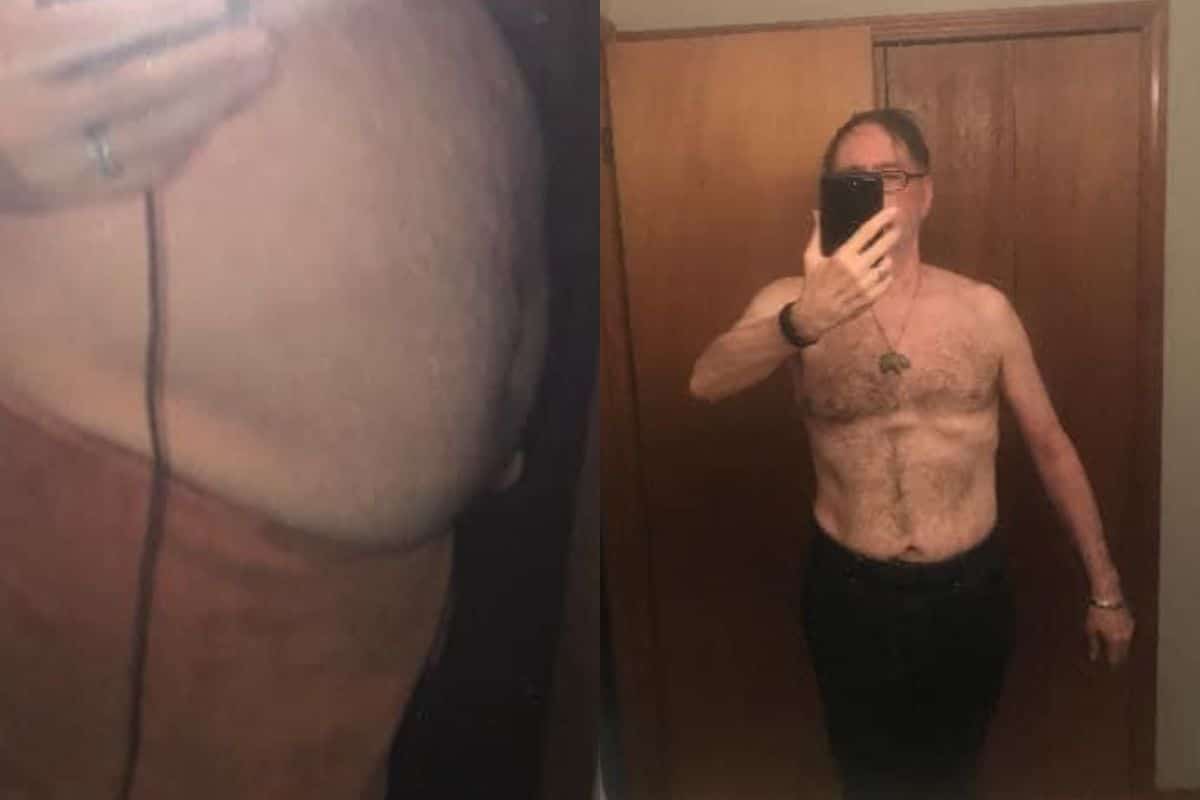
As if that’s not enough to celebrate, Tony’s made other major health improvements. His weight dropped from 212 to 170. His hip and knee pain has been greatly reduced and he has much more energy. Because of this, he’s been walking every day, on average covering about 5 miles.
Tony’s Advice If You’re On The Fence About Trying the Mastering Diabetes Method?
“Try it for 30 days. You have nothing to lose!”
You can eat as much as you want and don’t need to count calories, and you will lose weight and lower your A1c – this isn’t “too good to be true,” it’s the truth! And Tony can confirm, it feels very good.
Lower Your A1c and Fasting Blood Sugar... Guaranteed
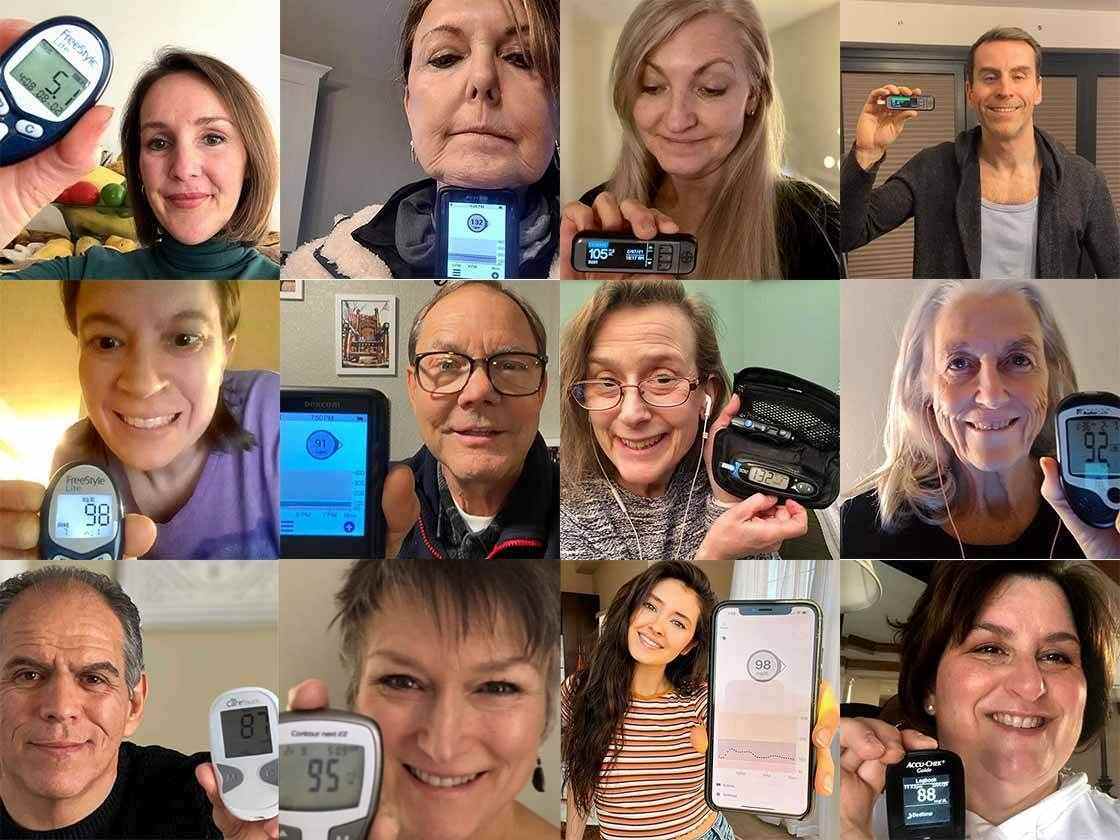
Your results are guaranteed. Join more than 10,000 ecstatic members today
Personalized coaching puts you in immediate control of your diabetes health, helps you gain energy, improves your quality of life, and reduces or eliminates your meds.