
Meet Guillermo. He never expected to be diagnosed with type 2 diabetes.
Four years ago, he was traveling through the Rocky Mountains with his son when something suddenly felt wrong. Guillermo was normally in good physical condition, but during a four-hour hike at high altitude, he found himself struggling to keep going.
He was also constantly thirsty, drinking enormous amounts of water throughout the trip. By the time he returned home seven days later, he had lost so much weight that his wife immediately noticed something was wrong.
Then Guillermo remembered two classic symptoms of diabetes: excessive thirst and unexplained weight loss.
He asked a colleague with type 2 diabetes to check his blood sugar. When his colleague saw the result, his face changed. Guillermo needed to see a doctor.
Additional testing confirmed that he had type 2 diabetes, a diagnosis that completely blindsided him.
Searching for a Way to Reverse Type 2 Diabetes
Guillermo's first reaction was shock, followed quickly by questions: How had this happened? What was going on inside his body? And most importantly, what could he do about it?
Rather than accepting that type 2 diabetes would inevitably progress, Guillermo began researching the condition extensively. One book led to another until he eventually discovered Mastering Diabetes.
The approach changed the way he thought about nutrition, insulin resistance, and his own health.
Guillermo adopted a low-fat, whole-food, plant-based lifestyle centered around foods like green vegetables and legumes. He dramatically reduced added fats, eliminated animal foods, incorporated exercise, and became much more intentional about his daily habits.
The results were powerful.
His A1c came down and remained around the 5.9 to 6.0 range. His physician was so impressed by the improvement that eventually he told Guillermo he no longer needed checkups every six months and could return the following year.
Guillermo had accomplished exactly what he had hoped for. But that success also led to an important mistake.
When Success Turned Into Overconfidence
After hearing how well he was doing, Guillermo interpreted the news to mean that type 2 diabetes was completely behind him.
He stopped monitoring his blood sugar. And slowly, his old lifestyle returned: Donuts. Hamburgers. Pizza. Hot dogs. Beer.
Friday nights once again included pizza and drinks with his wife, and the habits that had helped him achieve his original transformation gradually disappeared.
For about a year, Guillermo did not check his glucose or A1c. Then the familiar symptoms returned.
He became extremely thirsty and once again began losing weight unexpectedly. When he finally bought another glucose meter and checked his blood sugar, the reading was 250 mg/dL.
Type 2 diabetes had returned.
This time, however, Guillermo knew exactly where to turn.
Returning to Mastering Diabetes
Guillermo had already experienced firsthand what happened when he changed his lifestyle.
So when his blood sugar climbed again, he returned to the principles that had helped him before and enrolled in the Mastering Diabetes Coaching Program.
He resumed his low-fat, whole-food, plant-based lifestyle, prioritized exercise, and worked closely with the coaches. For Guillermo, having expert guidance made a significant difference.
He describes meeting his coach as a blessing, not only because of the support she provided, but because of her knowledge of nutrition and diabetes management.
Instead of simply repeating what had worked previously, he now had someone helping him better understand how to build habits he could maintain for the long term.
Guillermo's Before and After Results
Within just three months of returning to the program, his numbers changed dramatically.
Header | Before | After |
|---|---|---|
A1c (%) | 10.2 | 5.8 |
Fasting Blood Glucose (mg/dL) | 108 | 92 |
Exercise | Inconsistent | Regular movement after meals |
His A1c dropped from 10.2% to 5.8% in only three months. On the day of his interview, his fasting blood glucose was 92 mg/dL, with an average glucose of 108 mg/dL.
For Guillermo, seeing those numbers improve for a second time reinforced an important lesson.
He had already proven that changing his lifestyle could dramatically improve his health. This time, he understood that maintaining those habits mattered just as much as achieving the initial result.
Learning That Long-Term Success Requires Long-Term Habits
Guillermo's story is unusual because he experienced the transformation twice.
The first time, his results gave him confidence. The second time, they gave him perspective.
He now understands that improving insulin sensitivity is not about following a temporary diet until the numbers look better and then returning to the habits that contributed to the problem. It is about creating a lifestyle.
For Guillermo, that means filling his meals with whole plant foods, keeping dietary fat low, exercising consistently, and continuing to pay attention to his metabolic health even when his numbers are excellent.
His experience also changed his attitude toward routine testing. Before his diagnosis, Guillermo admits he had been reluctant to undergo regular medical examinations. Looking back, he considers that a mistake.
Today, he understands the value of knowing his numbers instead of assuming everything is fine simply because he feels healthy.
Movement Became Part of the Solution
Nutrition wasn't the only habit Guillermo embraced. Movement became another important part of his routine.
One of the strategies he emphasizes is walking after meals. Instead of viewing exercise as something that has to happen during a long, intense workout, he learned how smaller periods of movement can become part of everyday life.
That combination of nutrition and regular activity became central to the way he approaches improving insulin sensitivity and managing his blood sugar.
Why Coaching Made a Difference the Second Time
Guillermo already knew the Mastering Diabetes principles worked for him before he enrolled in Coaching again.
What he needed was help turning that knowledge back into consistent action.
Working with his coach gave him guidance, accountability, and a deeper understanding of the habits required to keep moving forward.
That distinction became especially important because Guillermo had learned firsthand how easy it can be to become complacent when your lab results improve.
Getting healthy was one goal. Learning how to stay healthy became the next.
What Guillermo Wants Others to Know
Guillermo's experience taught him not to wait until symptoms become impossible to ignore.
His first diagnosis came after excessive thirst, unexpected weight loss, and an exhausting hike.
His second wake-up call came after he stopped monitoring his health and watched the same symptoms return.
Today, he encourages others to take elevated blood sugar seriously and make sustainable changes to their nutrition and exercise habits.
Most importantly, his story shows why improving your numbers is only part of the journey.
The habits that helped you get there still matter after you've succeeded.
For Guillermo, that lesson came the hard way. But when he needed to turn his health around again, he knew exactly what was possible.
Ready to See Results Like Guillermo?
If you're living with type 2 diabetes, struggling with elevated blood sugar, or have watched your A1c climb after previously improving your health, Guillermo's story shows the power of returning to the habits that improve insulin sensitivity and committing to them for the long term.
Book a free discovery call with one of our advisors and learn how to begin your own transformation.
Lower Your A1c and Fasting Blood Sugar... Guaranteed
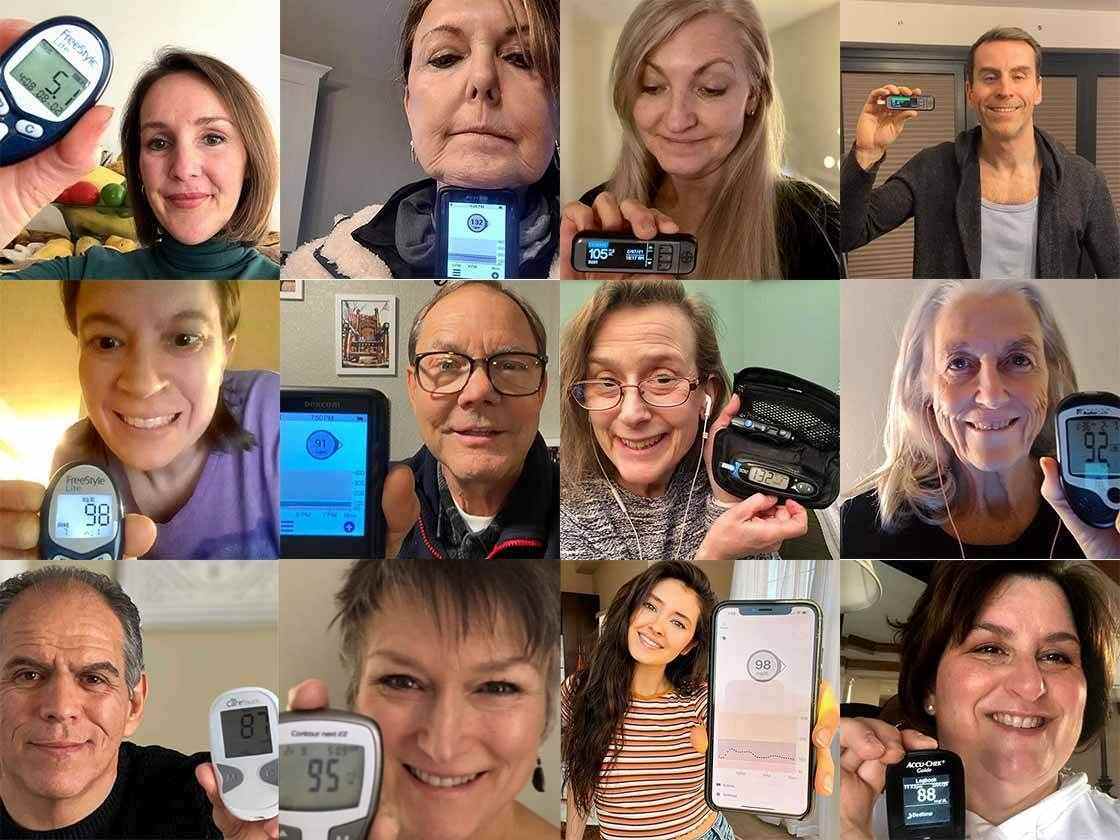
Your results are guaranteed. Join more than 10,000 ecstatic members today
Personalized coaching puts you in immediate control of your diabetes health, helps you gain energy, improves your quality of life, and reduces or eliminates your meds.