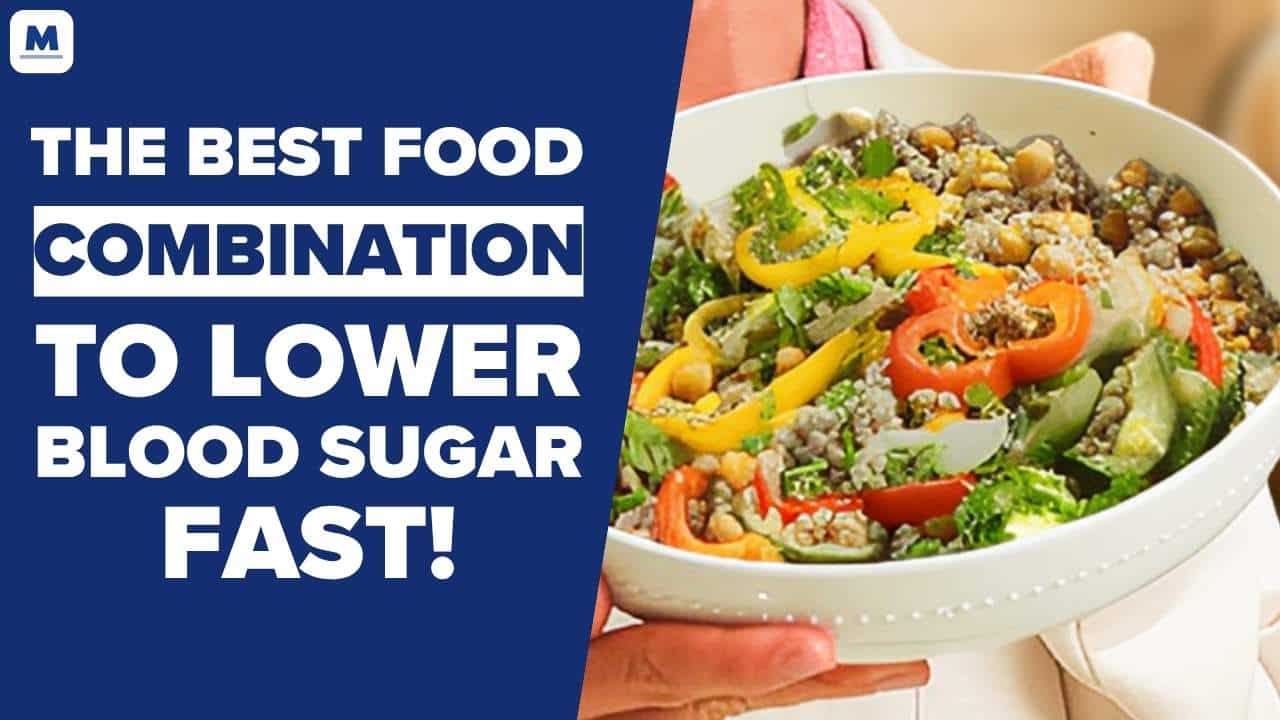

If you’re living with diabetes, you’ve probably been told that carbs are the enemy, that fruit is dangerous, that sugar is what raises your blood sugar.
But here’s the truth: The most dangerous food for diabetes isn’t sugar at all. It’s something hiding in almost every “healthy” meal plan people with diabetes are told to eat. And today, you’ll learn exactly what it is, how it destroys insulin sensitivity, and what to replace it with, so you can finally bring your blood sugar down for good.
It’s Not Sugar — It’s Insulin Resistance
Most people think diabetes is just “too much sugar in the blood.” But the real problem is that your cells can’t use that sugar properly. That problem is called insulin resistance.
Think of your cells like tiny houses with locked doors:
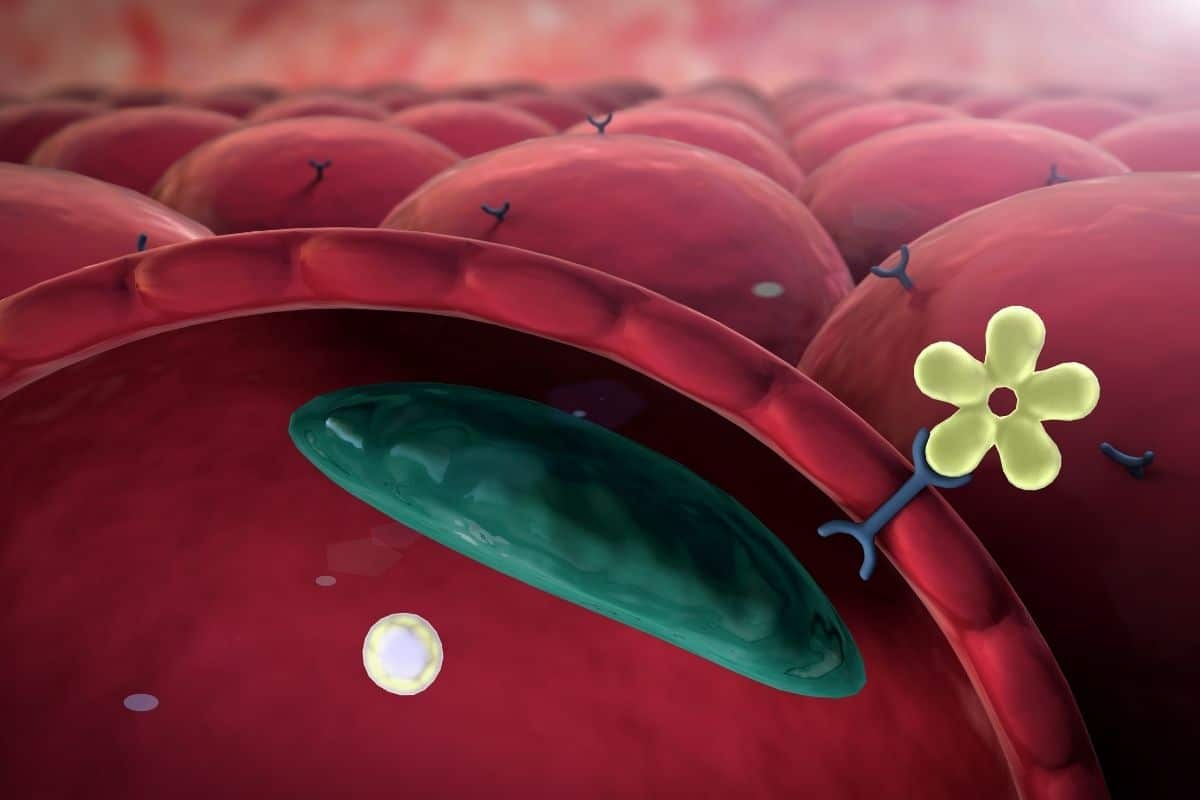
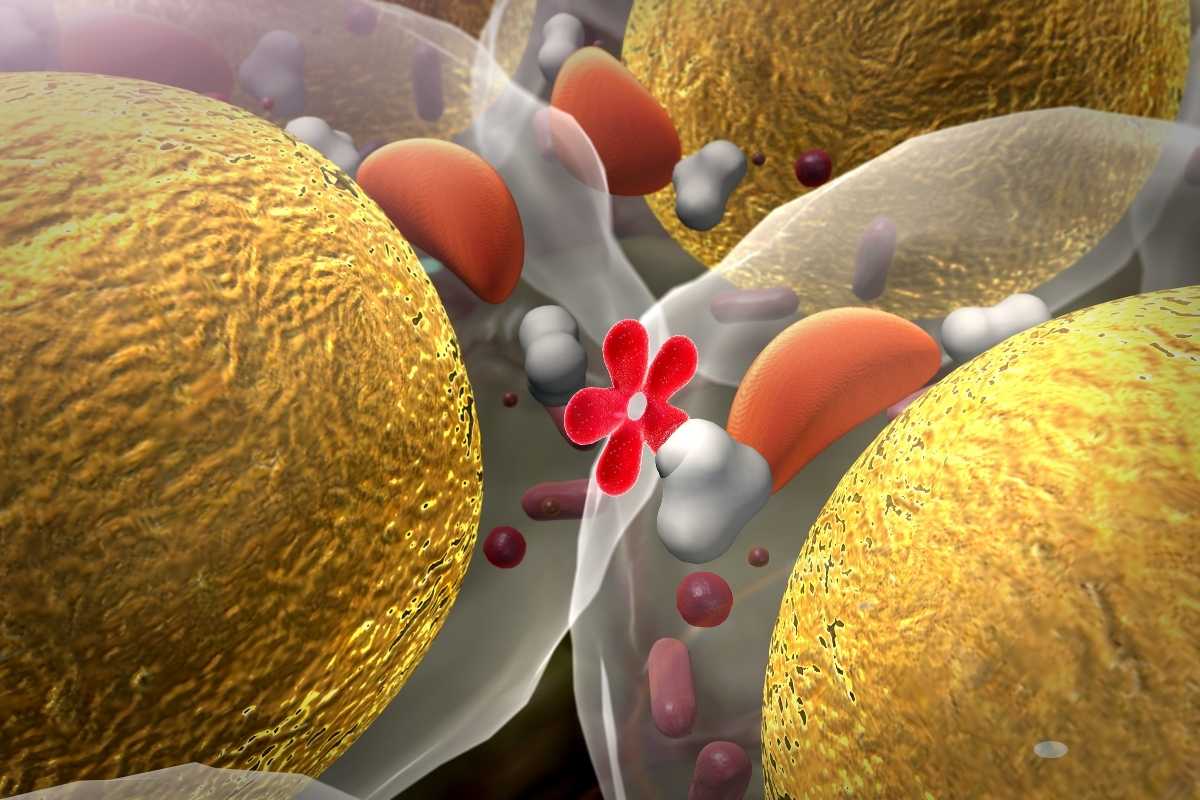
When everything works, insulin opens the door and glucose walks right in. But when fat builds up inside your muscle and liver cells, it’s like someone stuffed chewing gum in the lock: The key still works, but the lock won’t turn. The door won’t open. And glucose gets stuck in your bloodstream.
So the real question becomes: What’s gumming up the lock?
The #1 Most Dangerous Food for Diabetes: Fat (Especially Saturated Fat and Oil)
Here’s the twist: The most dangerous food for diabetes isn’t sugar — it’s fat. More specifically:
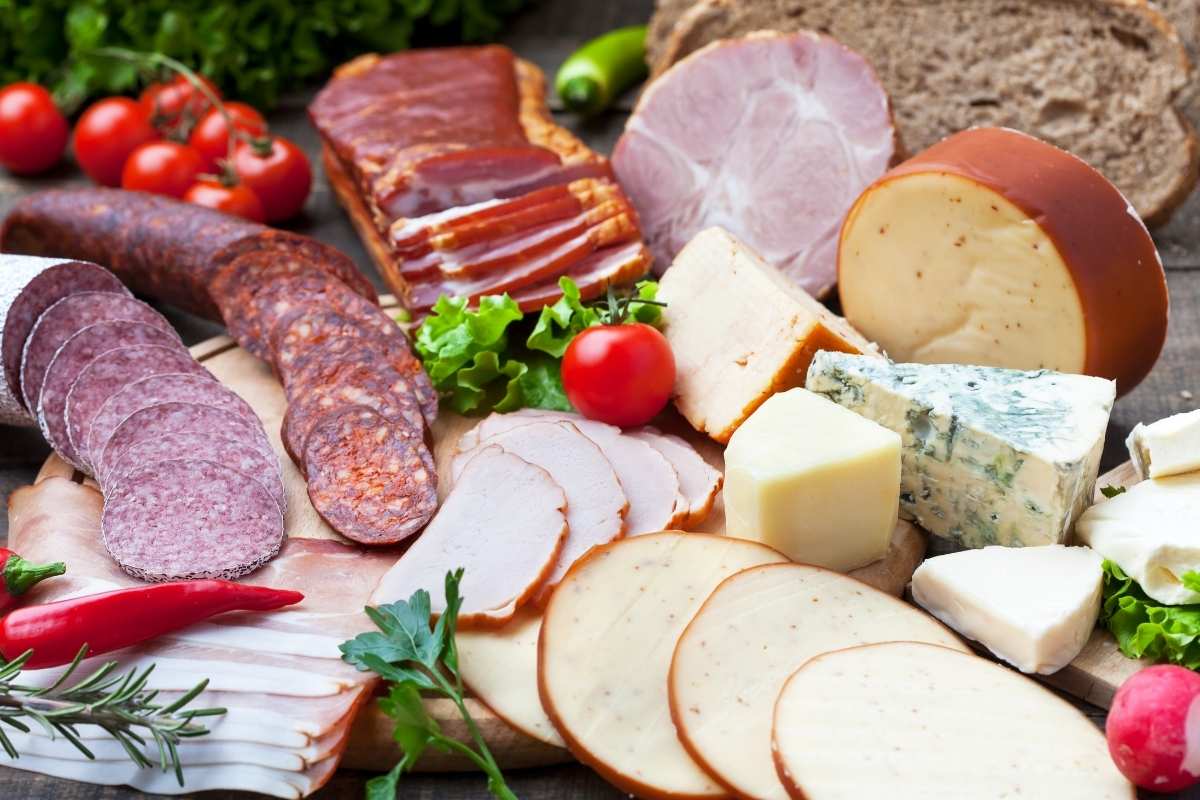
These foods are extremely fat-dense and contain zero fiber. And that fat doesn’t just sit on your waistline. Much of it ends up stored inside your muscle and liver cells as:
These fat droplets block insulin from working. So even if you barely eat carbohydrates, if your cells are full of fat, your blood sugar can STILL stay high.
The Science Is Crystal Clear
A large review in Nutrition Reviews concluded that the amount and type of fat you eat can significantly increase or decrease insulin resistance. High-fat diets, especially diets high in saturated fat, make it harder for insulin to work.
And in a 16-week randomized clinical trial published in JAMA Network Open, adults following a low-fat, plant-based diet:
All without counting calories or restricting carbohydrates.
This is the opposite of what most people with diabetes are told. They’re told to cut carbs, but no one explains that fat is what blocks insulin in the first place.
Why People Think Carbs Are the Problem
Here’s how the confusion starts:
- Someone with insulin resistance eats a banana.
- Their blood sugar spikes.
- They instantly think: “See? Carbs ARE the problem.”
But let’s use a simple analogy.
Your Metabolism Is a Sink, And Fat Is the Grease
When a sink is clean, water flows freely.
Now imagine that sink is clogged with grease. Water backs up, not because water is the problem, but because the drain is blocked.
In diabetes, the “grease” blocking the drain is excess fat stored inside your cells. Once you clear that out, glucose flows normally again: Your blood sugar drops — not because you cut carbs, but because you fixed the clog.
So when someone says: “Fruit spikes my blood sugar,” what they’re really seeing is a fat problem, not a carb problem.
So What’s the Most Dangerous Food for Diabetes?
Oil. Olive oil, coconut oil, avocado oil, canola oil — all of it. Why?
One tablespoon is 120 calories of pure liquid fat with no fiber, no water, and none of the nutrients found in whole plants.
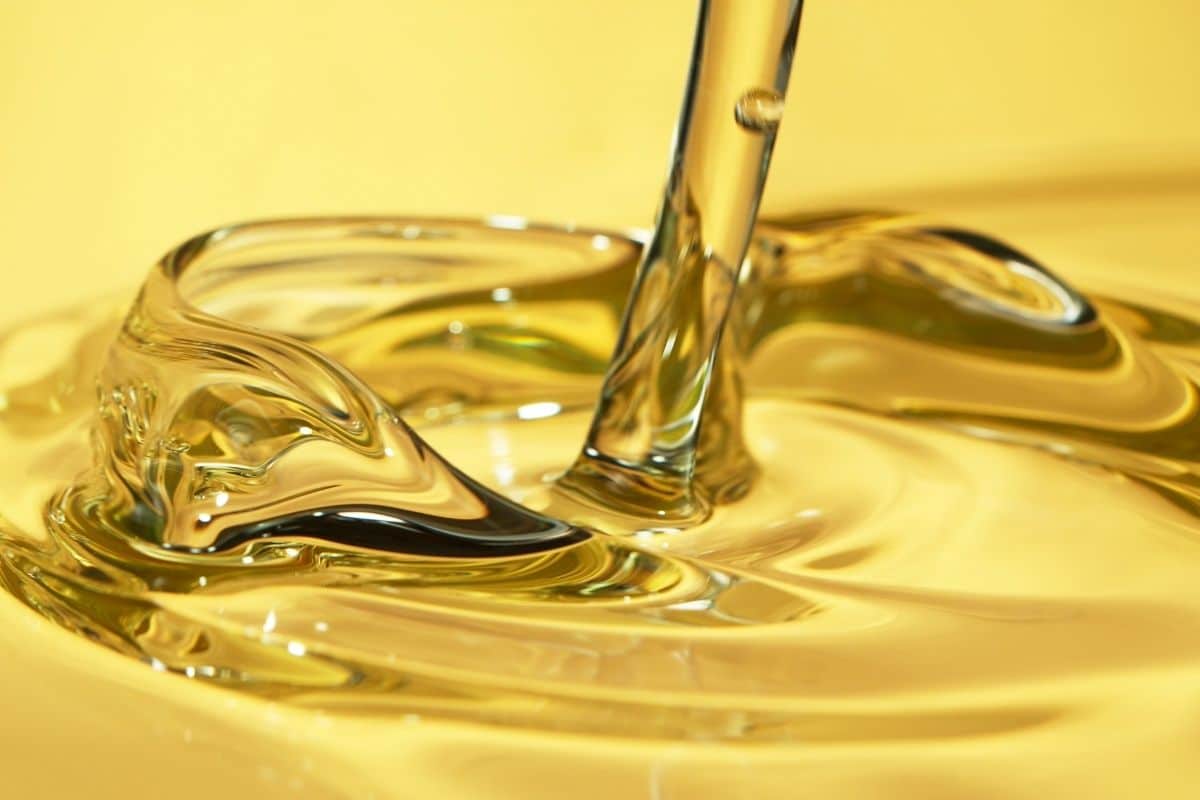
Think back to the sink analogy: Oil is like grease coating the inside of your metabolic drain. Each tablespoon thickens the clog, slowing the flow — until glucose can’t move into your cells the way it should.
This is why you can eat a “healthy” salad and still get a blood sugar spike. It’s not the lettuce. It’s the oil and saturated fat blocking insulin.
And the Good News? You Can Unclog the System
When you remove oil and saturated fat from your diet, your body starts clearing out that internal fat.
Randomized trials have shown that a low-fat vegan diet improves glycemic control, insulin sensitivity, and cardiovascular risk factors more effectively than a conventional diabetes diet.
This isn’t a guess, it’s exactly what metabolic studies have shown for years.
What to Eat Instead
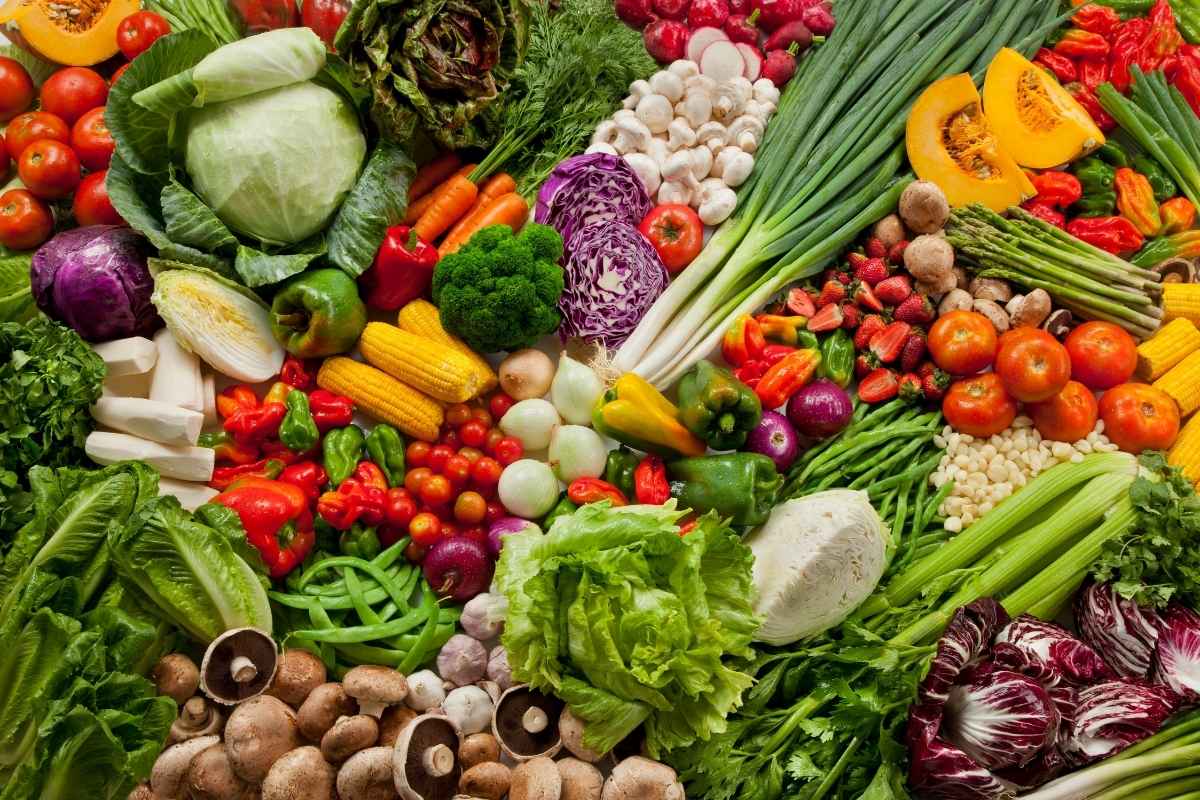
To reverse insulin resistance, you lower fat and raise fiber using whole plants. Build your meals around:
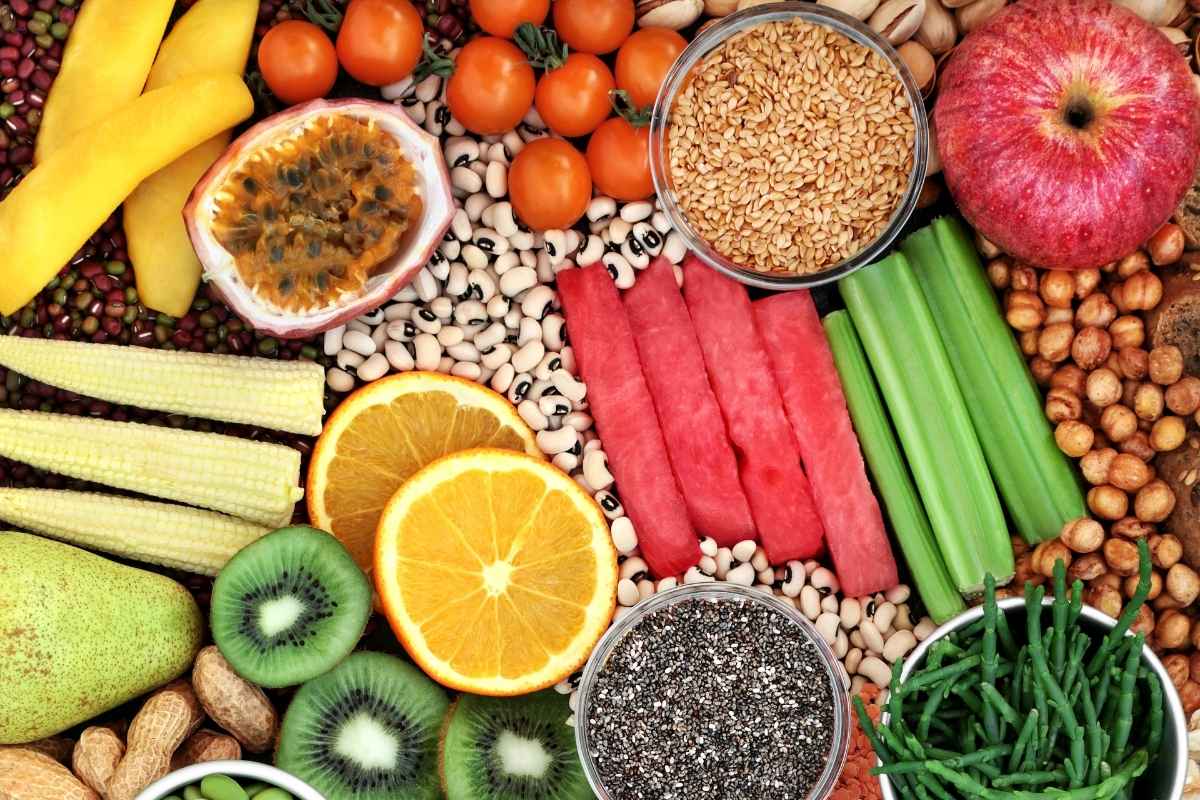
These foods are:
Over time, your body gently clears out the fat inside your liver and muscles. When that fat disappears insulin works again: Your blood sugar comes down. You can eat more carbohydrate, with less medication.
Bringing It All Together
Diabetes isn’t caused by “too much sugar”, it’s caused by insulin resistance.
A low-fat, whole-food, plant-based diet has been clinically shown to:

So if you’ve been blaming bananas and potatoes, it might be time to look at the oil in the pan and the cheese on the plate instead. Your body isn’t broken, it’s just blocked. Remove the block, and your metabolism can do exactly what it was designed to do.
Want Help Getting Started?
Book a free discovery call with one of our advisors today and learn how the Mastering Diabetes Coaching Program can help you reclaim your health.
Lower Your A1c and Fasting Blood Sugar... Guaranteed

Your results are guaranteed. Join more than 10,000 ecstatic members today
Personalized coaching puts you in immediate control of your diabetes health, helps you gain energy, improves your quality of life, and reduces or eliminates your meds.