

If you’re in perimenopause or menopause and your blood sugar suddenly feels unpredictable, stubborn, or completely out of control… you’re not imagining it.
You wake up with higher fasting glucose. Meals that used to feel “safe” now spike you. And it feels like your metabolism changed overnight.
But here’s the truth: Your body didn’t break. Your physiology shifted.
And once you understand what’s actually happening inside your muscle and liver cells during menopause, you can work with your biology — not against it.
Because rising blood sugar during menopause is not caused by carbohydrates. It’s caused by reduced insulin sensitivity, especially in the liver and muscle, and menopause accelerates that process if you don’t adjust your strategy.
The good news? There’s a clear, science-backed path to reversing it.
The Real Issue: A “Clogged System,” Not a Broken One
Let’s simplify this. Think of your cells like sinks.
- Glucose is the water
- Insulin opens the drain
When insulin sensitivity is high, glucose flows easily into cells and gets used for energy.
But when fat builds up inside muscle and liver cells (something that becomes more likely during menopause) the drain gets clogged. Now:
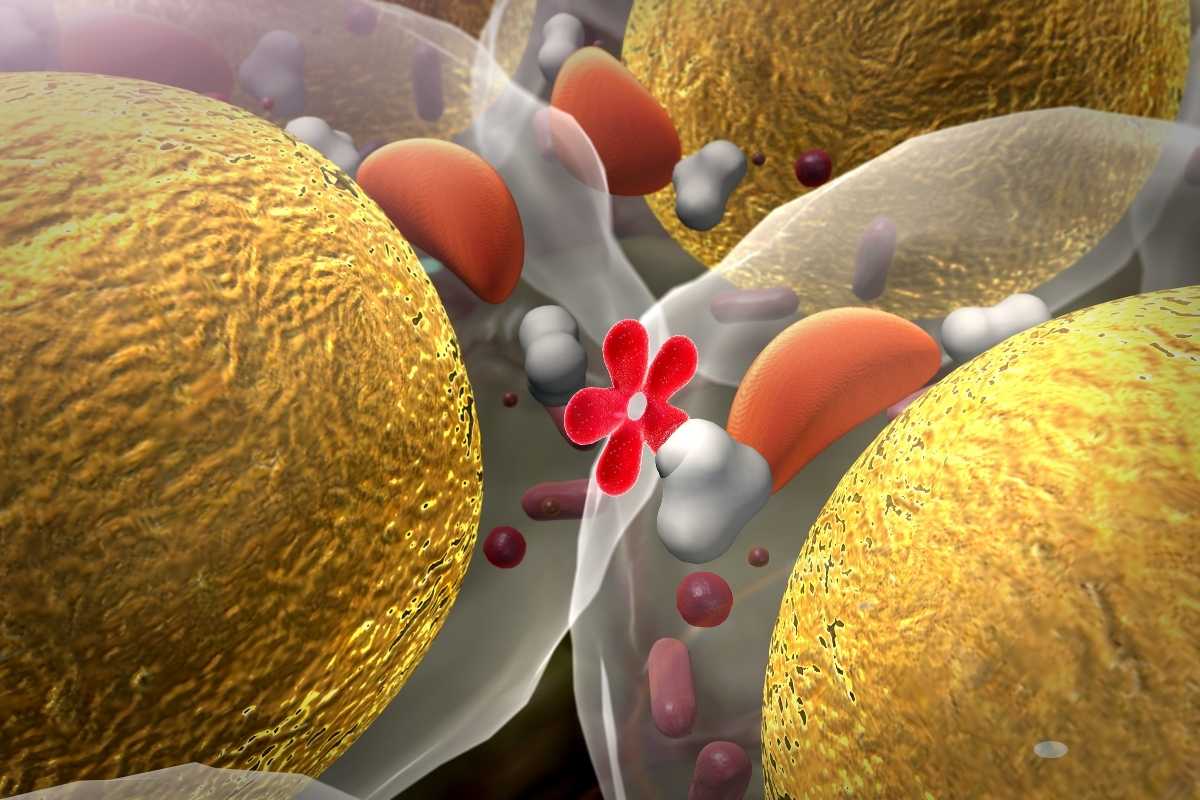
The goal is not to avoid glucose. The goal is to clear the clog. And every strategy below works because it does exactly that.
Step 1: Clear the Clog With Low-Fat, High-Fiber Eating
If you take one thing from this article, take this: Lowering saturated fat while increasing fiber-rich whole foods is one of the fastest ways to restore insulin sensitivity during menopause.
This isn’t theory. A 16-week randomized controlled trial published in JAMA Network Open showed that a low-fat, whole-food, plant-based diet significantly reduced liver fat and intramuscular fat while improving insulin sensitivity — even without calorie restriction.
Here’s the mechanism:
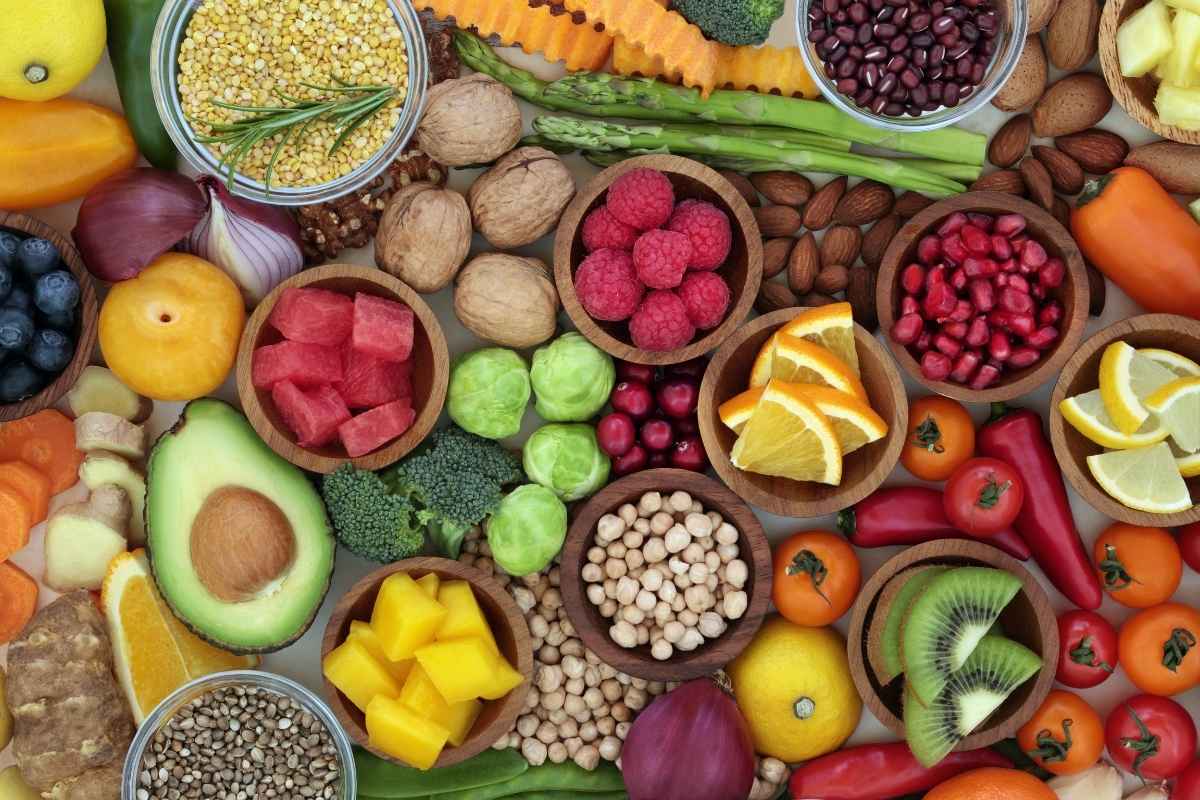
This is why many people inside Mastering Diabetes eat more carbohydrates than ever — and see better blood sugar than ever.
Not because carbs are magic. Because insulin sensitivity is improving.
Step 2: Don’t Skip Meals (Use Food to Calm the Liver)
When blood sugar is high, the instinct is often to skip meals. But during menopause, that can backfire.
When you don’t eat, stress hormones like cortisol and glucagon rise. These hormones signal your liver to release glucose — even if you haven’t eaten anything.
That’s why fasting blood sugar can increase hours after not eating. Instead, use food strategically.
A comprehensive review in The Journal of Nutrition found that higher fiber intake improves insulin sensitivity and lowers fasting insulin — independent of weight loss.

Fiber-rich meals:
Think of it this way: Food isn’t the problem. Used correctly, it’s the signal that calms your liver.
Step 3: Turn Your Muscles Into Glucose Vacuums
One of the most powerful tools during menopause is also one of the simplest: Move after you eat.
A randomized crossover trial published in Diabetes Care found that walking for about 15 minutes after each meal significantly lowered post-meal glucose and improved 24-hour glucose control.
Here’s why it works: When muscles contract, they activate GLUT-4 transporters that pull glucose into muscle cells without insulin.
This is critical during menopause, when insulin signaling is under more strain.

Movement:
Even 10–20 minutes of walking after meals can change your entire glucose pattern.
Step 4: Hydrate to Lower Liver Stress
Hydration is often overlooked, but it directly affects blood sugar. When you’re dehydrated:
A clinical study showed that increasing water intake led to reductions in fasting glucose — even without changes in diet.
This happens because lowering vasopressin reduces the liver’s signal to release glucose.

Hydration doesn’t “fix” blood sugar, but it creates the conditions where everything else works better. Think of it as preparing the battlefield.
Step 5: Calm Your Nervous System to Lower Blood Sugar
Blood sugar is not controlled by food alone. It’s also controlled by stress.
When you’re stressed, cortisol and adrenaline tell your liver to release glucose. During menopause, this response is often amplified.
A randomized clinical study in Frontiers in Physiology found that stress-reduction practices like slow breathing and meditation reduced both fasting glucose and cortisol levels.
This shows something powerful: You can lower blood sugar without changing food, simply by changing your nervous system state.

Simple tools:
Step 6: Align Your Meals With Your Body Clock
Insulin sensitivity follows a daily rhythm. You are most insulin sensitive earlier in the day — and least sensitive at night.
A randomized crossover trial published in Nutrients showed that eating the same meal earlier versus later resulted in:
Why? At night:
Eating earlier aligns your metabolism with your biology.

A simple shift: Finish dinner 2–3 hours before bed. This gives your body time to:
Step 7: Follow the Trend, Not the Spike
One high reading doesn’t define your progress. Fasting glucose is a trend marker.
When fasting numbers improve over weeks, it means:
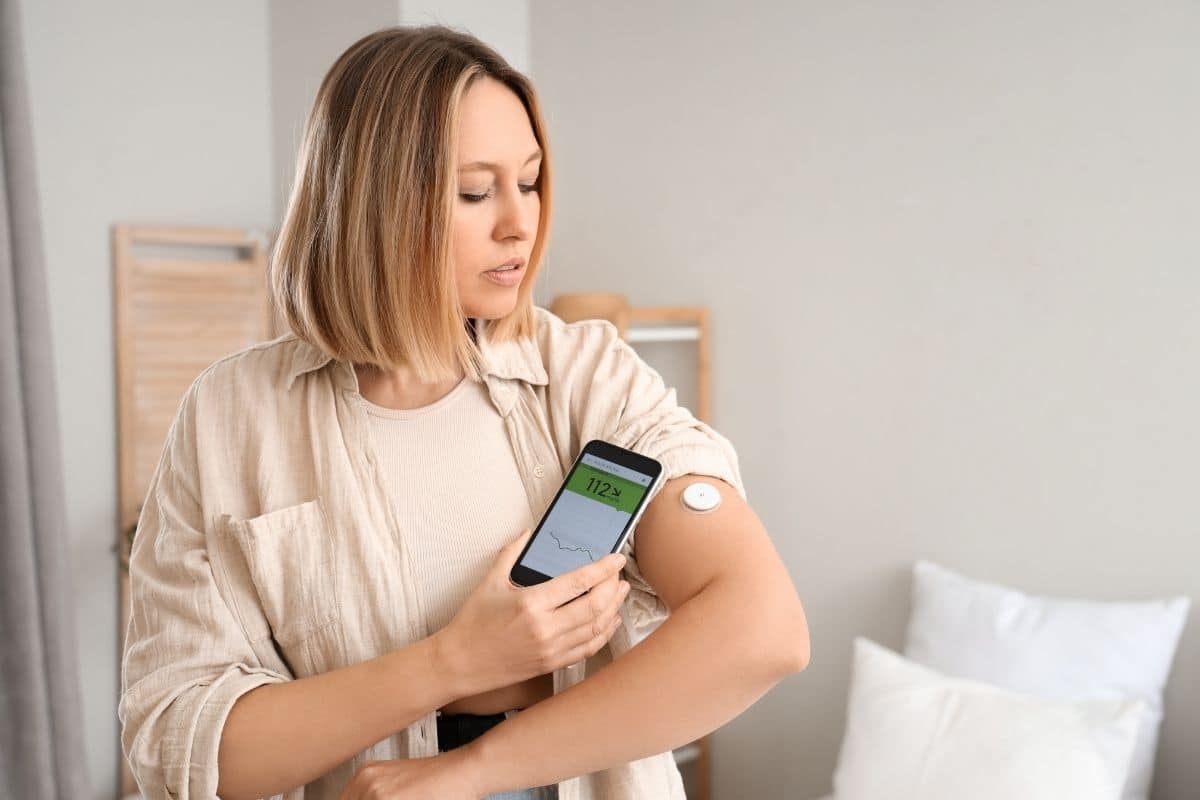
Track consistently — without judgment.
Because as insulin sensitivity improves, something powerful happens: Foods that once spiked you… stop doing so.
That’s how you know the root cause is being addressed.
The Big Picture
Menopause does not doom you to high blood sugar.
The real issue is not carbohydrates. It’s fat inside your cells interfering with insulin signaling.
Every one of these strategies works for the same reason: They improve insulin sensitivity.
This is not about hacks. This is about restoring normal physiology.
Where to Start This Week
Start simple:
You don’t need perfection. You need consistency.
Want to Learn the Full Step-by-Step Plan?
If you want meals, recipes, and a structured plan designed specifically for menopause and insulin resistance, book a free discovery call with one of our advisors today and learn how the Mastering Diabetes Coaching Program can help you reclaim your health.
Lower Your A1c and Fasting Blood Sugar... Guaranteed
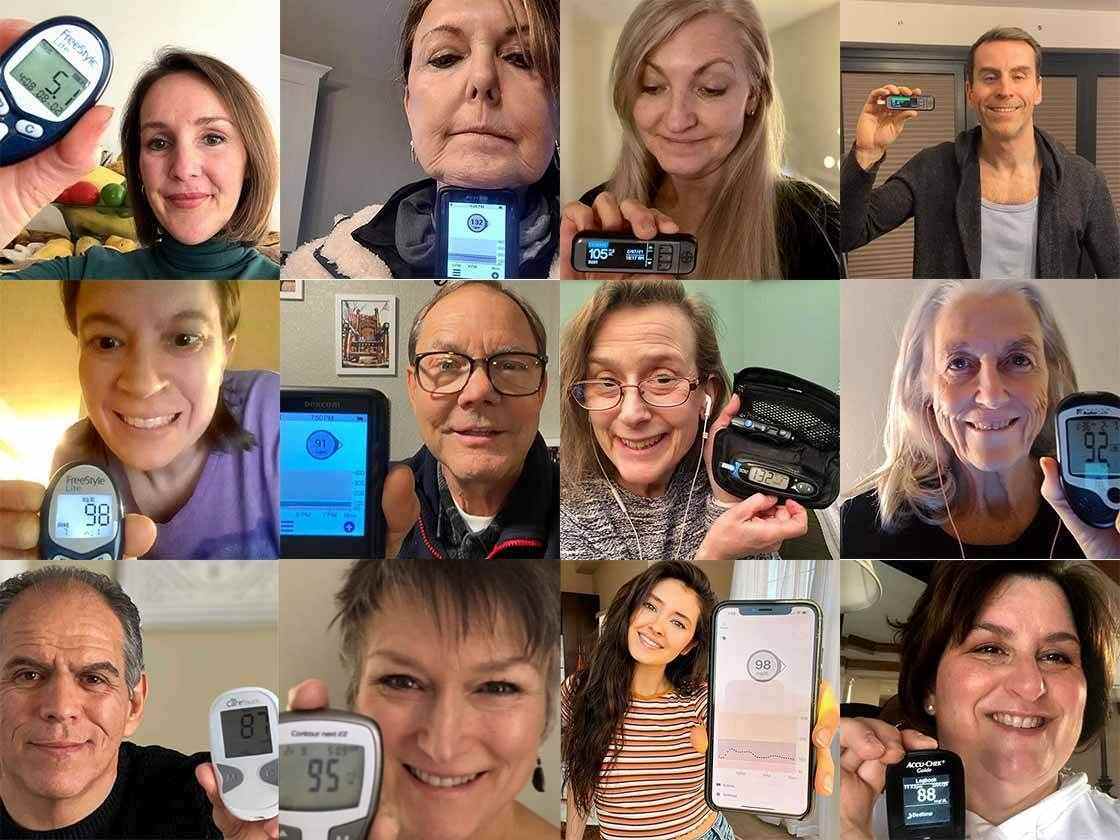
Your results are guaranteed. Join more than 10,000 ecstatic members today
Personalized coaching puts you in immediate control of your diabetes health, helps you gain energy, improves your quality of life, and reduces or eliminates your meds.