
If you’ve been told that carbohydrates are the reason your fasting blood sugar is high, it’s time to rethink the entire model, because here’s what most people never hear: Carbohydrates don’t drive fasting blood sugar. Insulin resistance does.
More specifically, it’s how much insulin your body has to release just to manage those carbohydrates, and that distinction changes everything.
The goal is not to suppress insulin by avoiding carbs, it is to make your body so insulin sensitive that it only needs normal, physiological amounts of insulin to manage the carbohydrates you eat.
That’s the difference between managing numbers — and reversing the pathophysiology. Let’s break down exactly how to do that.
First: Insulin Is Not the Problem
Insulin has been misunderstood. It’s not the villain, it’s one of the most important hormones in your body.
Its job is simple: Move glucose from your bloodstream into your cells so it can be used for energy.
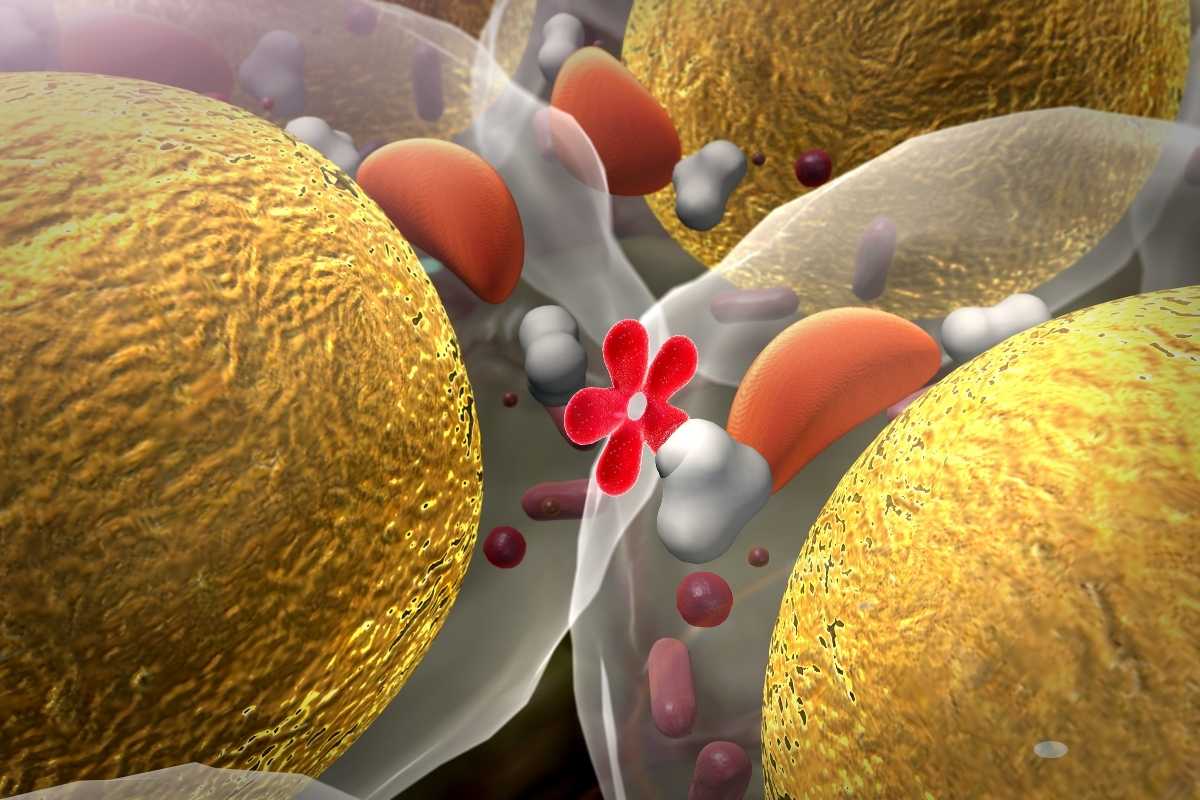
Think of insulin as the key, and your cells as the lock. When the lock works properly, a small amount of insulin opens the door easily. But when insulin resistance develops, that lock becomes jammed. Now the pancreas has to release more and more insulin just to force glucose into the cell. That’s where the real problem begins.
Chronically elevated insulin levels are associated with:
But here’s the key insight: High insulin is not the cause. It’s the compensation. So the goal is not to keep insulin low by avoiding carbohydrates, it’s to restore insulin sensitivity so insulin can work efficiently again.
Carb Hack #1: The “Pancreas Reset” (Restore Glucose Tolerance)
This is the foundation. Because without improving insulin sensitivity, none of the other strategies work long term.
Many people assume that lower insulin always equals better health. But lowering insulin by removing carbohydrates is not the same as improving metabolism.
The real question is: What happens when carbohydrates come back?

A study published in The Journal of the Endocrine Society examined how people respond to a glucose challenge after following a low-carbohydrate diet. The results were clear: After a period of low-carb intake, participants became less tolerant to glucose.
When carbohydrates were reintroduced:
Why? Because the body had downregulated its ability to handle glucose.
GLUT-4 transporters became less responsive. Muscle cells relied more on fat metabolism. Glucose-handling pathways became deconditioned.
So when carbohydrates returned, the pancreas had to over-secrete insulin to compensate. That’s not metabolic health. That’s metabolic fragility.
Now contrast that with improved insulin sensitivity. When muscle and liver cells respond properly to insulin:
This is what we mean by a “pancreas reset.” Not fixing the pancreas. Removing the need for it to overwork.
Carb Hack #2: Resistance Training (Turn Muscle Into a Glucose Sink)
Your muscles are responsible for roughly 70–80% of glucose disposal after a meal. So when muscle is insulin resistant, glucose has nowhere to go.
It stays in your bloodstream and insulin rises to compensate. Resistance training directly fixes this.

A review published in BMJ Open analyzed multiple trials and found that resistance training significantly improves insulin sensitivity, even without weight loss.
Here’s what’s happening at the cellular level:
The result? Muscle becomes highly insulin sensitive. And that effect can last 24 to 72 hours after a single session.
This is why resistance training lowers fasting insulin — not just post-meal glucose. It gives glucose somewhere to go. And when glucose is handled properly, insulin doesn’t need to rise.
Carb Hack #3: Build a “Fiber Barrier”
Fiber is one of the most powerful tools for lowering insulin demand. But not for the reason most people think. Fiber doesn’t “block carbs.” It changes how your body processes them.
When carbohydrates are eaten with fiber:
But the deeper effect happens in the gut.
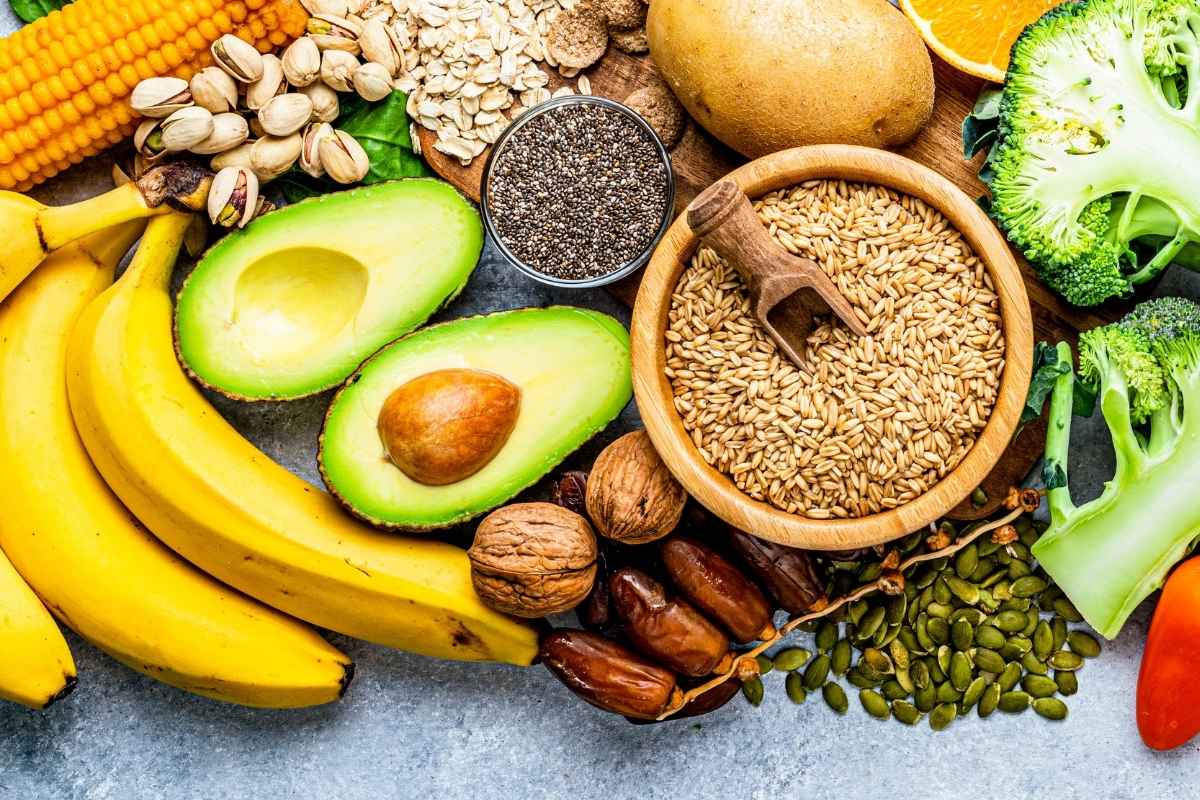
A review in Nutrition & Metabolism showed that higher fiber intake improves insulin sensitivity and reduces insulin response — even with high carbohydrate intake:
Here’s why. Fiber feeds gut bacteria, which produce short-chain fatty acids like butyrate and propionate. These compounds:
In other words: Fiber makes insulin work better. So your body needs less of it.
This is why high-carbohydrate, fiber-rich diets historically produced:
The issue was never carbohydrates. It was low fiber plus high fat.
Carb Hack #4: The 10% Fat Rule (Clear the Cellular Blockage)
This is often the hardest concept, but the most important.
Dietary fat, especially saturated fat, directly impairs insulin signaling. Not over years, but measurably.
When fat intake is high, fat accumulates inside muscle and liver cells. This blocks insulin signaling. Glucose transport slows, and insulin has to rise to compensate.
A randomized trial published in JAMA Network Open demonstrated that a low-fat, whole-food, plant-based diet improved insulin sensitivity and reduced insulin levels — even with higher carbohydrate intake.
The key mechanism: As dietary fat decreases, intracellular fat begins to clear. And when that happens:
This is the vicious cycle — in reverse.
This is why we recommend roughly 10% of calories from fat during reversal. Not for weight loss. For cellular function.
Carb Hack #5: Align With Your Circadian Rhythm
Insulin sensitivity is not constant. It follows a daily rhythm. You are more insulin sensitive earlier in the day. Less sensitive at night.
A review published in Nutrients examined how meal timing affects glucose metabolism. The findings were consistent, eating earlier led to:

Eating later did the opposite. Why? At night:
So a late dinner creates the perfect environment for high fasting glucose. A simple shift, like eating dinner earlier (around 6–7 pm), gives your body time to:
This is not about restriction. It’s about timing metabolism when your body works best.
What This Food Combination Is Doing Inside Your Body
When you eat this meal, multiple systems activate at once.
The low-fat structure allows insulin to function efficiently.
This is not just “healthy eating.” This is metabolic engineering.
You’re not forcing blood sugar down. You’re restoring the conditions where it stabilizes naturally.
The Big Picture
All five of these strategies work for the same reason: They reduce how much insulin your body needs. Not by avoiding carbohydrates. Not by suppressing insulin. But by restoring insulin sensitivity.
When that happens:
That’s real metabolic health: Lower fasting insulin. Lower fasting blood sugar. Better carbohydrate tolerance.
This is not about control. It’s about reversal.
Where to Start
You don’t need to do everything at once. Start here:
Because when insulin works again, everything else follows.
Want to Learn the Full Step-by-Step Plan?
If you want the exact meals, recipes, and protocols we use to help people lower fasting blood sugar while eating carbohydrates every day, book a free discovery call with one of our advisors today and learn how the Mastering Diabetes Coaching Program can help you reclaim your health.
Lower Your A1c and Fasting Blood Sugar... Guaranteed

Your results are guaranteed. Join more than 10,000 ecstatic members today
Personalized coaching puts you in immediate control of your diabetes health, helps you gain energy, improves your quality of life, and reduces or eliminates your meds.