

What if lowering your blood sugar didn’t come down to one “superfood”… or cutting out carbohydrates entirely? What if the real solution was something far more powerful, and far more overlooked?
A specific combination of whole foods that works together to improve insulin sensitivity at the root cause. Because blood sugar isn’t controlled by a single ingredient, it’s controlled by how your body processes glucose. And that process depends on one thing: Insulin sensitivity.
When insulin sensitivity is high, glucose flows easily into your cells.
When insulin resistance is present, glucose gets stuck in your bloodstream — even if you’re eating “healthy.” That’s why focusing on individual foods misses the point.
Blood sugar improves when multiple metabolic systems are working together. And that’s exactly what the right food combination does.
Why Food Combinations Matter More Than Single Foods
Insulin is the signal that tells your cells: “Open up; glucose is ready to come in.” When your cells are insulin sensitive, that signal works effortlessly.
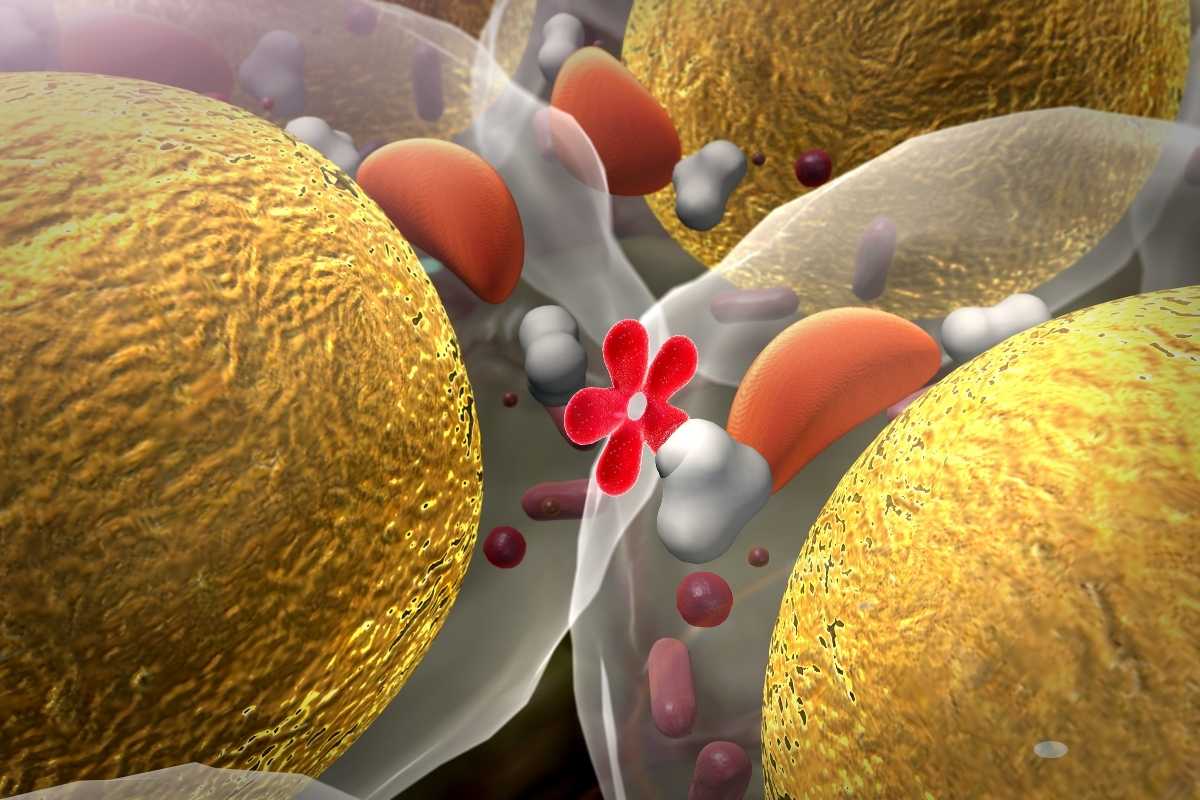
But when fat accumulates inside muscle and liver cells, insulin signaling becomes impaired.
The message is sent, but the cell doesn’t respond, and glucose stays in the bloodstream. This is insulin resistance.
And it explains something most people misunderstand: Blood sugar is not just about what you eat, it’s about how your body responds to what you eat.
When meals are structured correctly, they influence three critical systems at once:
That’s why food combinations are so powerful. They don’t just change your diet. They change your physiology.
Step 1: The Slow-Burning Carbohydrate Anchor
Let’s start with the foundation: buckwheat.
Despite its name, buckwheat is not wheat. It’s a seed — and metabolically, it behaves very differently from refined carbohydrates.
Most people who say “carbs spike my blood sugar” are reacting to processed carbs: foods that have been stripped of fiber and structure.
Buckwheat is the opposite. In its intact form, it contains:
This structure slows digestion and creates a gradual release of glucose into the bloodstream.
That’s the key difference. Not “low carb.” Not portion control. Digestion speed.
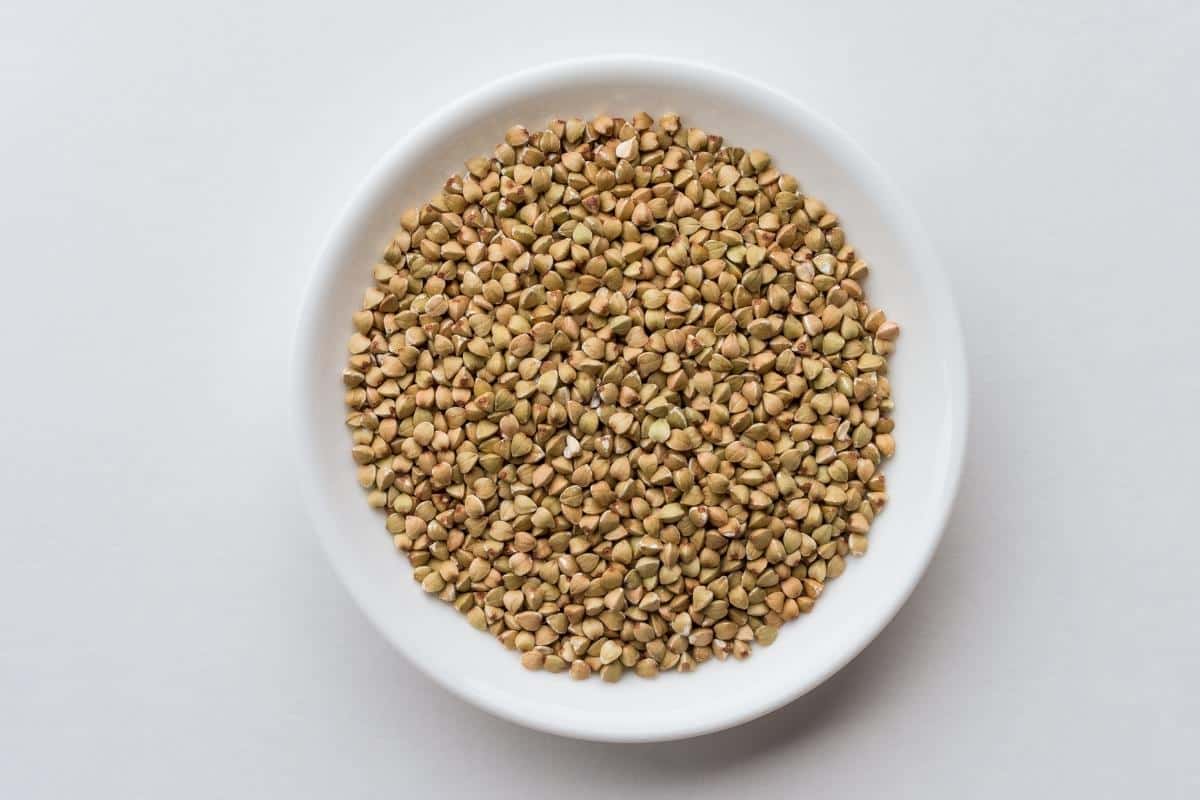
A comprehensive review published in Nutrients found that buckwheat consumption is associated with improved insulin sensitivity, lower fasting glucose, and better glycemic control.
Buckwheat also contains compounds like rutin, which reduce oxidative stress — a major contributor to impaired insulin signaling.
So even though buckwheat is a carbohydrate, it behaves very differently from refined carbs. It doesn’t overwhelm your system, it works with it.
Step 2: The Fiber Layer That Controls the Spike
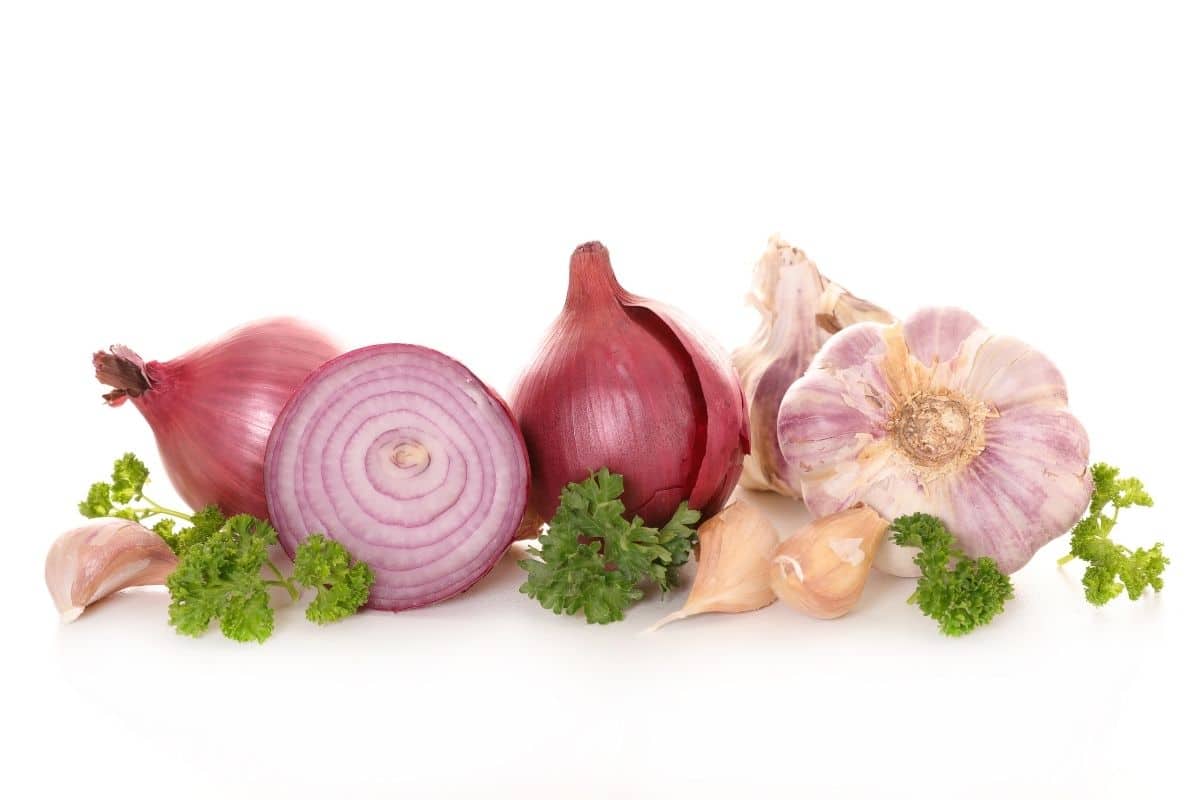
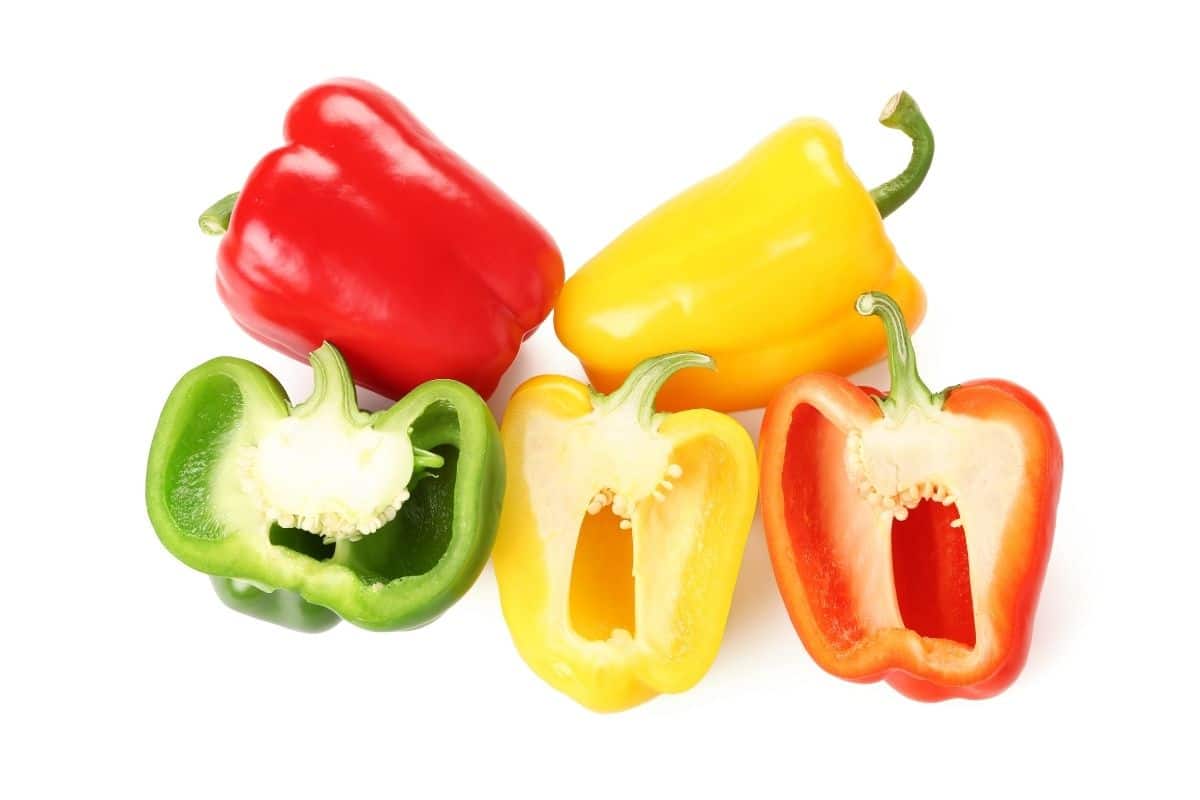
Next comes the fiber-rich vegetables: onions, bell peppers, zucchini, and garlic.
These aren’t just for flavor, they are metabolic regulators.
Fiber slows the rate at which glucose enters your bloodstream. Instead of a rapid spike, you get:
This gives insulin time to do its job.
But fiber does more than slow digestion, it also improves insulin signaling at the cellular level.
These vegetables contain polyphenols and antioxidants that reduce oxidative stress — one of the key drivers of insulin resistance.
A 2022 review in Frontiers in Nutrition found that higher fiber intake improves insulin sensitivity, reduces post-meal glucose spikes, and lowers inflammation.
Importantly, these improvements occurred without calorie restriction or weight loss. This tells us something critical: The benefit isn’t about eating less. It’s about changing how your body processes glucose.
Step 3: Roasting Without Oil (Why This Matters More Than You Think)
Most people roast vegetables with oil. But even small amounts of added fat (especially saturated fat) can temporarily impair insulin signaling.
When fat enters muscle cells, it interferes with insulin’s ability to move glucose into the cell. This creates a temporary state of insulin resistance. That’s why this meal keeps fat low.
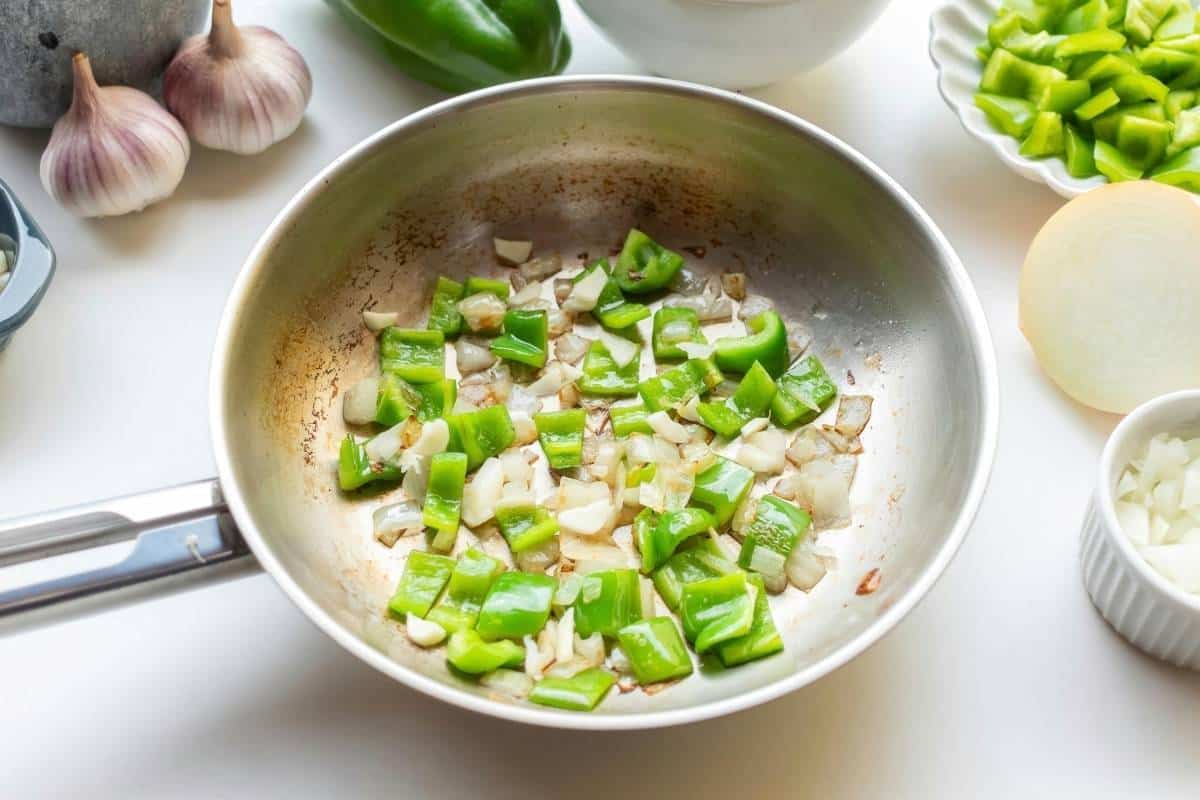
Flavor comes from:
This is not about calories. It’s about allowing insulin to function properly.
Step 4: The Protein + Fiber Combination That Flattens Spikes
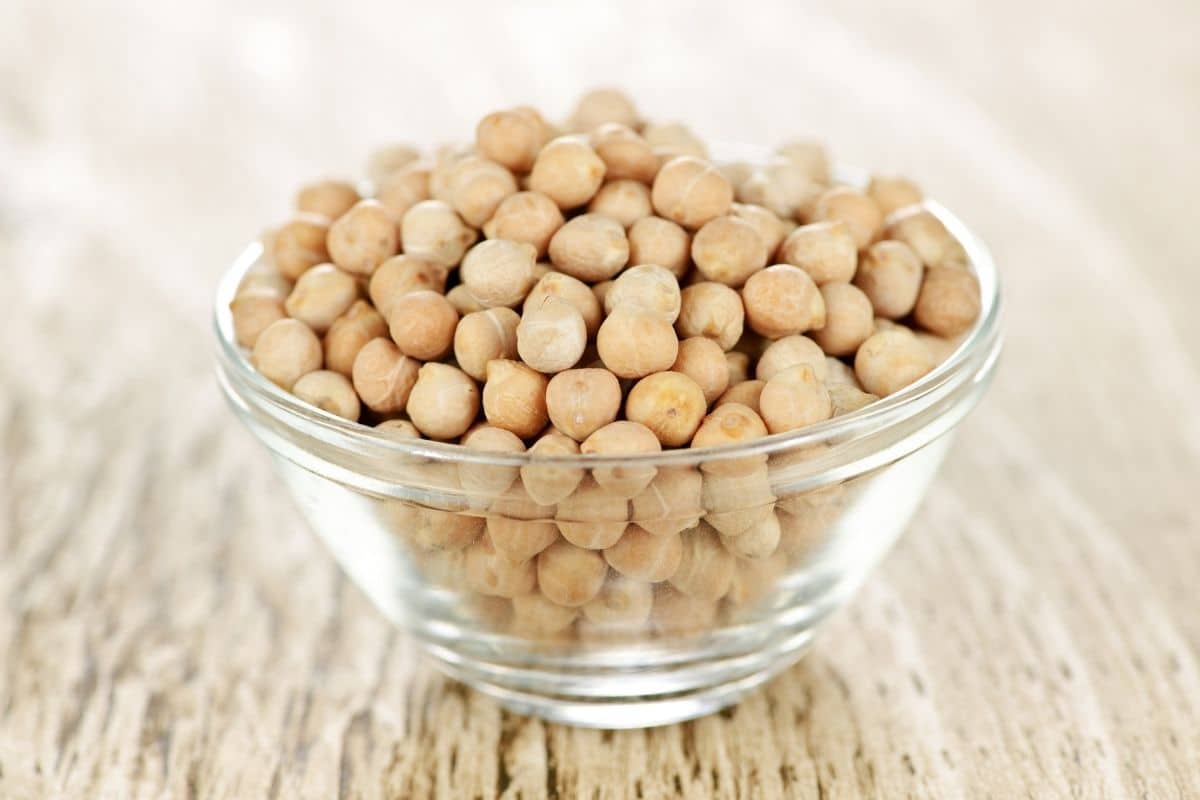
Now we add one of the most misunderstood foods in diabetes nutrition: Chickpeas.
Many people are afraid of beans. And if beans spike your blood sugar right now, that doesn’t mean beans are harmful. It means insulin resistance is present. Beans don’t cause the problem, they reveal it.
But here’s what most people don’t realize: When insulin sensitivity improves, beans become one of the most stabilizing foods you can eat.
Chickpeas are rich in:
This combination slows digestion and improves glucose control.
A controlled study published in Nutrients found that legume consumption significantly reduced post-meal glucose levels and improved metabolic responses.
Even more interesting, legumes produce a second-meal effect — improving glucose control at the next meal as well.
This happens because fiber in legumes feeds gut bacteria, which produce short-chain fatty acids. These compounds:
Your muscles are the largest glucose sink in your body. When they become more insulin sensitive, glucose is cleared more efficiently. This is how blood sugar stabilizes over time.
Step 5: Acid and Herbs That Fine-Tune Blood Sugar
Finally, we add vinegar and herbs. This might seem minor — but it has measurable effects.
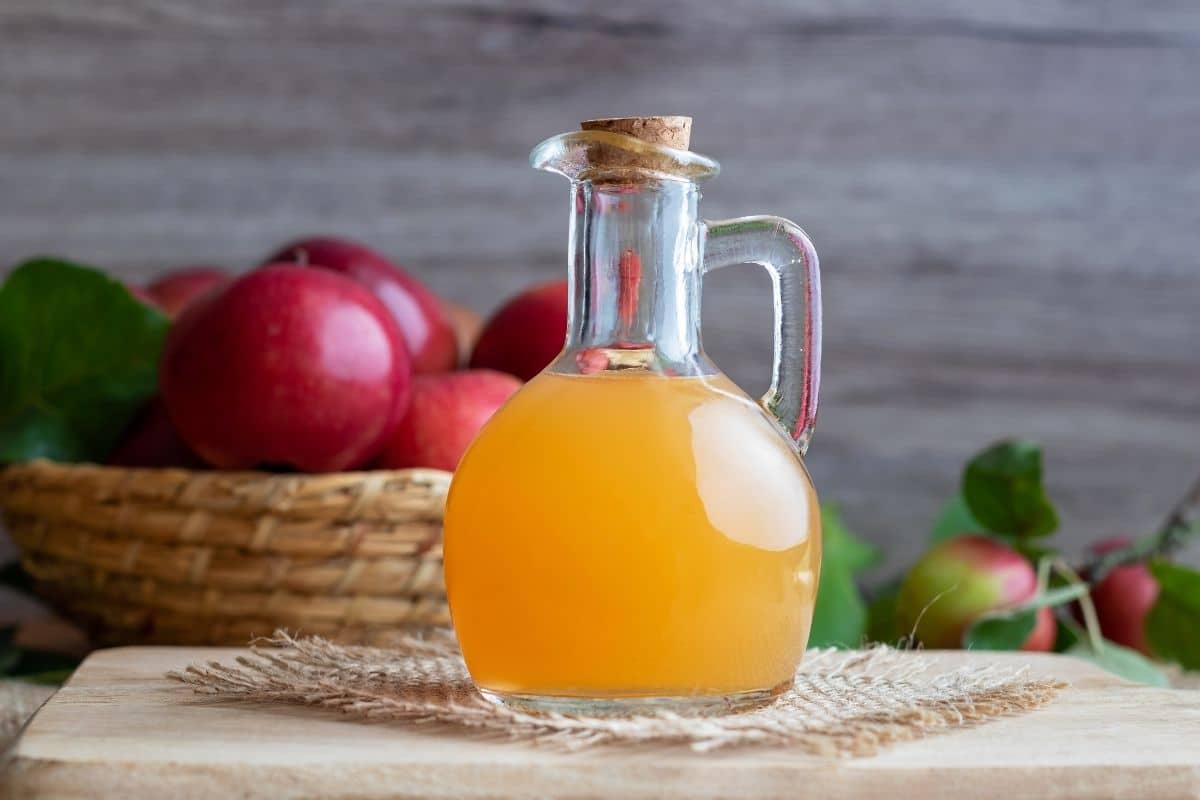
Acidic foods like vinegar have been shown to:
Parsley adds antioxidants without adding fat. This final layer enhances the metabolic effect of the entire meal.
What This Food Combination Is Doing Inside Your Body
When you eat this meal, multiple systems activate at once.
The low-fat structure allows insulin to function efficiently.
This is not just “healthy eating.” This is metabolic engineering.
You’re not forcing blood sugar down. You’re restoring the conditions where it stabilizes naturally.
Try This Simple Experiment
Eat this exact meal for three days in a row. Track your glucose:
Most people notice:
That’s not willpower. That’s improved insulin sensitivity. And as insulin sensitivity improves, something powerful happens. You can:
Not because you restricted harder. But because you fixed the underlying mechanism.
The Bigger Picture: This Is About Physiology, Not Restriction
Most approaches to diabetes focus on managing symptoms. Avoid the spike. Cut the carbs. Control the number.
But this approach is different: It focuses on restoring insulin sensitivity.
When insulin works properly:
That’s the difference between managing diabetes and reversing insulin resistance.
Want to Learn the Full Step-by-Step Plan?
If you want to learn how to combine foods, movement, and daily habits to restore insulin sensitivity and lower blood sugar naturally, book a free discovery call with one of our advisors today and learn how the Mastering Diabetes Coaching Program can help you reclaim your health.
Lower Your A1c and Fasting Blood Sugar... Guaranteed
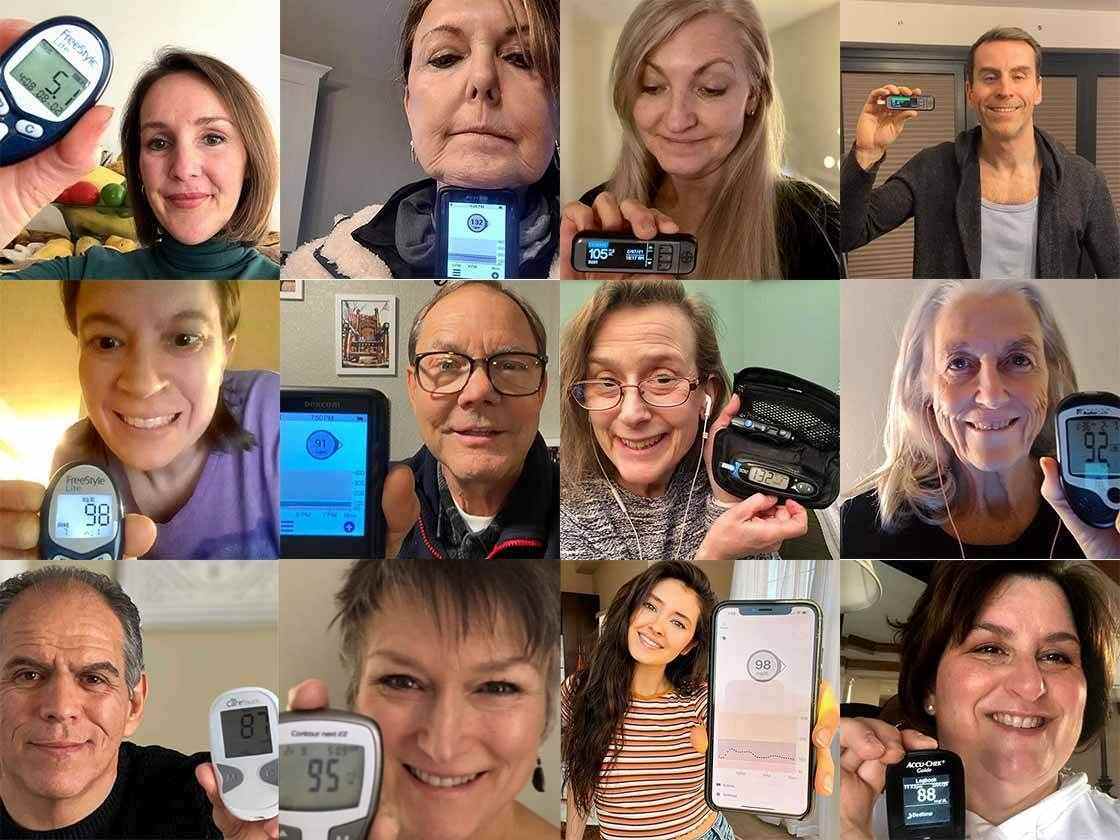
Your results are guaranteed. Join more than 10,000 ecstatic members today
Personalized coaching puts you in immediate control of your diabetes health, helps you gain energy, improves your quality of life, and reduces or eliminates your meds.