
Have you seen the headlines about the new U.S. Dietary Guidelines? There has been a lot of excitement — and a lot of confusion.
Some commentators are celebrating because the messaging around fat appears to be shifting. Headlines suggest that foods like butter, full-fat dairy, and fatty cuts of red meat are making a comeback.
You’ve probably seen phrases like:
At first glance, that narrative sounds appealing. It pushes back against ultra-processed foods and emphasizes “real food.”
But when you examine the metabolic science (especially the science of insulin resistance) a very different picture emerges.
If your goal is to improve blood sugar control or reverse insulin resistance, promoting higher intake of saturated fat moves physiology in the wrong direction. And the reason becomes clear when you look inside the liver and muscle cells where insulin signaling actually occurs.
The Core Problem: Insulin Resistance, Not Carbohydrates
Before discussing dietary guidelines, it helps to clarify the root cause of high blood sugar.
Blood sugar rises when insulin cannot effectively move glucose out of the bloodstream and into cells. Insulin acts like a key. Cells act like locks.
When the lock works properly, glucose flows easily into muscle and liver cells and blood sugar remains stable.
But when fat accumulates inside those cells, the lock becomes jammed. Insulin is present, but its signal is weakened.
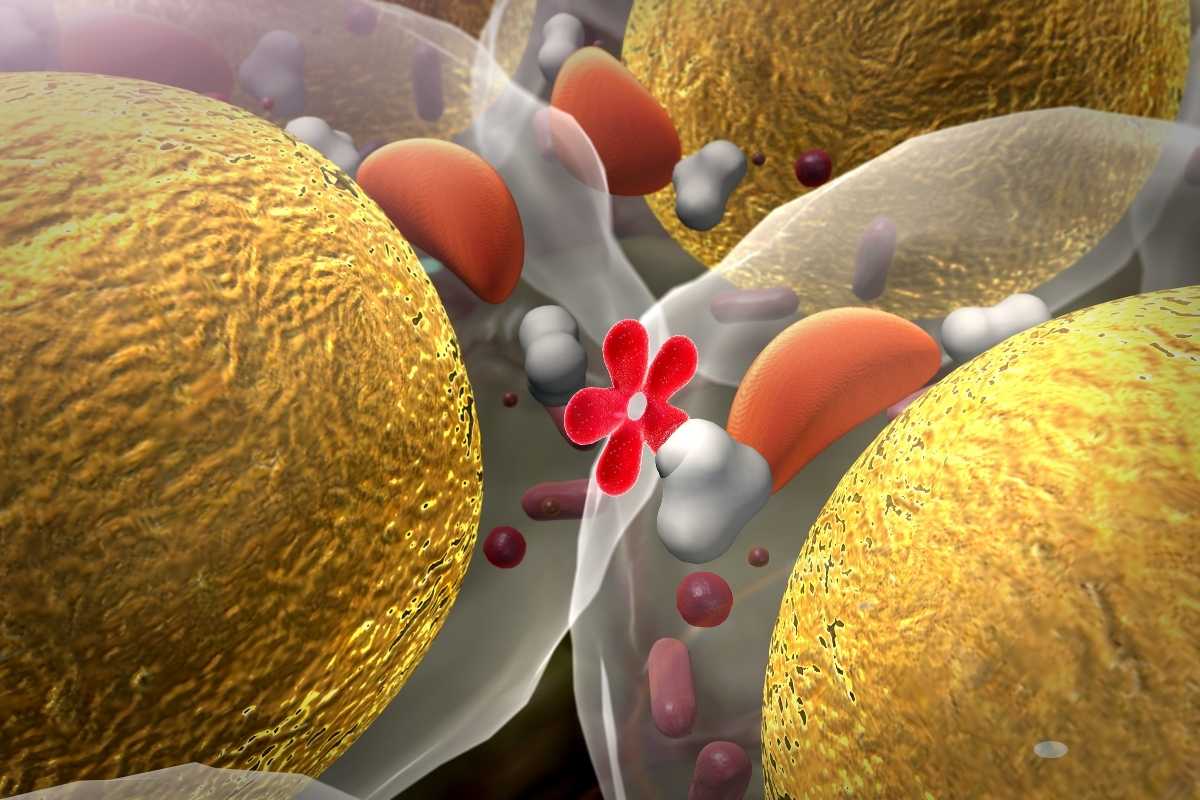
This is insulin resistance. Over time, insulin resistance leads to elevated fasting glucose, exaggerated post-meal spikes, and eventually type 2 diabetes.
Understanding this mechanism is essential, because different nutrients affect insulin sensitivity in very different ways.
What the New Dietary Messaging Gets Wrong
The current dietary messaging encourages higher intake of foods like:
At the same time, the same guidelines still recommend limiting saturated fat intake to no more than 10% of daily calories. This creates a fundamental contradiction.
On a 2,000-calorie diet, that limit equals about 22 grams of saturated fat per day.
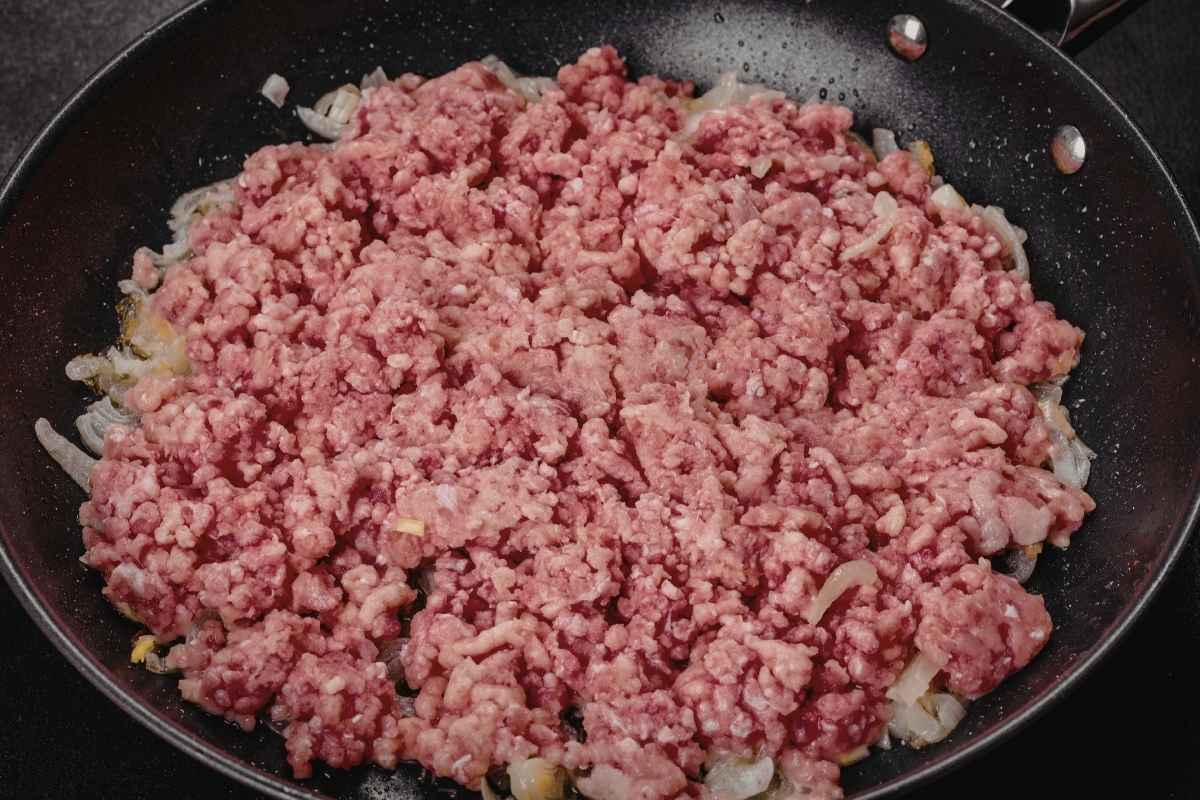
Now consider how quickly that amount can be exceeded:
In just a few foods, the daily limit has already been exceeded — before accounting for cheese, yogurt, sauces, or other sources of saturated fat.
This is where physiology becomes important. Because saturated fat is not simply a cholesterol issue. For people with insulin resistance, it is a blood sugar issue first.
The Liver Fat Study That Changed How We Understand Diabetes
One of the clearest demonstrations of this comes from a controlled feeding study published in Diabetes Care.
In this study, researchers overfed participants different types of calories for several weeks while carefully monitoring metabolic changes.
The goal was simple: determine how different types of nutrients influence fat accumulation inside the liver. Participants were divided into three groups:

Importantly, body weight increased similarly across groups.
This study was not testing the effects of weight gain, it was testing what happens inside the body when the type of calories changes.
The results were striking.
The group consuming excess saturated fat accumulated dramatically more liver fat than the other groups.
Alongside this liver fat accumulation, researchers observed increases in molecules called ceramides.
Ceramides actively interfere with insulin signaling. Specifically, they block insulin’s ability to suppress glucose production in the liver. This has a direct effect on fasting blood sugar.
When insulin cannot suppress glucose production, the liver continues releasing glucose into the bloodstream overnight.
This is why many people wake up with high blood sugar despite not eating for hours. The problem is not the carbohydrates eaten the previous day. The problem is a liver that has become resistant to insulin because it is overloaded with fat.
Liver Insulin Resistance Drives Morning Blood Sugar
The liver plays a central role in regulating blood glucose.
Throughout the night, the liver releases small amounts of glucose to maintain a stable energy supply for the brain and other tissues.
Under normal conditions, insulin suppresses excessive glucose release. But when liver cells accumulate fat, insulin signaling becomes impaired.
The signal that normally says “stop releasing glucose” is ignored. As a result:

This is known as hepatic insulin resistance. And it is one of the earliest metabolic changes that leads to type 2 diabetes.
The liver fat study demonstrates that saturated fat plays a powerful role in driving this process.
Saturated Fat Can Reduce Insulin Sensitivity — Even Without Weight Gain
A second controlled human trial provides additional evidence.
In this study, researchers compared metabolic outcomes in people consuming diets high in saturated fat versus other dietary patterns.
Even when body weight remained stable, the high-saturated-fat diet significantly reduced insulin sensitivity.

This finding is critical: It demonstrates that insulin resistance is not only about weight gain or calorie intake. The type of fat consumed influences where fat accumulates in the body.
When saturated fat accumulates in muscle and liver cells, insulin signaling becomes impaired — regardless of body weight.
This explains why some people can follow high-fat diets, maintain body weight, and still experience worsening blood sugar control.
The metabolic issue is not the scale. It is intracellular fat accumulation.
The Chain Reaction That Leads to High Blood Sugar
When we put these findings together, a clear pattern emerges: Higher saturated fat intake promotes liver fat accumulation. Liver fat accumulation promotes hepatic insulin resistance. Hepatic insulin resistance leads to excessive glucose release from the liver. And that process drives elevated fasting blood sugar.
This sequence explains why diets high in foods like butter, cheese, fatty meats, and full-fat dairy frequently stall efforts to lower blood sugar — even when carbohydrate intake is reduced.

It also explains why people following very low-carbohydrate diets sometimes continue to experience high fasting glucose.
Carbohydrates are not the only factor influencing blood sugar. Insulin sensitivity determines how glucose is handled once it enters the bloodstream.
Why Lowering Saturated Fat Improves Insulin Sensitivity
At Mastering Diabetes, the focus is not on eliminating fat entirely. The focus is on where fat goes inside the body.
When saturated fat intake is reduced and replaced with fiber-rich whole plant foods, something remarkable begins to happen.
Fat stored inside muscle and liver cells gradually declines. As intracellular fat decreases, insulin signaling begins to recover.
Glucose transporters respond more effectively. Muscle cells become more capable of pulling glucose from the bloodstream. The liver becomes more responsive to insulin and releases less glucose overnight.
As insulin sensitivity improves, many people experience:
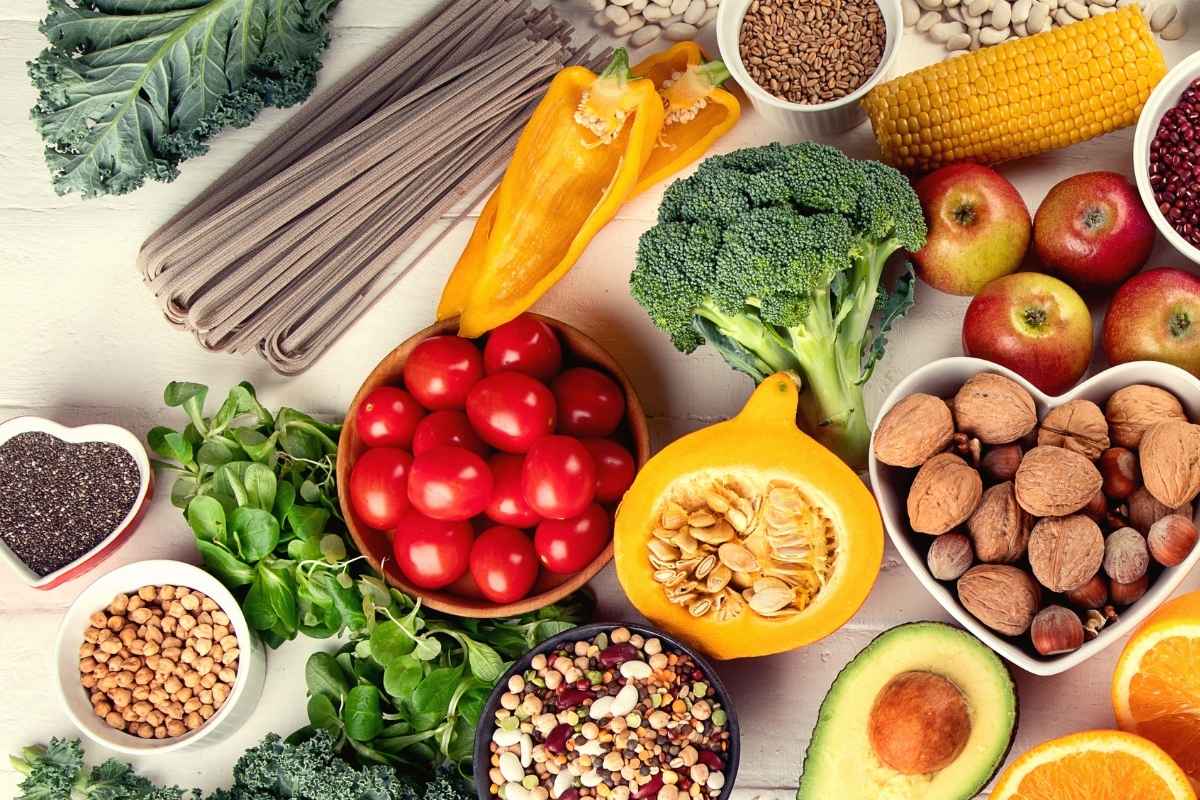
Foods that once caused dramatic blood sugar spikes (like fruit, potatoes, rice, and beans) begin to behave very differently.
Not because carbohydrates are magical. But because insulin is finally working again.
Why Dietary Policy Often Misses the Root Cause
National dietary guidelines are designed to address population-wide nutrition patterns.
They focus on nutrient ranges, food groups, and general health outcomes. But they rarely address the cellular mechanisms underlying metabolic disease.
They do not explain:
Without understanding these mechanisms, it is easy to misinterpret which foods support metabolic health.
This is why dietary recommendations often appear contradictory when viewed through the lens of insulin resistance.
The Bigger Picture: Addressing the Root Cause of High Blood Sugar
Reversing insulin resistance requires more than adjusting nutrient percentages. It requires improving the metabolic environment inside your cells.
Research consistently shows that diets built around:
Improve insulin sensitivity and reduce liver fat accumulation.
When this happens, glucose regulation improves naturally. Fasting blood sugar declines.
Post-meal spikes become smaller. Energy becomes more stable.
These improvements occur not because carbohydrates are restricted, but because the body regains its ability to use them efficiently.
A Different Way to Think About Blood Sugar
The conversation around dietary guidelines often becomes polarized: Fat versus carbohydrates. Animal foods versus plant foods. One nutrient versus another. But physiology tells a more nuanced story.
Blood sugar control depends largely on insulin sensitivity, and insulin sensitivity depends on what is happening inside muscle and liver cells.
When those cells are overloaded with fat, insulin signaling struggles. When that fat is reduced, insulin begins to function normally again.
This is why addressing intracellular fat, especially from saturated fat intake, is such a powerful lever for improving metabolic health.
Want to Learn the Full Strategy for Restoring Insulin Sensitivity?
If you want to understand the full science behind insulin resistance, and learn exactly how to structure meals that improve blood sugar control, book a free discovery call with one of our advisors today and learn how the Mastering Diabetes Coaching Program can help you reclaim your health.
Lower Your A1c and Fasting Blood Sugar... Guaranteed

Your results are guaranteed. Join more than 10,000 ecstatic members today
Personalized coaching puts you in immediate control of your diabetes health, helps you gain energy, improves your quality of life, and reduces or eliminates your meds.