


If you want to lower your blood sugar after a meal, not just eventually, but right now, in real time, what you do in the first 15 to 30 minutes after eating matters more than most people realize.
Because once you eat carbohydrates, glucose enters your bloodstream quickly. And if that glucose isn’t cleared efficiently, it lingers — raising post-meal spikes and contributing to higher fasting blood sugar the next morning.
Most people focus entirely on what they eat. But physiology tells us something equally important: What you do immediately after eating dramatically changes how your body handles glucose.
This isn’t about extreme diets or supplements. It’s about activating biology you already have — and using it at the right time.
Today, you'll learn three movement-based strategies proven in clinical trials to lower blood sugar immediately after meals, even in people with insulin resistance.
Why Movement After Meals Works So Quickly
To understand why post-meal movement is so effective, you need to understand how glucose enters muscle cells.
Normally, insulin acts like a key that unlocks muscle cells, allowing glucose to enter.
But in insulin resistance, fat accumulation inside muscle cells interferes with insulin signaling.
The key still exists — but the lock doesn’t turn smoothly. Movement activates a completely separate pathway.
When your muscles contract, they activate glucose transporters called GLUT-4. These transporters move glucose into muscle cells without requiring insulin.
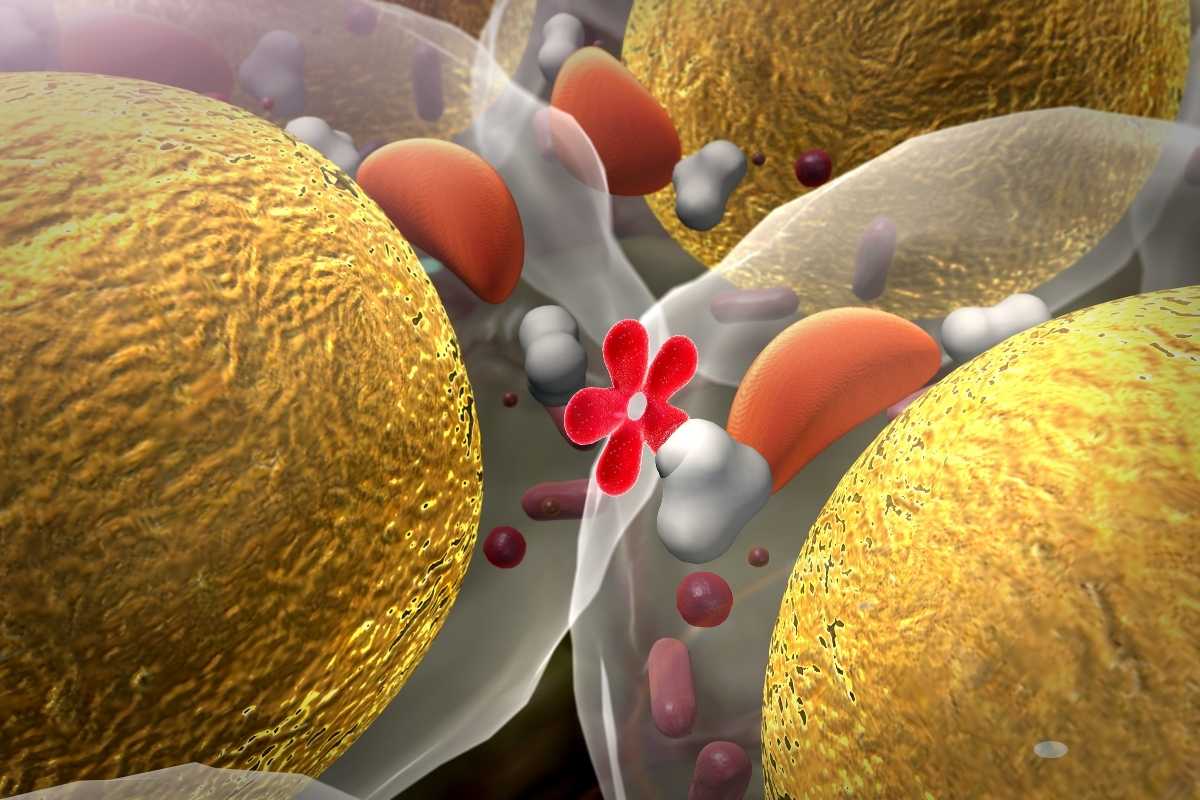
This process is called contraction-mediated glucose uptake, and it has been extensively described in metabolic physiology research. Think of it as opening a second door into the muscle cell, one that bypasses insulin resistance entirely.
That’s why timing movement immediately after eating can prevent spikes instead of trying to fix them later.
Strategy #1: Walk After Eating — Timing Matters More Than Duration
You’ve probably heard that walking helps blood sugar.
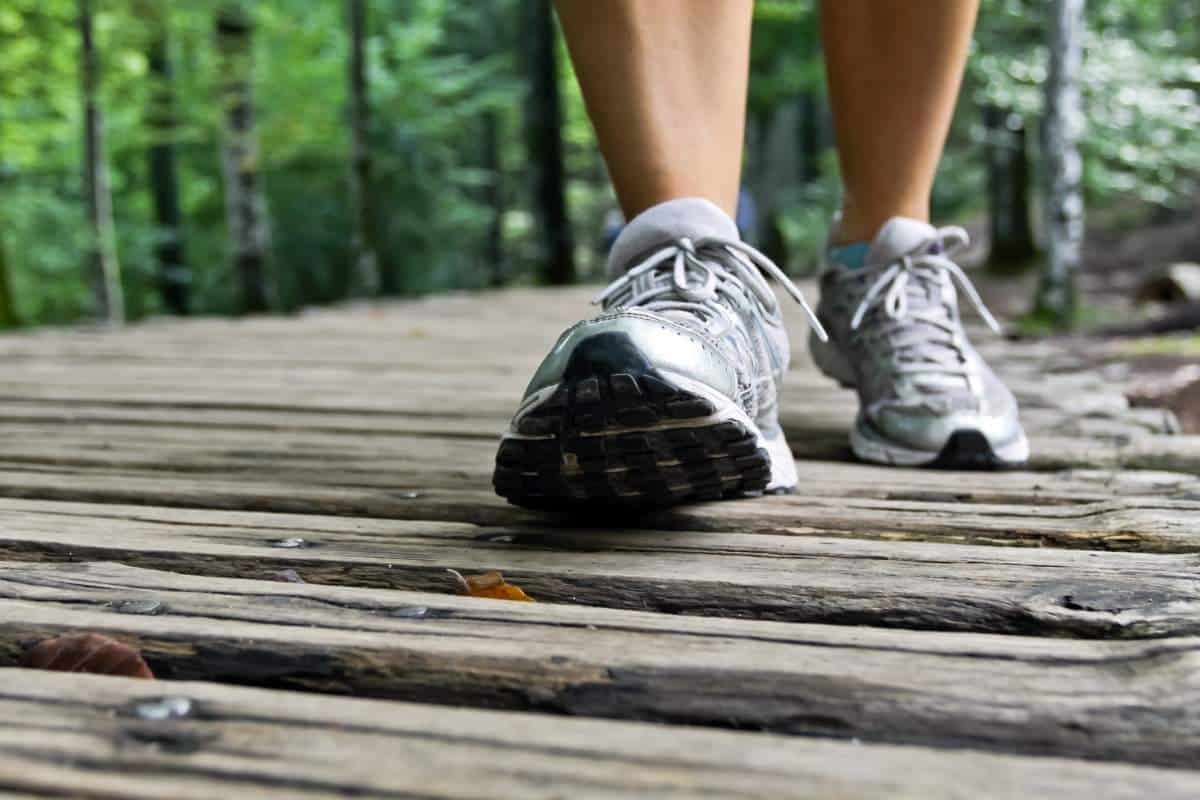
But what most people miss is that when you walk matters more than how long you walk. A randomized controlled trial compared two exercise routines in people with type 2 diabetes:
Both groups did the same total amount of exercise. But the results were dramatically different.
The group that walked after meals had significantly lower blood sugar throughout the entire day — including lower post-meal glucose, lower pre-meal glucose, and improved HbA1c levels.
Why did this happen?
Because walking immediately after eating activates muscle glucose uptake precisely when blood sugar is rising.
Instead of glucose accumulating in the bloodstream, it is pulled into muscle cells and used for energy. This prevents the spike instead of trying to correct it later.
Even short walks are effective. Research consistently shows that just 10 to 15 minutes of walking after meals significantly reduces post-meal glucose excursions.
This doesn’t require a gym. It doesn’t require intense exercise. It simply requires activating your muscles at the right time.

Strategy #2: Soleus Push-Ups — Lower Blood Sugar While Sitting
Here’s something most people never hear: You can lower blood sugar even while sitting down.
A pilot study in people with prediabetes tested a simple movement called the soleus push-up (repeated heel raises while seated). Participants performed a standard glucose tolerance test twice:
The difference was dramatic. Blood sugar excursions dropped by approximately 32% when participants performed soleus push-ups compared to sitting still.
This happens because the soleus muscle (a deep calf muscle) is highly oxidative and specialized for sustained glucose uptake.
Unlike fast-twitch muscles, the soleus muscle can continuously pull glucose from circulation without fatiguing quickly.
And importantly, this process does not require insulin. This makes it especially useful for people with insulin resistance.
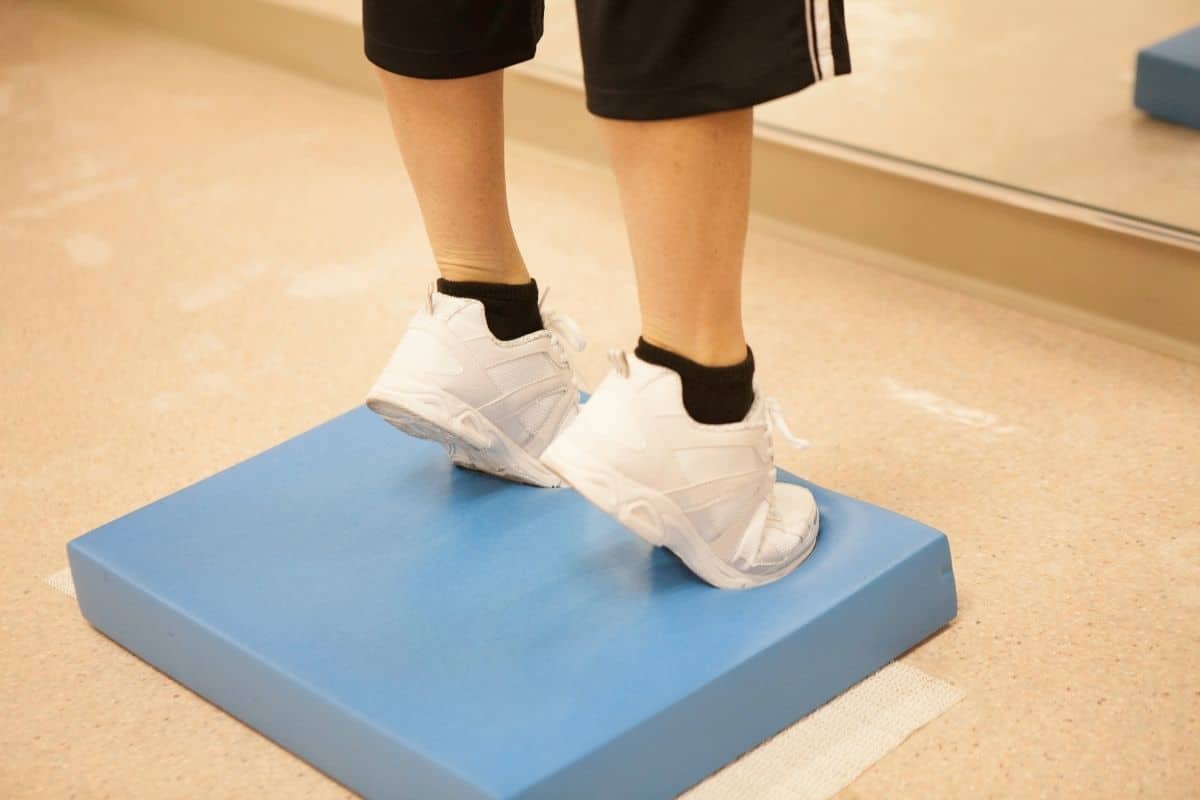
Here’s how to do it:
This activates the soleus muscle and increases glucose uptake. You can do this while:
Even though the original study used continuous movement for longer periods, shorter sessions still provide meaningful metabolic benefits.
It’s a simple way to keep glucose moving when walking isn’t possible.
Strategy #3: Stair Climbing — A Powerful Shortcut to Lower Blood Sugar
If you want maximum glucose-lowering effect in minimal time, stair climbing is one of the most powerful tools available.
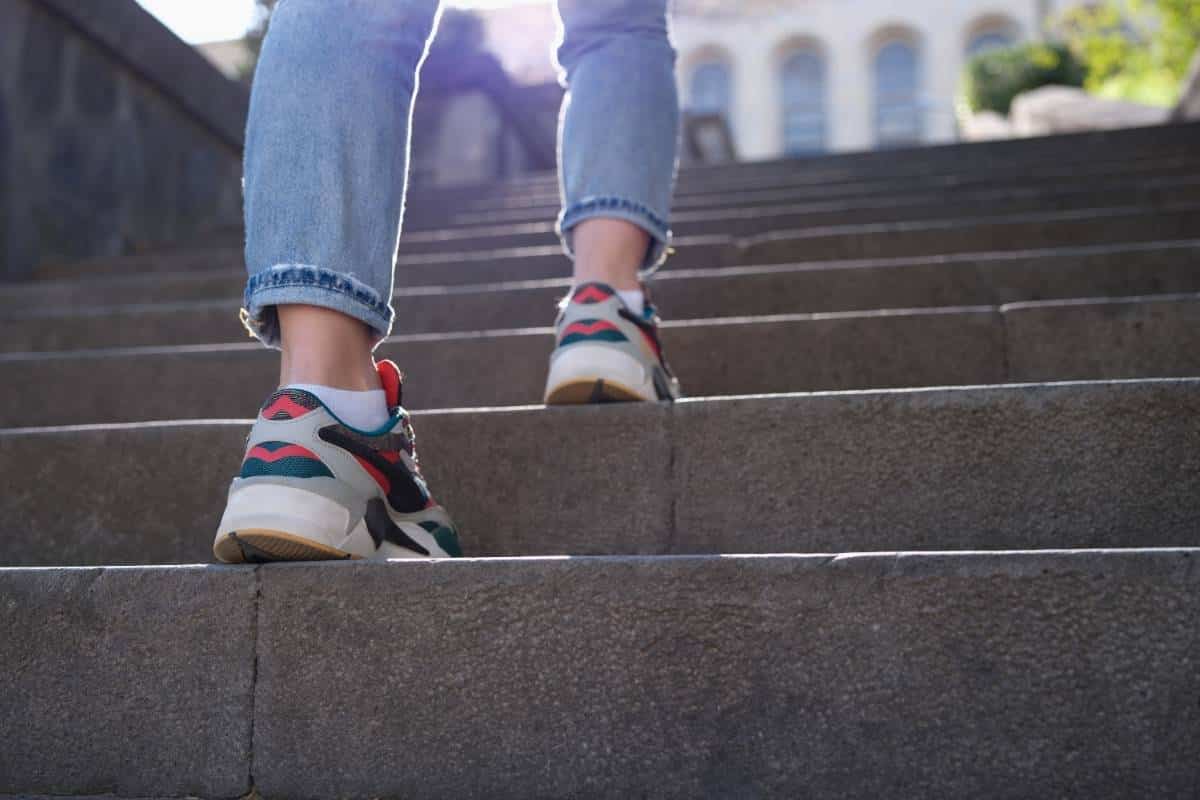
A randomized crossover trial examined stair climbing performed immediately after eating. Participants performed stair climbing for:
Even just 1 minute of stair climbing significantly lowered blood sugar and insulin levels. Three minutes produced even greater improvements in glucose disposal and insulin sensitivity.

Stair climbing is uniquely effective because it activates large muscle groups simultaneously:
These large muscles create a strong metabolic demand, rapidly pulling glucose out of the bloodstream.
This doesn’t require sprinting or intense effort. Even slow, steady stair climbing produces measurable benefits. The key is timing.
Perform stair climbing immediately after eating — ideally within the first 5 to 15 minutes. This aligns muscle glucose uptake with peak glucose levels.
Why Immediate Movement Is More Effective Than Delayed Exercise
Many people try to exercise hours after eating to “burn off” glucose, but by then, much of the damage has already been done.
Glucose spikes trigger oxidative stress, inflammation, and endothelial dysfunction. Preventing the spike is far more effective than correcting it later.
Movement immediately after meals prevents glucose accumulation in the bloodstream. It changes the metabolic trajectory of the entire post-meal period. Over time, this improves insulin sensitivity, reduces liver fat, and improves fasting glucose levels.
This Is About Insulin Sensitivity, Not Just Spikes
These strategies don’t just lower blood sugar temporarily, they improve the underlying physiology. Regular muscle contraction:
Over time, your muscle becomes more responsive to insulin. Glucose is cleared more efficiently, fasting glucose improves and carbohydrate tolerance improves.
This is how insulin resistance is reversed — not by avoiding carbohydrates, but by restoring your body’s ability to use them.
Your Simple Post-Meal Action Plan
After meals, choose one of the following:
These strategies activate muscle glucose uptake when it matters most. They are simple, practical, and supported by human clinical trials. And when combined with high-fiber, low-fat, whole-food nutrition, they help restore insulin sensitivity over time.

The Bottom Line
Blood sugar spikes are not inevitable, your muscles are designed to regulate glucose. They just need activation at the right time. Movement immediately after eating:
You don’t need extreme exercise. You don’t need supplements. You need to activate your muscles when glucose is rising.
Want Help Applying This Framework?
If you want help applying this in combination with recipes designed specifically to improve insulin sensitivity and stabilize blood sugar, book a free discovery call with one of our advisors today and learn how the Mastering Diabetes Coaching Program can help you reclaim your health.
Lower Your A1c and Fasting Blood Sugar... Guaranteed
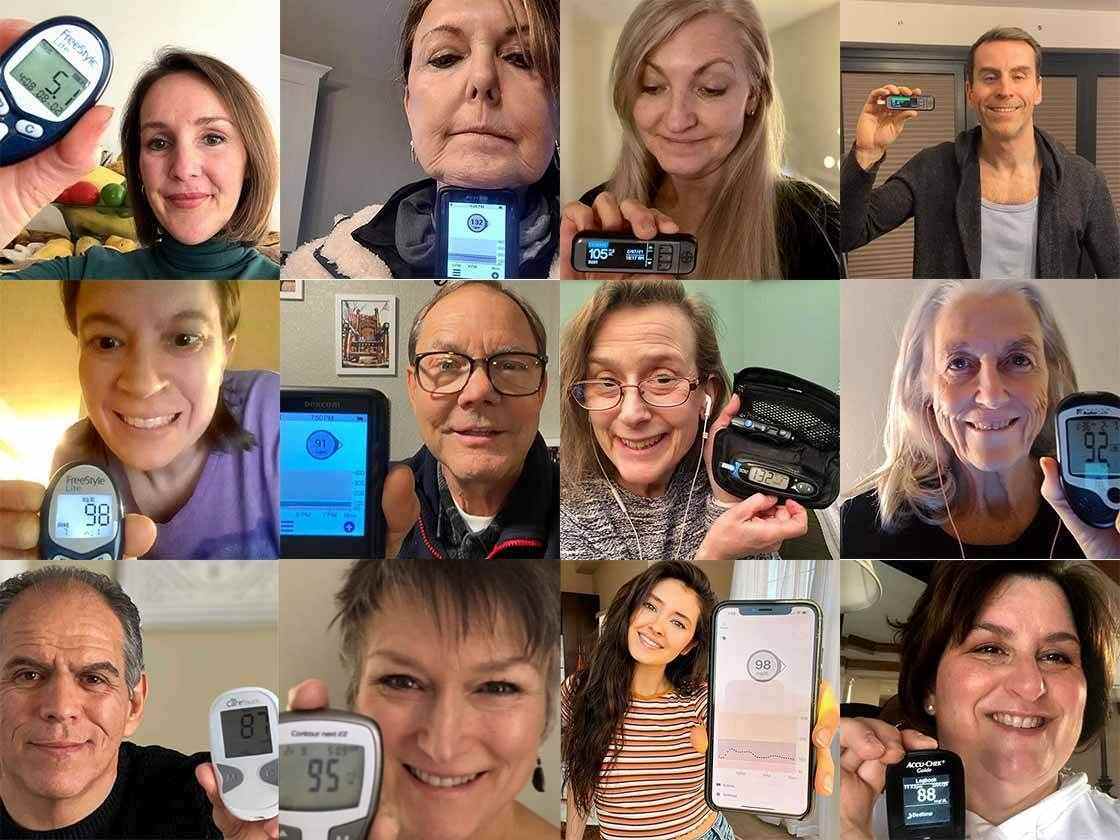
Your results are guaranteed. Join more than 10,000 ecstatic members today
Personalized coaching puts you in immediate control of your diabetes health, helps you gain energy, improves your quality of life, and reduces or eliminates your meds.