


Have you ever gone to bed with perfect blood sugar and woke up thinking, “Why is it higher now?” You didn’t eat. You didn’t snack. Not even a banana. Yet your morning number is higher than before sleep.

This happens to many people, especially those with type 2 diabetes or prediabetes. Today, you will learn why it happens and what you can do to make it better.
Your Body Gets Ready for the Day While You Sleep
From around 2 a.m. to 8 a.m., your body prepares to wake up. Even while you sleep, your brain and liver are busy. They release “wake-up” hormones, such as cortisol, growth hormone, glucagon, and adrenaline.

These hormones tell your liver, “Time to send sugar into the blood for energy!” This is called the dawn phenomenon. Everyone has it.
If your body is good at using sugar, it clears it quickly. But if you have insulin resistance, the sugar stays in your blood.
Insulin Acts Like a Key
Insulin is a hormone that works like a key to open doors on your cells. This lets sugar go into your cells so they can get energy.
If you have insulin resistance, the key doesn’t work well. When the liver releases sugar at night, the cells cannot use it. So the sugar stays in your blood and makes your morning number high.
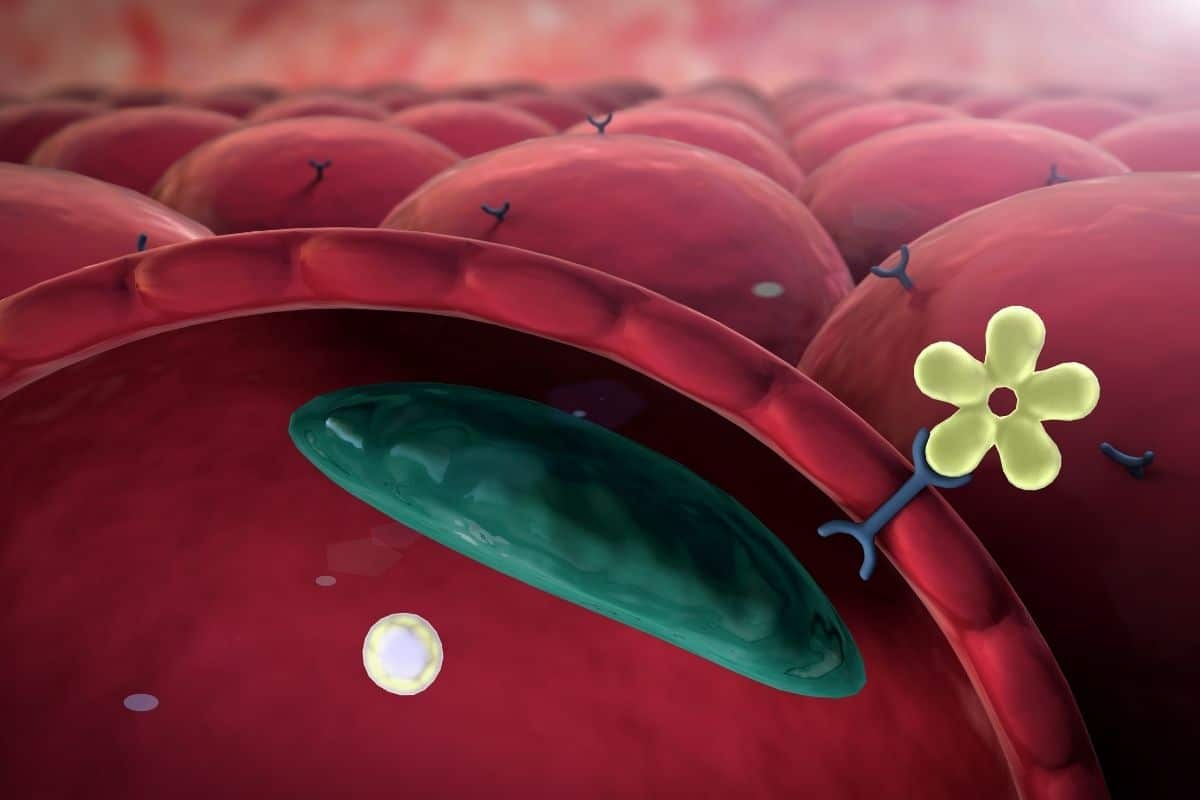
This was shown in a 2019 study where people with insulin resistance had more sugar made by their liver in the morning.
The Liver Keeps Making More Sugar
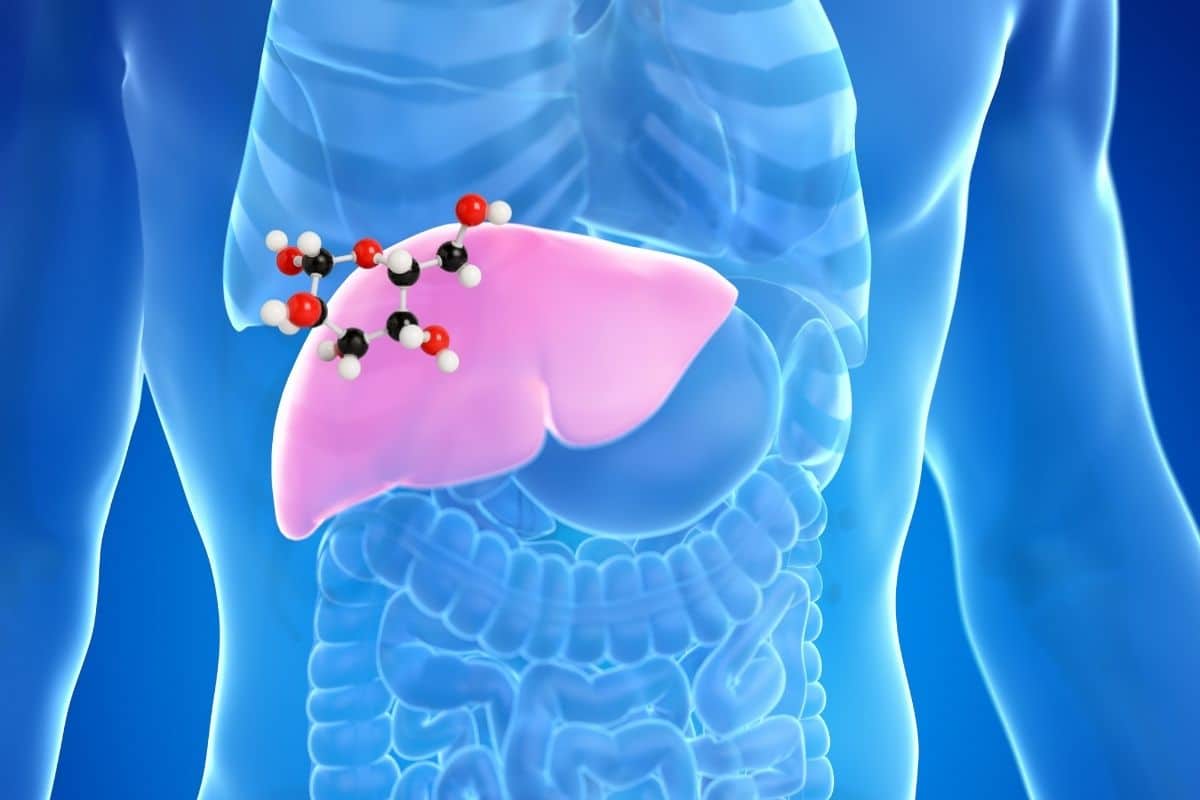
When your cells cannot get enough energy, your body thinks it needs more sugar. So the liver makes even more through a process called gluconeogenesis.
This means your liver turns protein and fat into sugar. The extra sugar goes into your blood.
In type 2 diabetes, the liver makes too much sugar even when you already have enough. Scientists call this “inappropriately elevated” liver glucose production.
Fat in Cells Blocks Insulin
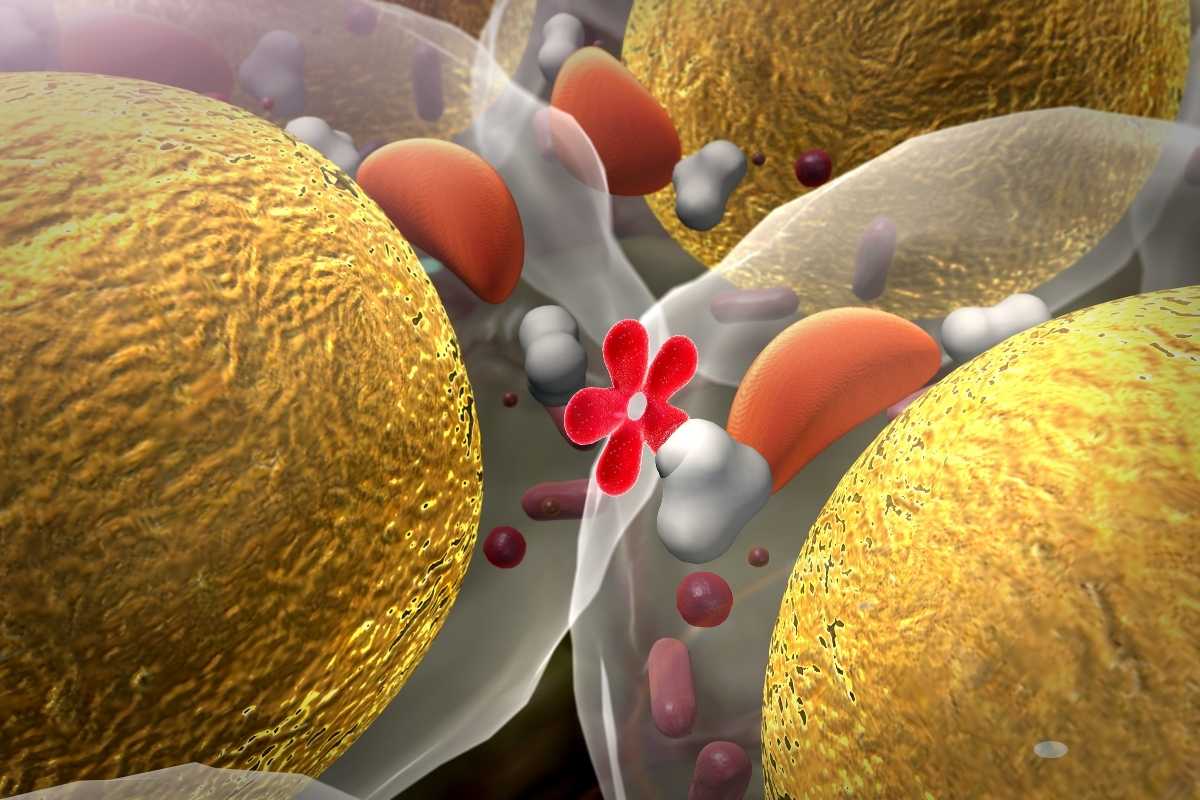
The real problem is fat inside your liver and muscle cells. Fat blocks insulin from working, so sugar cannot get into your cells.
A low-fat, plant-based, whole-food diet clears fat from liver and muscle cells. Historical studies, like the landmark 1955 Lancet trial, showed that patients on a low-fat, high-carb diet significantly reduced or eliminated insulin dependence in just weeks.
Even eating fruit like mango can help reduce insulin resistance.
How to Lower Your Morning Blood Sugar
Here are four ways that work fast:
Eat Early and Finish Dinner Early
Eating in a 6–8 hour window starting in the morning helps your body use sugar better. Your body is most sensitive to insulin earlier in the day.
For example, eat breakfast at 8 a.m. and finish dinner by 2 or 3 p.m. Your sugar will stay lower in the morning.

Move After Meals
Walking for 15–30 minutes after meals helps your muscles “vacuum” sugar out of your blood. This works better than just walking once a day.

Eat Low-Fat, Plant-Based Meals
Eating a low-fat, plant-based, whole-food diet clears fat from your liver and muscles. This helps insulin work more effectively and lowers blood sugar levels naturally.

Combine All Steps for a Metabolic Reset
When you eat early, move after meals, and eat low-fat, plant-based meals, your body relearns how to use sugar. Blood sugar drops, energy rises, and insulin starts working again, often in just a few days.
Why This Matters
High blood sugar over a long period can harm your eyes, kidneys, heart, and nerves. It can also weaken your immune system. Fixing insulin resistance and controlling morning blood sugar helps prevent these problems.

Lower Your A1c and Fasting Blood Sugar... Guaranteed
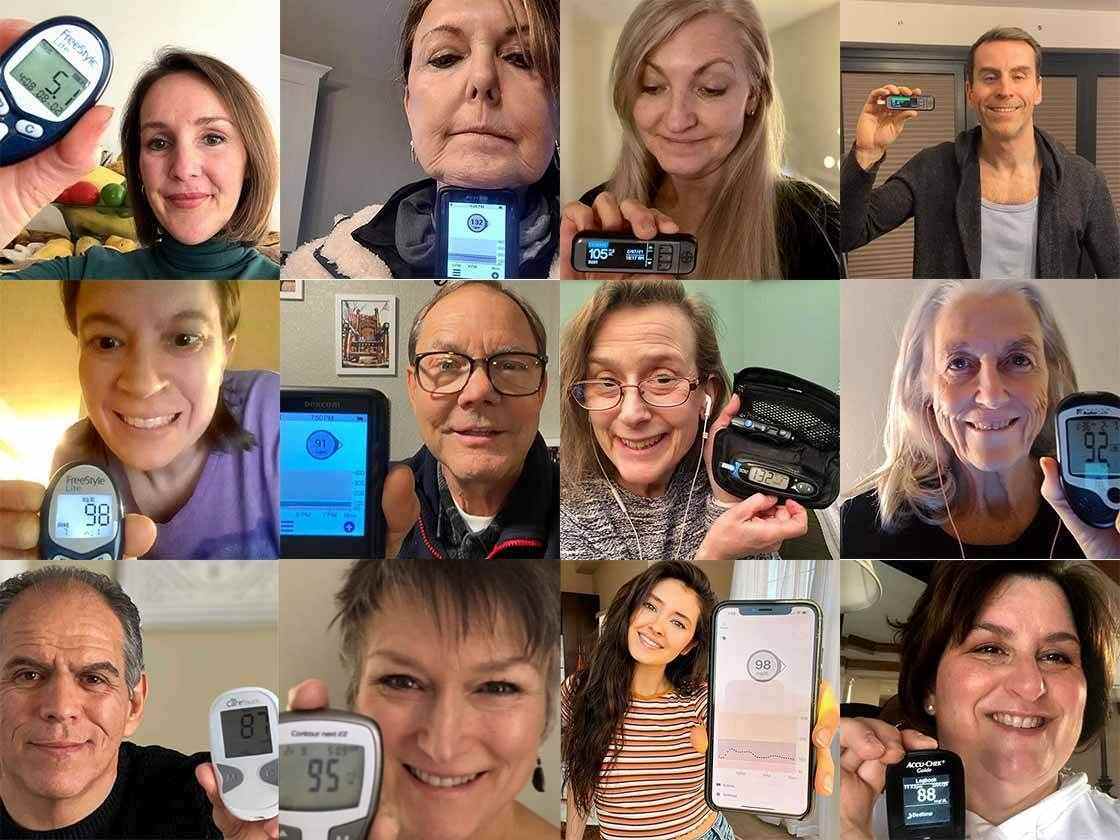
Your results are guaranteed. Join more than 10,000 ecstatic members today
Personalized coaching puts you in immediate control of your diabetes health, helps you gain energy, improves your quality of life, and reduces or eliminates your meds.