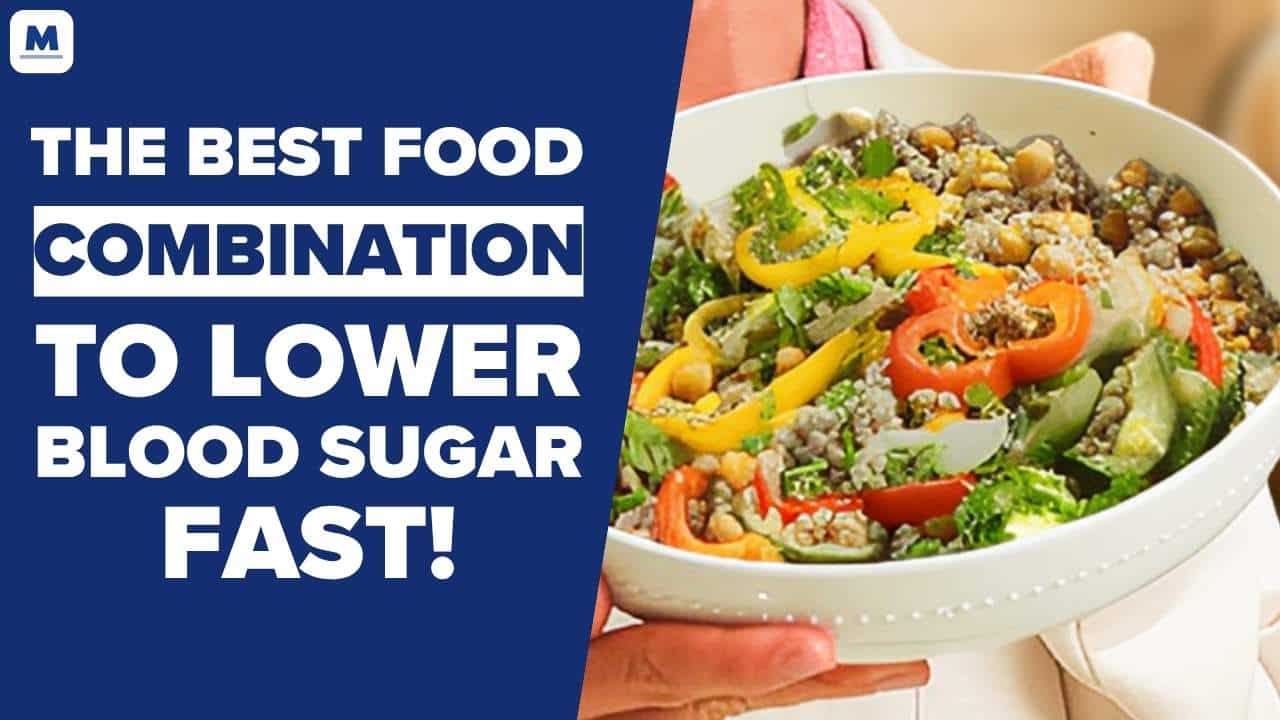

If you’ve been told to fear carbs to lower your A1c, this might surprise you. The truth is, you can eat more whole-food carbohydrates and still bring your A1c down fast when you know how to lower insulin resistance.
In this guide, you’ll learn five science-backed steps to improve your blood sugar naturally, plus two inspiring real-life stories that prove it’s absolutely possible.
Understanding HbA1c
Your hemoglobin A1c and your fasting blood sugar are not the same thing.
Fasting blood sugar is a single snapshot, one moment in time. Your A1c, on the other hand, is a three-month average of all your blood sugar readings. It shows how your glucose behaves day in and day out.

Here’s a quick rule of thumb:
The higher your A1c, the greater your risk. The good news? You can start lowering it right now, even before your numbers reach the diabetic range.
And if you’re already on medication, these lifestyle steps can help you reduce your dose or, in some cases, come off completely (with your doctor’s guidance).
Step 1: Cut Down Dietary Fat
The first step to lower your HbA1c fast is simple but powerful, reduce your total fat intake.
At Mastering Diabetes, we recommend aiming for a maximum of 30 grams of total fat per day. Lowering dietary fat allows your body to become more insulin sensitive, which means you can handle carbs efficiently without blood sugar spikes.

Most conventional diabetes diets include too much fat, especially saturated fat from meat, butter, and cheese. These foods increase insulin resistance and make it harder for glucose to enter your cells.
By shifting to whole plant foods like fruits, vegetables, legumes, and whole grains, you allow your body to reverse insulin resistance naturally.
A 2024 study of over 39,000 adults in Australia found that people eating low-carb, high-fat diets were more likely to develop type 2 diabetes than those eating more carbohydrates, mainly due to weight gain.

Another 2025 review in Nutrition found that plant-based, fiber-rich, low-fat diets consistently improved HbA1c, insulin sensitivity, and body weight, while high intakes of saturated fat, red or processed meat, and ultra-processed foods increased insulin resistance and diabetes risk.
Step 2: Activate Your Calves After Meals
If walking after meals isn’t always possible, here’s a trick: activate your calves.
The soleus muscle, deep in your calf, can pull glucose from your blood even while sitting. In a recent study, people with prediabetes performed “soleus push-ups” — raising their heels while keeping their toes down. This simple move reduced blood sugar spikes by about 32% compared to doing nothing.

Try this: after each meal, sit tall and perform seated calf raises for 5–10 minutes. Your calves will become tiny glucose-burning engines that help bring your blood sugar down faster.
Step 3: Shift Your Eating Window Earlier
The timing of your meals matters just as much as what you eat.
A 2022 randomized controlled trial in Nature Communications found that early time-restricted feeding (eating all meals within an 8-hour window earlier in the day) significantly improved insulin sensitivity, lowered fasting glucose, and reduced inflammation — all without changing what participants ate.

Here’s how to apply it:
This pattern mimics the benefits of intermittent fasting and can help lower your A1c faster, without cutting calories or carbs.
Step 4: Add Amla (Indian Gooseberry)
Amla, or Indian gooseberry, is one of the most powerful whole-food sources of vitamin C and antioxidants.
Research shows Amla can lower blood sugar, improve insulin sensitivity, and support healthy cholesterol and triglyceride levels. A 2023 meta-analysis of randomized trials confirmed that Amla significantly improved fasting glucose, reduced LDL, raised HDL, and decreased inflammation markers compared to controls.

You can take it as a powder, capsule, or juice. Start small and see how you feel.
If you’re taking blood sugar medication, check with your healthcare provider first, combining Amla with medication may drop your glucose faster than expected.
Step 5: Prioritize Quality Sleep
Sleep is your body’s reset button for blood sugar.
When you don’t get enough rest, cortisol (your stress hormone) rises, and so does your blood glucose.
A 2025 study of 1,300 adults with diabetes found that those sleeping under seven hours a night had significantly higher A1c levels than those who slept 7–8 hours.

To improve your sleep quality:
Even small improvements in sleep can help lower your A1c and boost your energy.
Real-Life Results: Cynthia and Philip’s Transformations
Cynthia’s Story
After living with type 2 diabetes for over a decade, Cynthia faced an A1c of 9.9, fasting glucose of 179, and a weight of 183 lbs.
She joined the Mastering Diabetes program and embraced a low-fat, whole-food, plant-based lifestyle.

In just five months, her A1c dropped to 5.6, fasting glucose to 90, and her weight to 154 lbs. Her blood pressure normalized, and she didn’t change her exercise routine at all.
Philip’s Story
At 72 years old, Philip proves it’s never too late to turn your health around.
In August 2024, his A1c was 7.5%, and he was taking metformin. By July 2025, his A1c fell to 5.6%, he lost 15 pounds, and his cholesterol dropped 40 points.

He now maintains his results medication-free and enjoys the freedom of a truly sustainable lifestyle.
Combine These Habits for Even Better Results
Each of these steps is powerful on its own, but when you combine them, the effects multiply.
This is exactly what we teach inside the Mastering Diabetes program, where you’ll learn how to:
Thousands of people have followed these exact principles to lower their fasting glucose and HbA1c, often within weeks, without extreme diets or gimmicks.
Lower Your A1c and Fasting Blood Sugar... Guaranteed
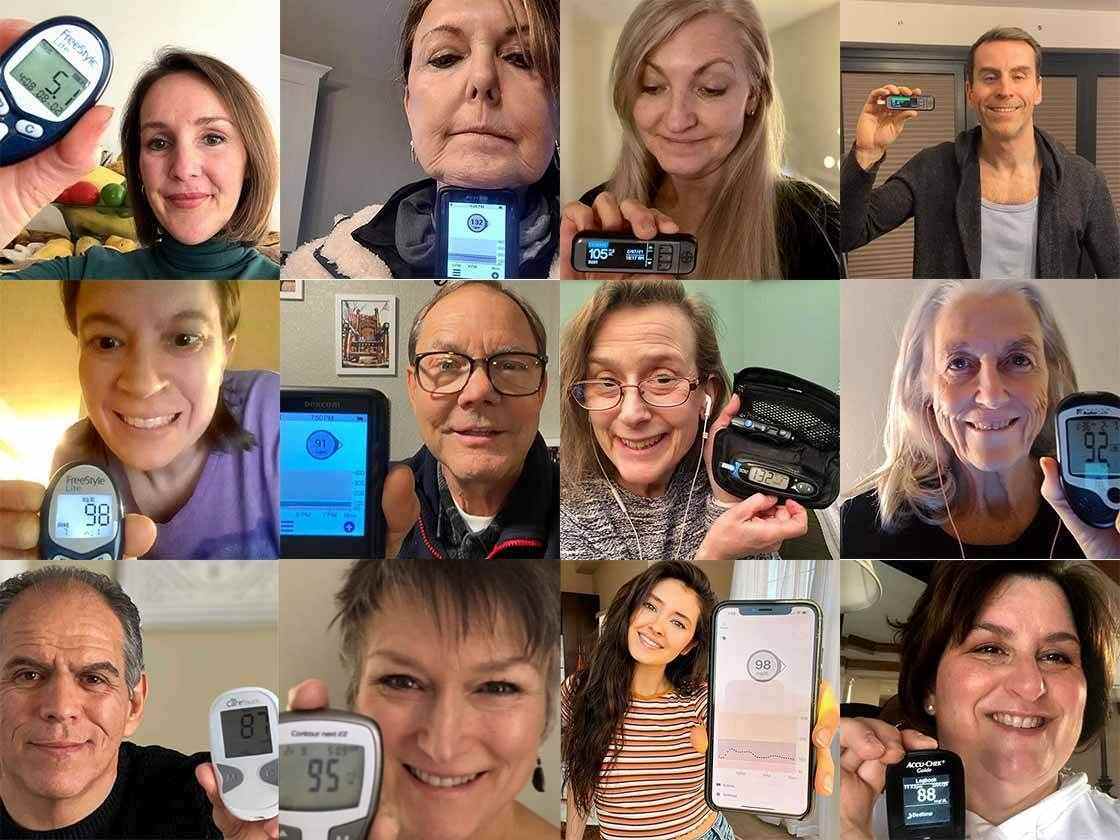
Your results are guaranteed. Join more than 10,000 ecstatic members today
Personalized coaching puts you in immediate control of your diabetes health, helps you gain energy, improves your quality of life, and reduces or eliminates your meds.