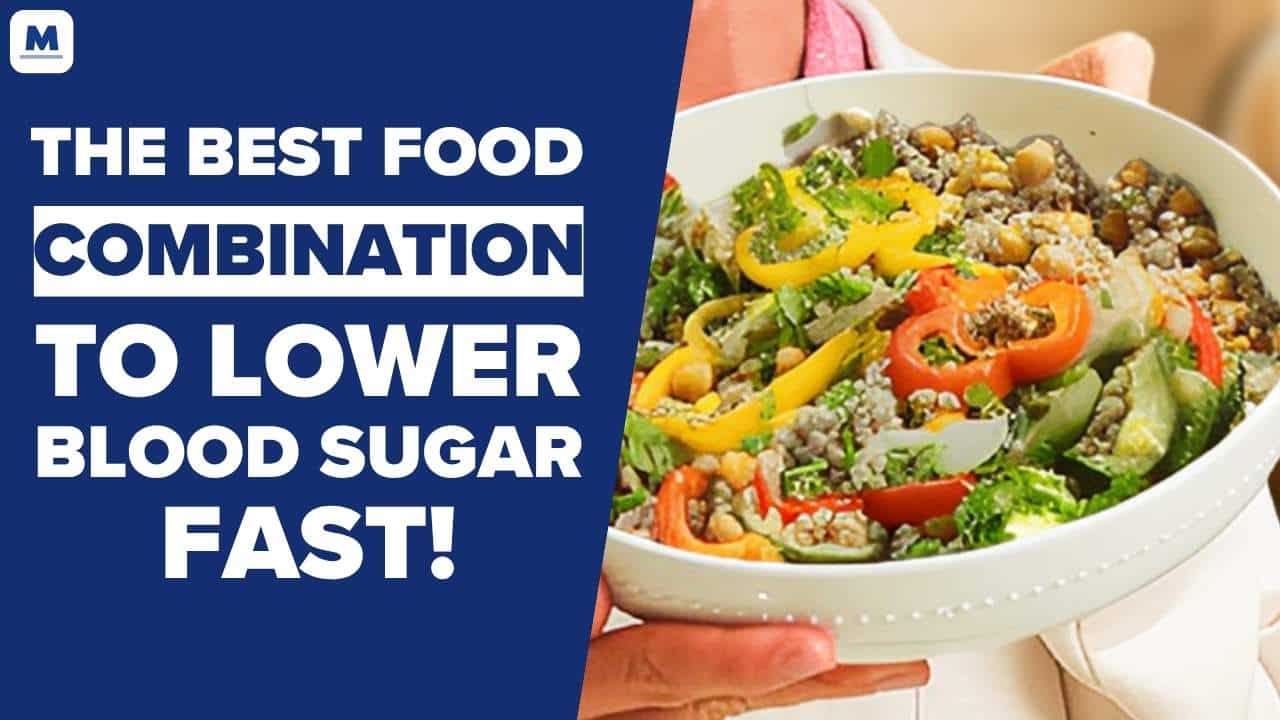


If you’ve been told over and over again that “carbs raise blood sugar,” you’re not alone. That message is everywhere. It keeps people trapped in confusion, fear, and restrictive diets that don’t always deliver results.
But here’s the real truth: the right kind of carbs can be powerful tools to improve insulin sensitivity, lower your A1C, and let you enjoy more whole foods — including fruit — without chaotic blood sugar spikes.
Over the years, the Mastering Diabetes team has supported thousands of people with every form of diabetes. From them, we’ve refined 8 science-backed strategies that consistently help lower blood sugar without cutting carbs out. Use these strategies together, and you’ll start seeing more stable readings, fewer spikes, and less frustration.
The Fiber Flood Secret: Eat More Carbs to Lower Your Blood Sugar
Sounds backwards, right? But here’s what the science and experience show:
When you eat whole, fiber-rich carbohydrates — like fruits, beans, intact whole grains, and starchy vegetables — you slow the release of glucose into your bloodstream. Fiber acts like a brake pedal.
In fact, a 2013 meta-analysis in Clinical Nutrition found that people who increased their dietary fiber saw meaningful reductions in A1C, fasting glucose, and post-meal glucose.
Another trial added about 40–42 grams of fiber per day: HbA1c dropped by ~0.55%, and fasting glucose fell by nearly 10 mg/dL.

So instead of fearing carbs, flood your body with whole plant foods that are naturally high in fiber. Swap refined grains like white bread or white rice for intact whole grains. Add beans and a big salad to lunch.
Now, you might be thinking: “But even whole carbs spike me sometimes…” — if that’s you, hang on. The next strategies are where things really shift.
The Hidden Cause: Slash the Fat, to Unlock the Cells
Here’s one of the biggest secrets few people talk about: it’s not the carbs that are the root issue: it’s excess fat inside your liver and muscle cells (intracellular fat). This fat literally blocks insulin from opening your cells, so glucose remains stuck in your blood.
In one study, overweight adults adopted a low-fat vegan diet (no limit on carbs) for 16 weeks. They lost about 6 kg, reduced liver and muscle fat, and dramatically improved insulin sensitivity.
Another trial compared that diet to a Mediterranean diet and found better improvements in insulin sensitivity, weight, and lipids in the vegan group.
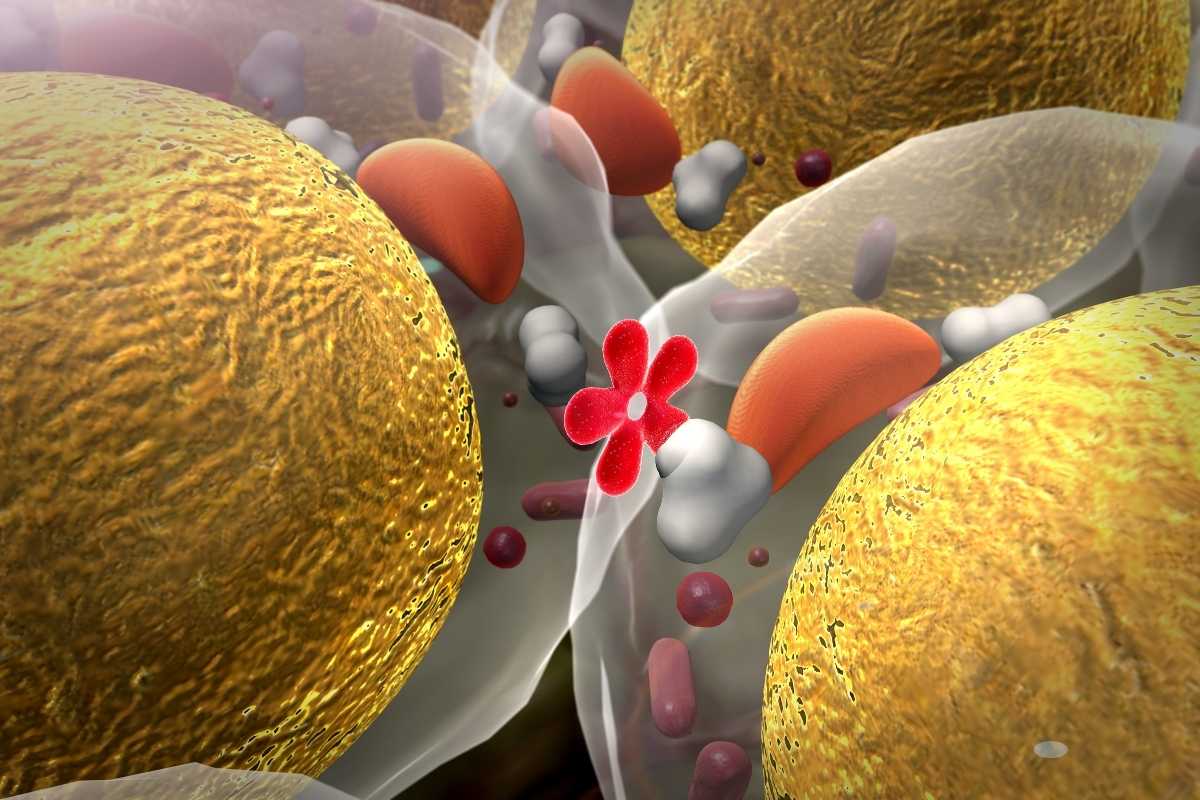
The bottom line: lowering your dietary fat helps clear the “traffic jam” inside your cells, restoring insulin’s access.
As a rule of thumb, keep your fat intake under about 10 grams per meal. We don’t get into rigid macros here; it’s about keeping fats minimal, especially oils and refined fats.
The Carb Safety Shield: Stack Your Plate with Green Power Foods
Leafy greens, nonstarchy vegetables, sprouts, herbs — these foods add bulk, fiber, and phytonutrients that slow digestion and buffer the glycemic impact of your carbs. Think of them as a “shield” around your starches, so glucose trickles in instead of flooding.
The Mastering Diabetes Method uses a traffic-light system: green-light foods (nonstarchy vegetables, herbs, etc.) are unlimited. Start by filling at least half your plate with nonstarchy veggies at lunch and dinner, or begin each meal with a big salad.
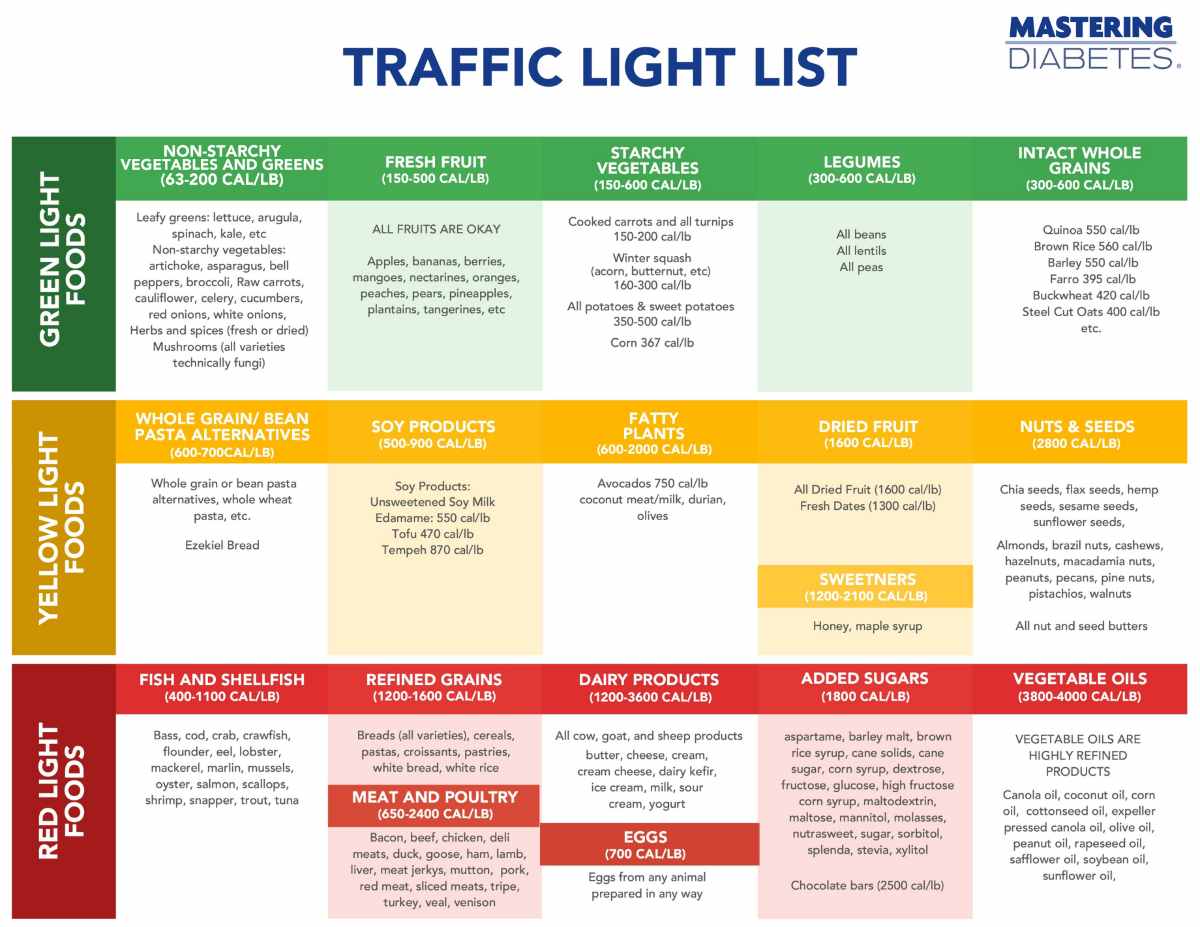
For more on this system, check out our Nutrition Guidelines.
Kick Processed Foods to the Curb: Break the Fast-Carb Addiction
Processed, refined foods (white flour, sugary snacks, fried foods) act like the fast lane for glucose. They spike your sugar, spike your insulin, increase hunger, and worsen insulin resistance over time.
Replacing them with intact whole foods smooths your blood sugar curves. Our guidelines label these as “red-light foods” for a reason — they push glucose out of control.
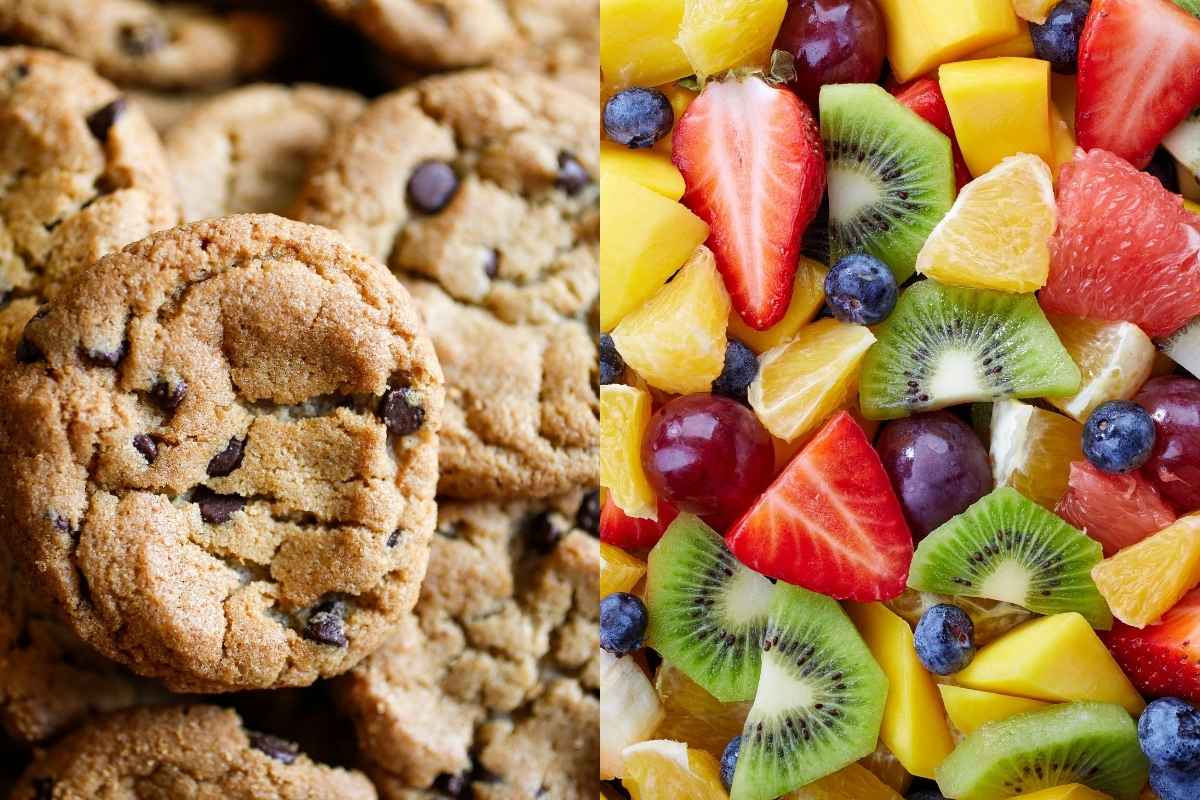
Over the next week, scan your pantry. Swap white bread for real whole-grain bread. Replace cookies with fresh fruit. Swap chips for air-popped popcorn or edamame.
Meal Timing Magic: Shift Your Clock, Drop Your Sugar
How you time meals matters just as much as what you eat. Your body metabolizes earlier meals more effectively. When you eat big late at night and then lie down or go to sleep, glucose lingers in your blood.
In a 2021 trial, participants ate the same dinner at 6:00 PM vs. 9:00 PM. Even though the energy was identical, the earlier meal led to lower glucose through the night.
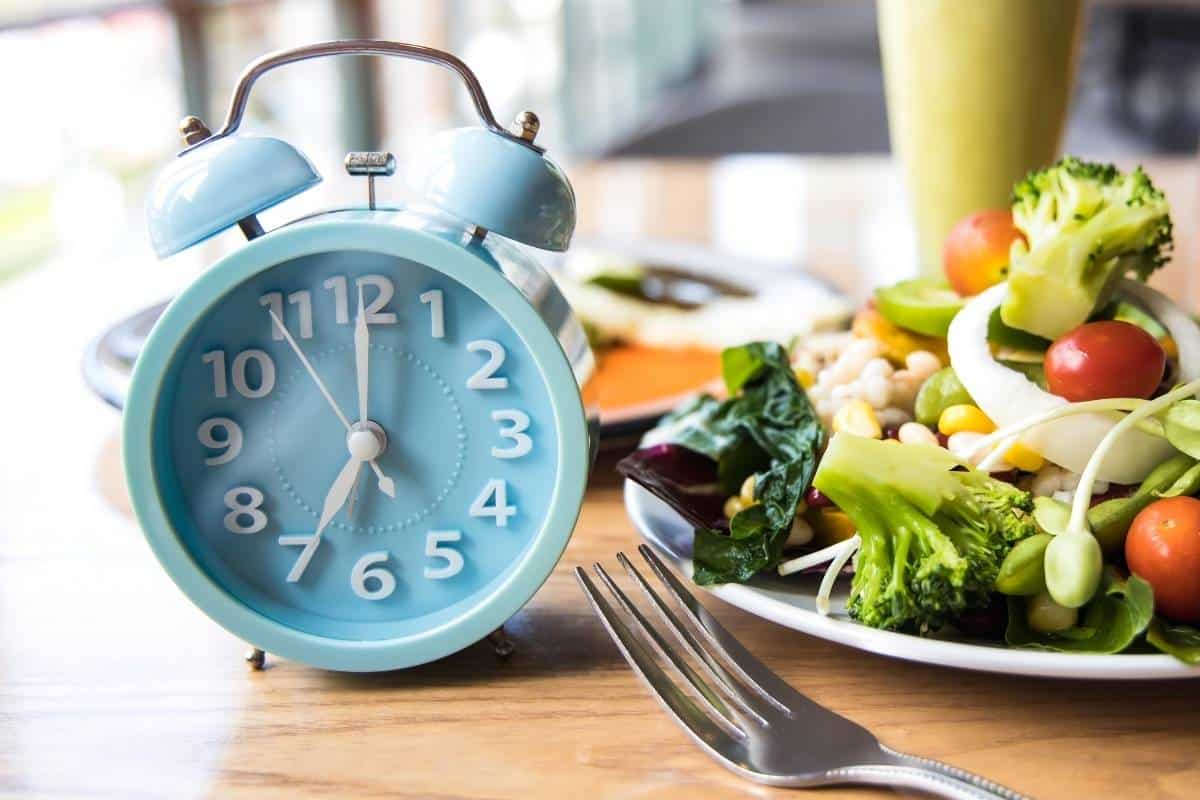
Try this: make breakfast and lunch your biggest meals, keep dinner lighter and earlier, and skip heavy snacking before bed.
Post-Meal Blood Sugar Hack: Walk It Off... Literally
Just walking or moving within 30 minutes after eating turns your muscles into “glucose vacuums,” drawing sugar out of your blood without much insulin.
A randomized crossover trial showed that walking 15 minutes after each meal gave better glucose results than doing the same cumulative amount in one session.

Right after your next meal, get up and walk the block, do gentle yoga, or tidy up the kitchen. Anything that keeps you moving for 15 minutes.
Turn High-Carb Foods into Low-Impact Foods
This is a clever hack: transform high-carb meals into lower-impact ones using apple cider vinegar (ACV). The acetic acid slows the enzymes that convert starch into sugar and boosts glucose uptake by muscles.
Multiple studies (including a 2017 meta-analysis) show that vinegar taken with meals reduces post-meal blood glucose and insulin responses.

Try a homemade ACV dressing: mix 1–2 tablespoons apple cider vinegar, lemon juice, herbs, and a touch of mustard. Drizzle it over salads or starchy foods like rice or potatoes. You’ll get flavor, plus blood sugar benefits.
The Timing Triple Threat: Combine for Maximum Effect
Each of the previous strategies works on its own, but when you combine earlier meals, movement after eating, and lighter evenings, you create a multiplier effect.
Pick one day this week to go all in: eat your biggest meals earlier, move after each meal, and keep dinner light and early. Watch your meter the next morning — many people are shocked how quickly their fasting numbers improve.
Take the Next Step: Learn the Mastering Diabetes Method
So there you have it: eight powerful strategies to lower blood sugar without cutting carbs.
The first five reverse insulin resistance at its root. The last three deliver instant wins to help you stay motivated.

Thousands of people have walked this path — reversing type 2 or prediabetes, reducing or eliminating meds, feeling more energy, better mood, and more stability. And you can too.
If you’re ready to make this change for real, we’d love to help.
Lower Your A1c and Fasting Blood Sugar... Guaranteed
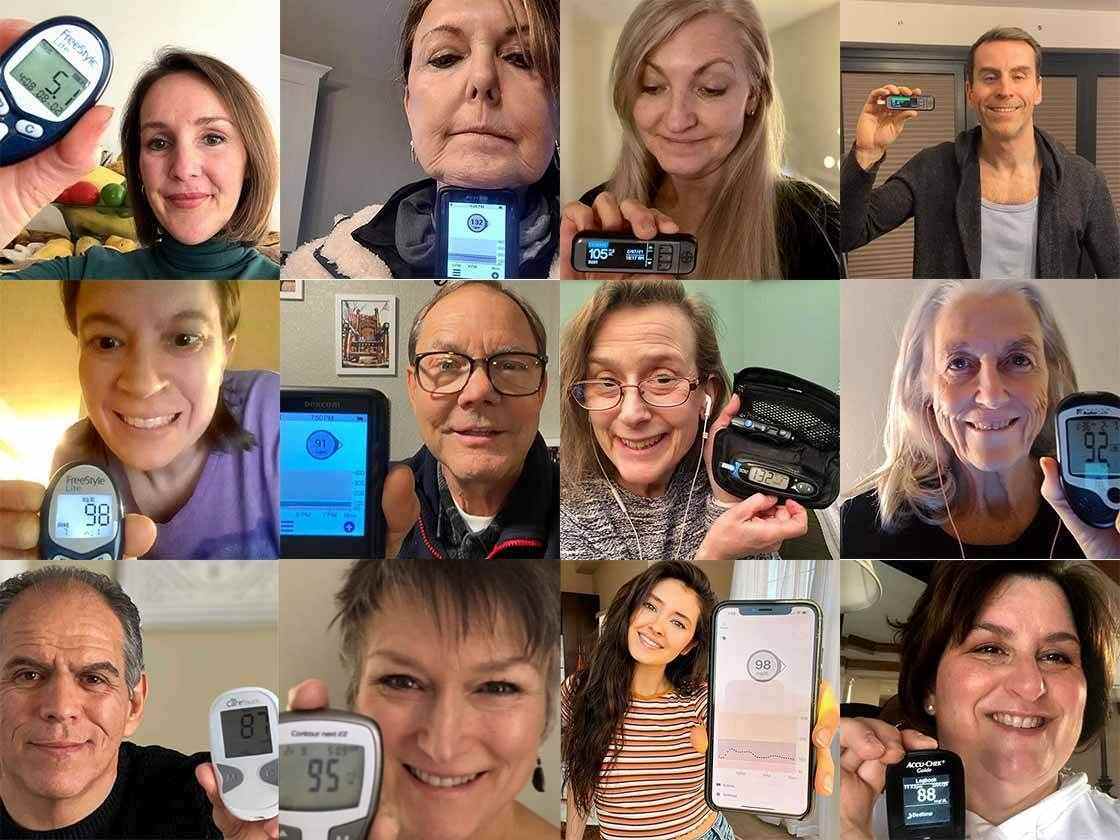
Your results are guaranteed. Join more than 10,000 ecstatic members today
Personalized coaching puts you in immediate control of your diabetes health, helps you gain energy, improves your quality of life, and reduces or eliminates your meds.