
High blood sugar isn’t random. It’s the result of three things happening at the same time:
So the fastest way to lower blood sugar isn’t one magic trick. It’s pulling multiple levers at once:
Here are the five most effective ways to do that — starting with the one that works even when insulin isn’t cooperating.
1. Move for 10–15 Minutes: Turn Your Muscles Into Glucose Vacuums
If you want the closest thing to an emergency brake for high blood sugar, this is it. When your muscles contract, they can pull glucose directly out of your bloodstream without insulin. That matters — because in insulin resistance, insulin is the very signal that’s struggling to work.
Think of it like this: Insulin is the key. Your muscle cell is the lock. In insulin resistance, the lock is rusty, but muscle contraction opens a side door.
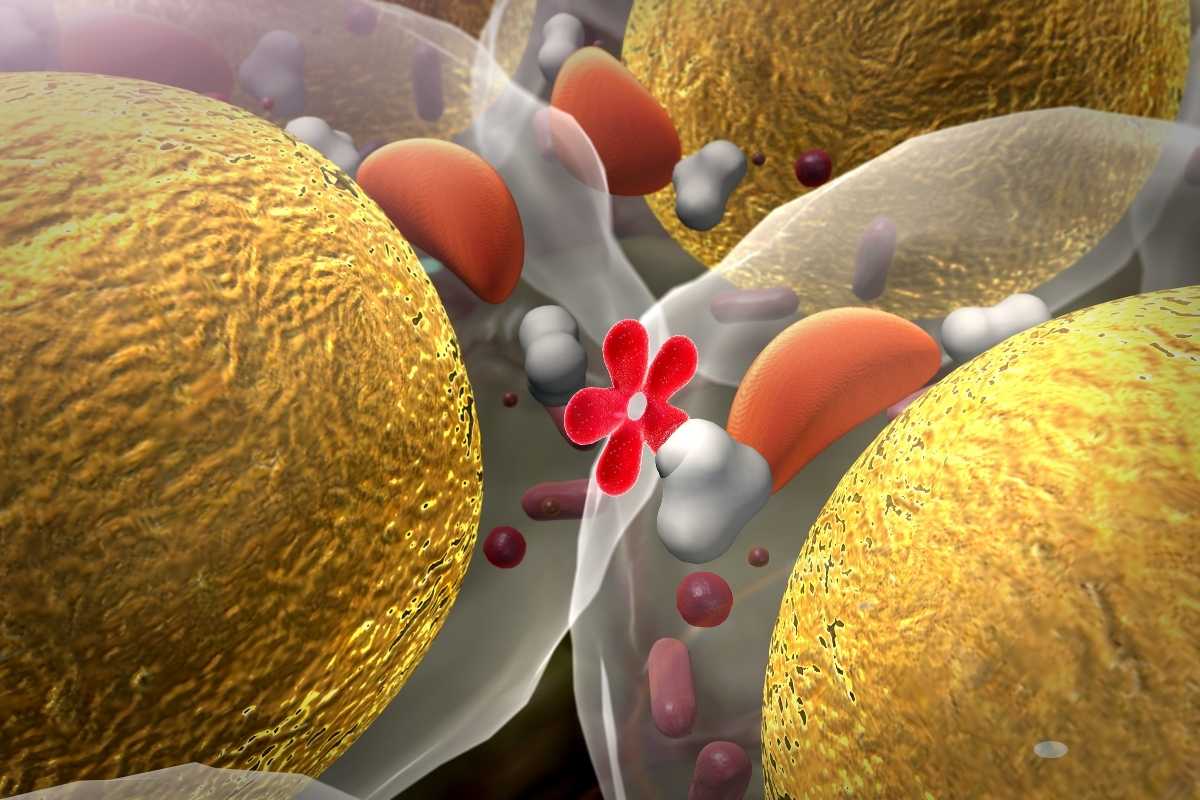
When you walk, your muscles activate GLUT-4 transporters that pull glucose into the cell independent of insulin. This has been demonstrated in human trials.
In a controlled study published in Diabetologia, people with type 2 diabetes who performed light walking after meals had significantly lower post-meal glucose and better overall daily control compared with those who remained seated.

This wasn’t intense exercise. Just walking. Even more powerful: the benefit lasted hours after the walk ended.
And if walking isn’t possible? You can activate the soleus muscle (deep calf muscle) while seated. Repeated heel raises have been shown to significantly improve glucose uptake and oxidative metabolism, even without full-body exercise.
If your glucose is high right now:
This doesn’t “flip a switch.” It opens a drain. And it’s one of the fastest tools you have.
2. Drink Water: Because Dehydration Makes High Blood Sugar Look Worse
Hydration sounds too simple, but it’s physiologically significant.
When blood glucose rises, your kidneys pull water into the urine to excrete excess glucose. The higher glucose goes, the more fluid you lose. That creates a cycle:
Same sugar. Less fluid. Higher concentration.
Hydration also affects hormone signaling.
Vasopressin rises when you’re dehydrated. Chronically elevated vasopressin has been associated with impaired glucose regulation and higher diabetes risk.

A population analysis published in Physiology & Behavior found that higher vasopressin activity correlated with worse glucose metabolism.
Water does not directly “flush sugar out.” But it:
If glucose is high:
Hydration prepares the battlefield so your other tools work properly.
3. Don’t Skip Your Next Meal — Use It Strategically
This is where many people accidentally make things worse. You see a high number and think: “I shouldn’t eat.”; “I’ll fast longer.”
But if you’re insulin resistant, skipping meals often increases stress hormones like cortisol and glucagon. Those hormones send a message to your liver: “Release more glucose.”
So instead of calming blood sugar, the liver dumps more sugar into circulation. Instead of restriction, use your next meal strategically:
Why? Insulin resistance is driven largely by fat accumulation inside liver and muscle cells.
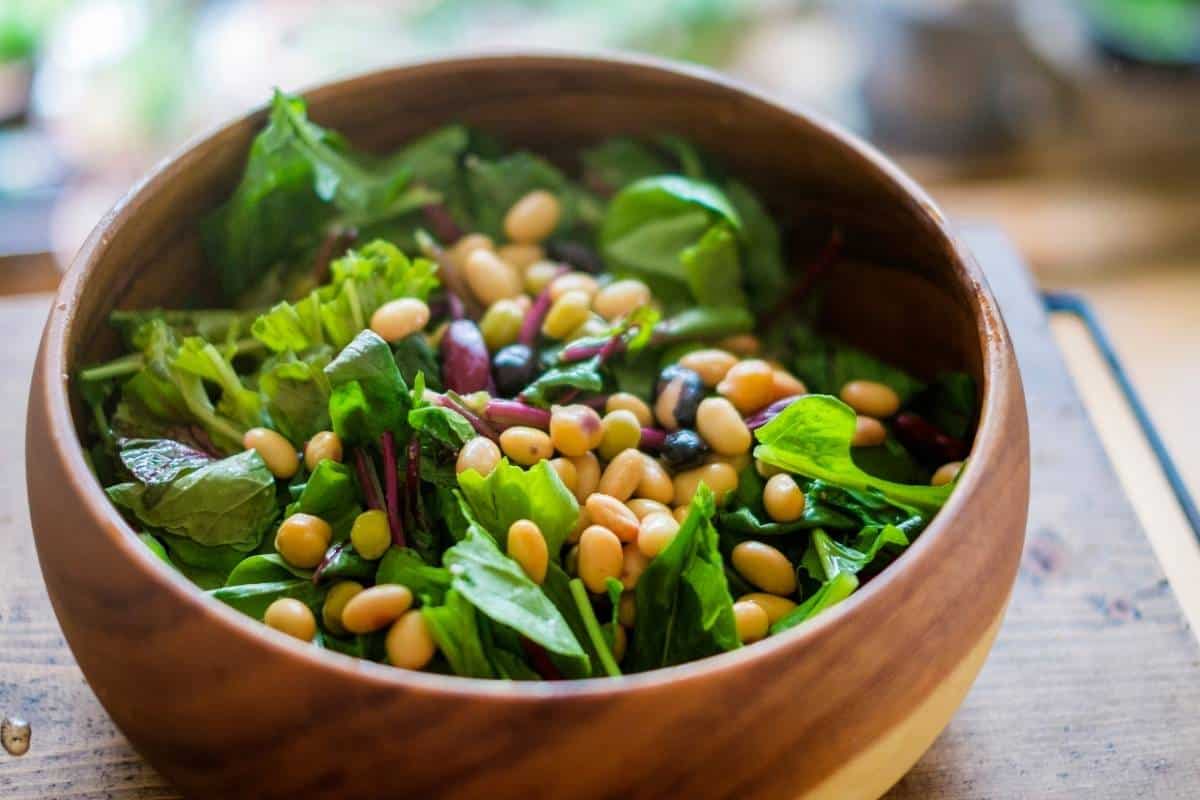
Saturated fat worsens that congestion. Fiber-rich, low-fat plant foods improve hepatic insulin sensitivity and reduce inappropriate liver glucose output.
A recent review in Current Nutrition Reports outlines how lowering saturated fat and increasing fiber improves liver insulin signaling. A “reset meal” looks like:
Yes — that includes carbohydrates.
If chickpeas spike you right now, that doesn’t mean chickpeas are harmful. It means insulin signaling needs repair. Carbohydrate intolerance is reversible.

As saturated fat drops and fiber increases, insulin sensitivity improves — and carbohydrates stop being the problem.
4. Calm Your Nervous System: Stress Can Raise Blood Sugar Fast
Blood sugar is controlled by hormones as much as food.
When you’re stressed, your body releases cortisol and adrenaline. These hormones signal your liver to release glucose. Your liver doesn’t care if the threat is a tiger (or a glucose meter).
Research consistently shows that stress-reduction practices improve glycemic control in people with insulin resistance.

A review in Frontiers in Physiology found that slow breathing, mindfulness, and relaxation training shift the nervous system out of fight-or-flight and into rest-and-digest, lowering cortisol and reducing liver glucose output.
In many trials, blood sugar improved without changes in diet or exercise. Same food. Different stress level. Different glucose response.
A simple protocol:
That longer exhale activates the parasympathetic nervous system and signals safety.
You need all three.
5. Track Fasting Glucose: Measure the Root Cause
This step won’t lower blood sugar in 15 minutes — but it prevents you from fighting the same battle daily.
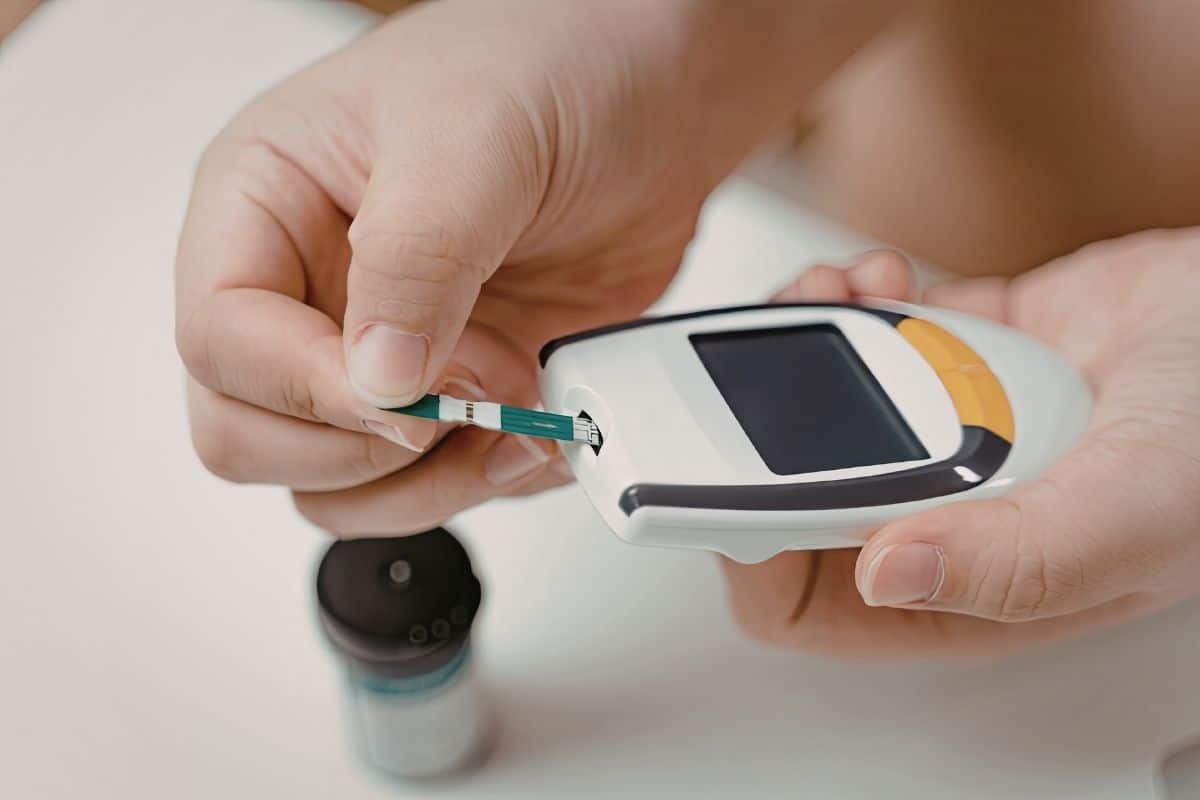
Fasting glucose is one of the clearest markers of liver insulin sensitivity. When fasting glucose trends downward over weeks, it means:
Track fasting glucose alongside:
You can’t feel subtle metabolic improvements, but your meter can show direction.
The Big Picture
High blood sugar isn’t a surface problem, it’s a traffic problem. Glucose isn’t high because you ate something “bad.” It’s high because:
Each of these five strategies targets a different part of that traffic jam:
None of these work because they “hack” blood sugar. They work because they remove the reasons it’s high.
This isn't a theory. It’s the same framework that has helped thousands inside the Mastering Diabetes program lower blood sugar, improve insulin sensitivity, and regain metabolic stability.
Managing diabetes means reacting to numbers. Reversing insulin resistance means changing the environment inside your cells. When all five levers move in the same direction, something powerful happens:
Want Help Applying This Framework?
If you want help applying this with simple, delicious meals designed to improve insulin sensitivity, book a free discovery call with one of our advisors today and learn how the Mastering Diabetes Coaching Program can help you reclaim your health.
Lower Your A1c and Fasting Blood Sugar... Guaranteed
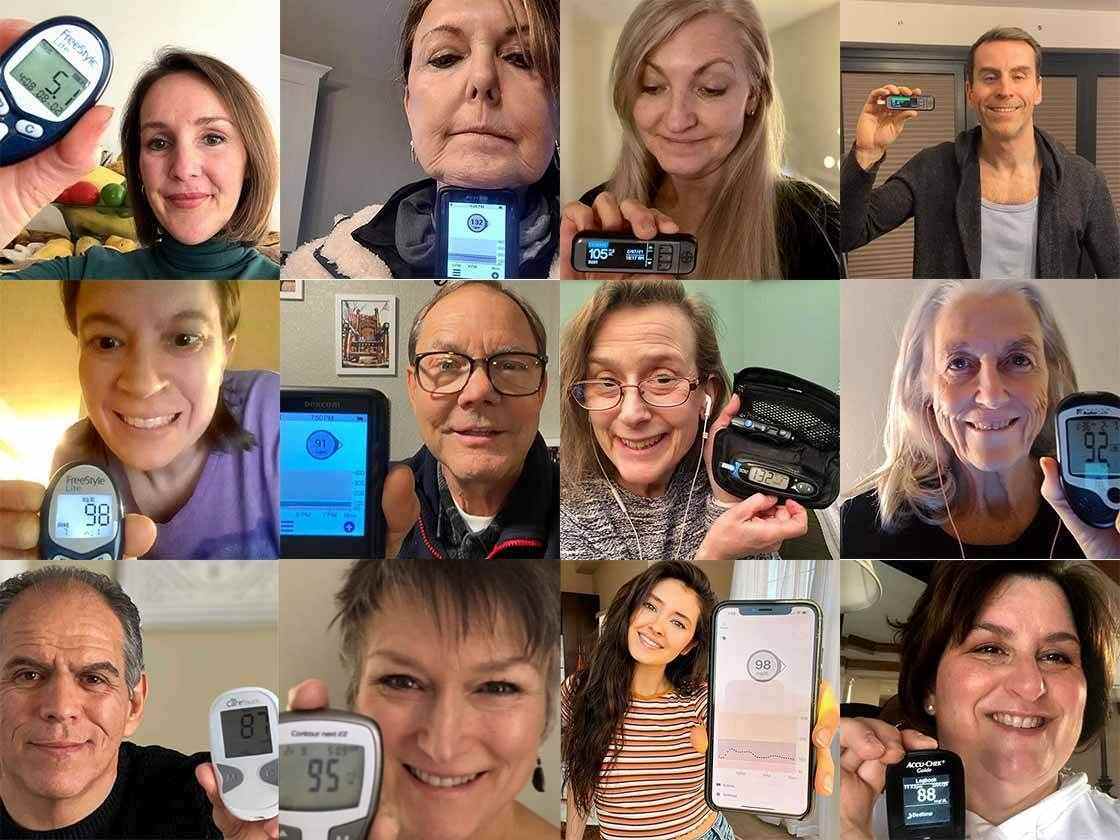
Your results are guaranteed. Join more than 10,000 ecstatic members today
Personalized coaching puts you in immediate control of your diabetes health, helps you gain energy, improves your quality of life, and reduces or eliminates your meds.