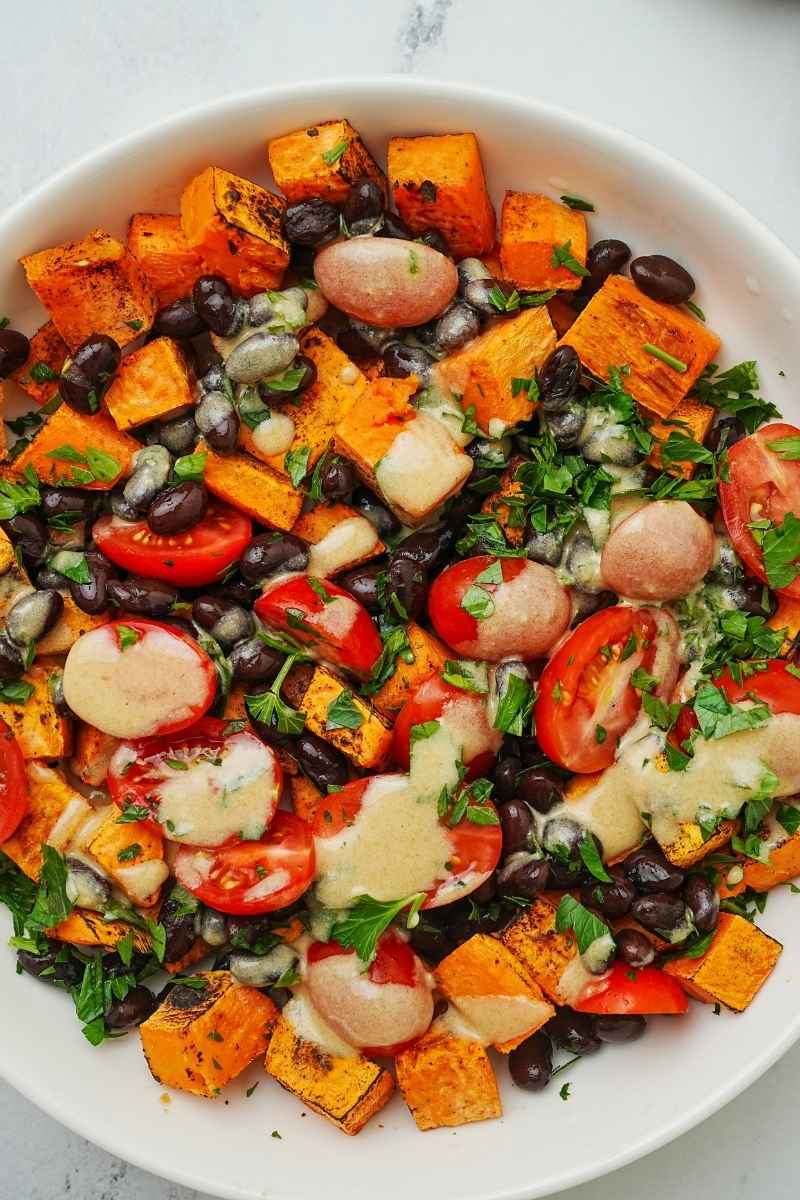

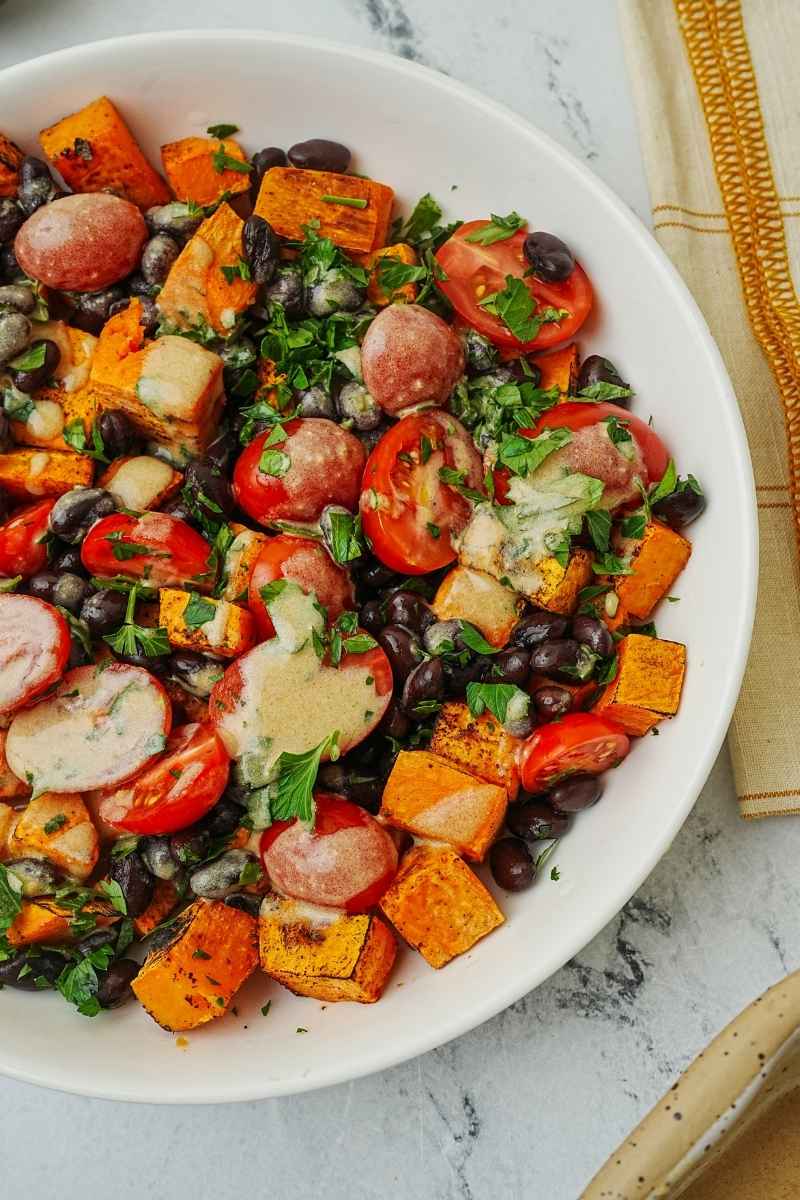
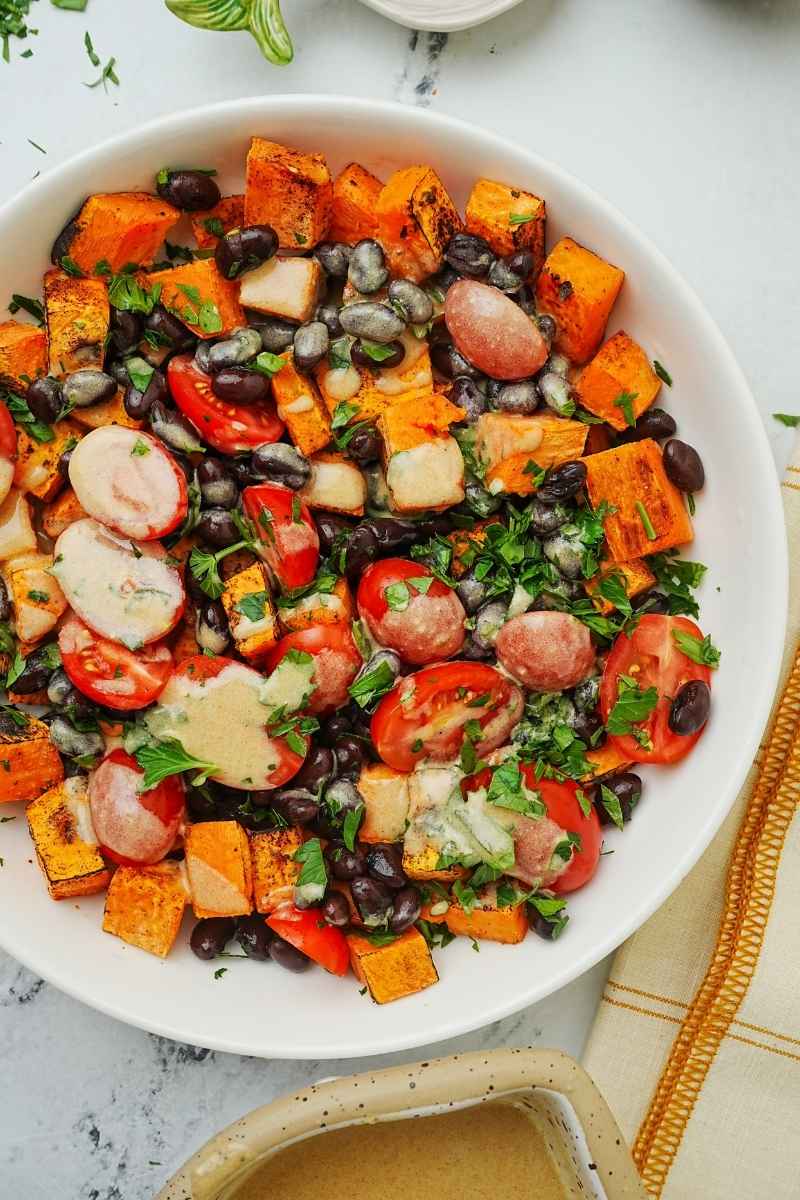
This one is a crowd-pleaser! Who doesn’t love a classic tex-mex combo of sweet potatoes and black beans? We can’t imagine there’s someone but for anyone on the fence, the tahini sauce makes it an obvious home run.
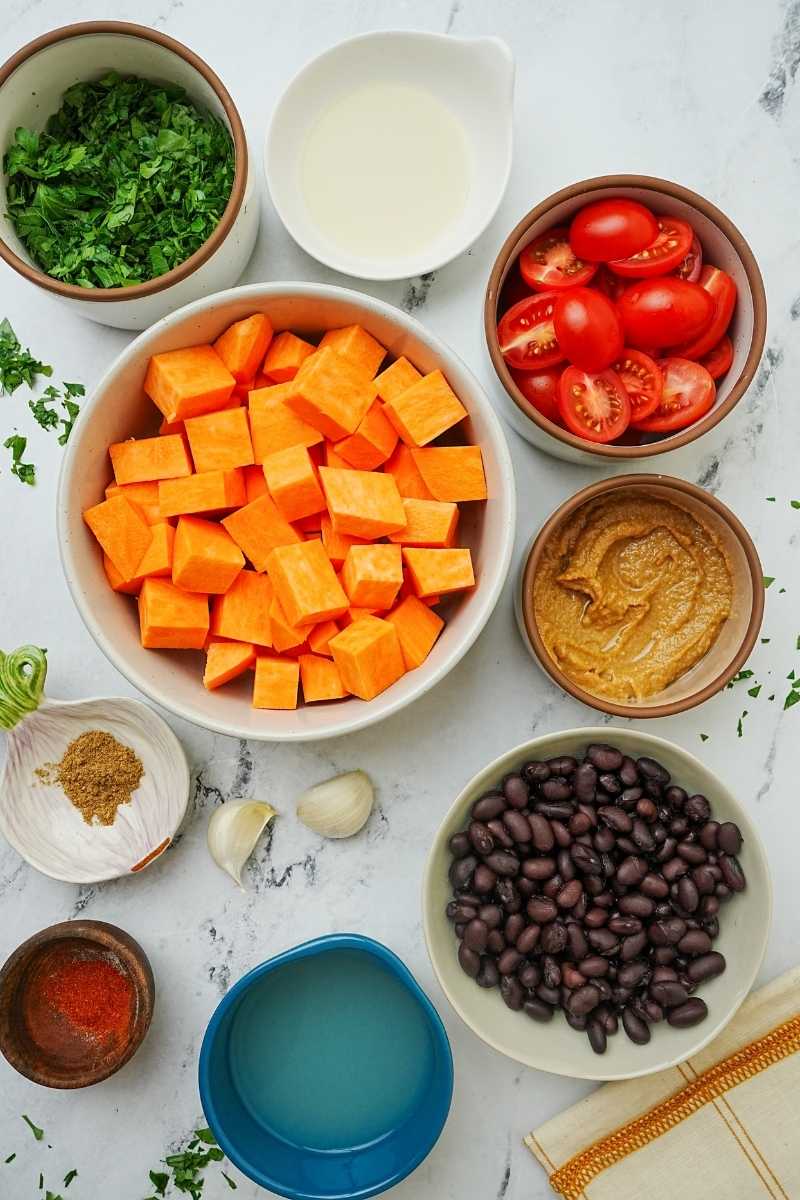
Sweet (& Savory) Potatoes Piled High
Sweet potatoes are a staple food used all over the world across multiple cultures. They are full of fiber and antioxidants, as well as essential minerals like potassium and magnesium, which play key roles in blood pressure regulation, insulin signaling, and overall metabolic function – so it’s no surprise that consuming sweet potatoes has been shown to support better blood glucose control.
Sweet potatoes also have a unique characteristic in which if they are eaten after they’ve been cooled (such as in leftovers or a salad like this) they are a good source of resistant starch. Resistant starch is not digested in the small intestine, so it doesn’t create a spike in blood glucose and actually slows the digestion of other carbohydrates eaten with it as well. Regularly consuming resistant starch improves insulin sensitivity – which is what we’re all about here at Mastering Diabetes!
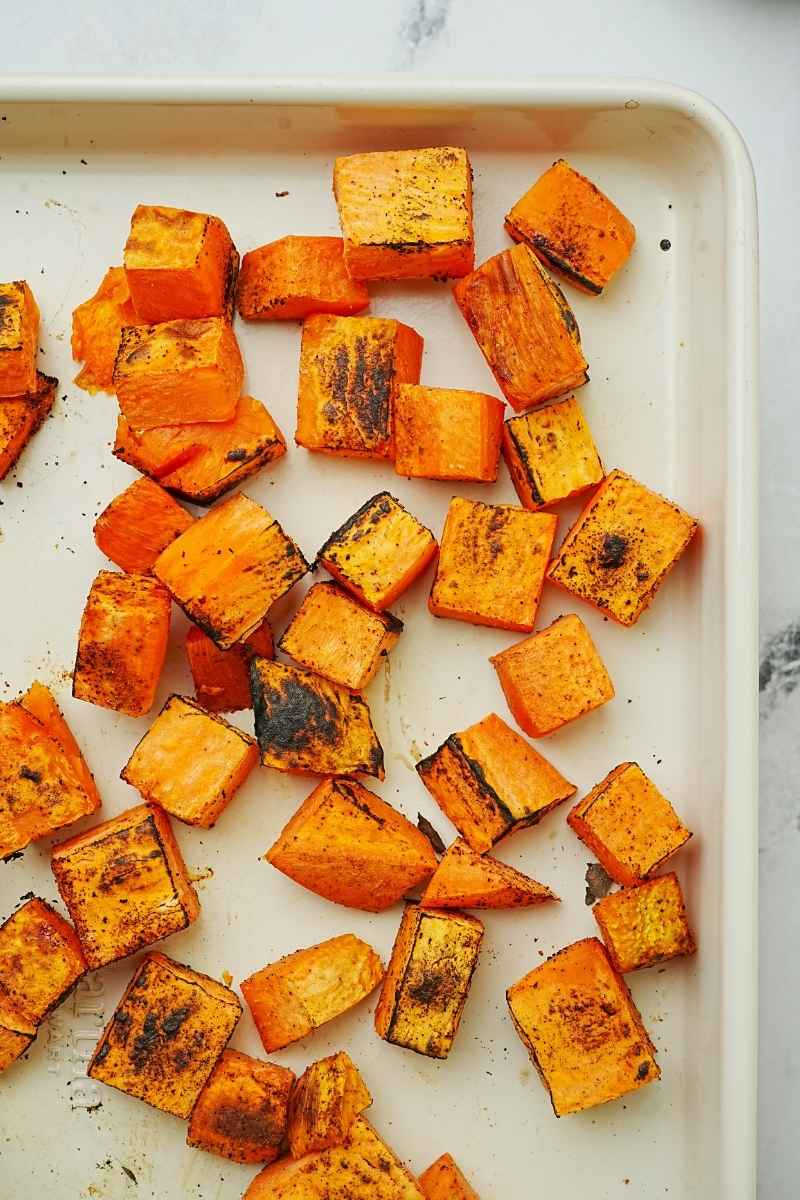
The cumin, cinnamon, and paprika bring out both the savory and sweet flavors of the sweet potatoes. Baked to perfection to be crispy on the outside and soft on the inside – it’s the perfect base for this meal.
Black Beans: Good for Now, Good for Later
Believe it or not, beans are high in resistant starch, too! They are also great sources of fiber and plant-based protein, which helps make the meal more filling. Furthermore, beans are known to create what is called a “second meal effect”, where they not only lower a person’s blood glucose response for the meal in which they are eaten, but also the following meal. Pretty impressive!
In addition to diabetes, eating beans is also associated with a lower risk of cardiovascular disease. This is important because the top cause of death for someone with diabetes is actually heart disease.
Black beans are a classic pairing with sweet potatoes, and for good reason! If you don’t already know, you’ll understand when you eat this meal.
A Little Herbology in Your Bowl
Parsley is a nutrient-dense, medicinal herb that has been traditionally used in Chinese and Ayurvedic medicine to support liver function and detoxification. Since the liver plays a key role in glucose metabolism, keeping it healthy can indirectly support blood sugar regulation.
Modern-day studies show that parsley contains antioxidants that help reduce oxidative stress and inflammation, and boost the immune system. Parsley is also known to be beneficial for digestion, easing gas, bloating, and indigestion. (If you’re new to a plant-based diet, this might be particularly beneficial for you!)