
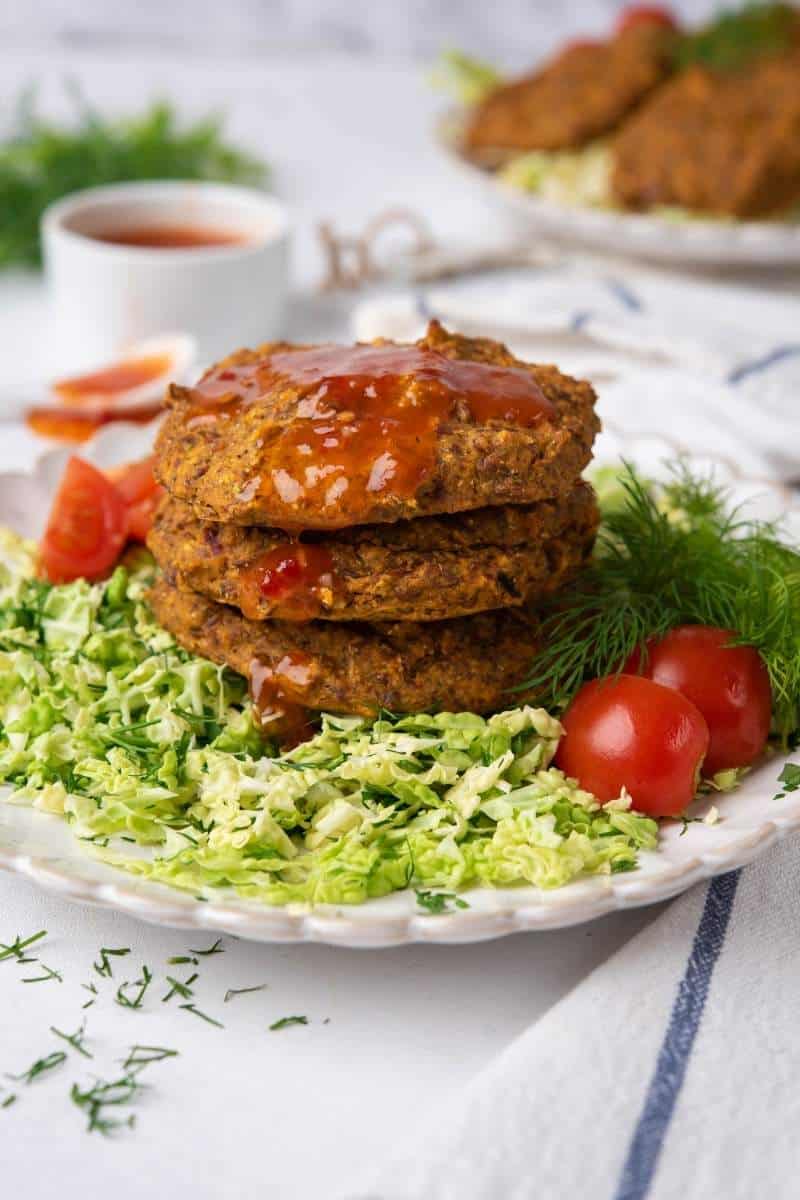
These are not the bland boca burgers you remember seeing years ago. Veggie burgers have experienced quite the glow-up in the last decade, especially when they are homemade with fresh ingredients like these!
Tip: Double the recipe and stick half in the freezer. These freeze well and are easy to pull out and reheat in the toaster or oven when you need a quick meal.
Pumpkin Is A Fan Favorite
The fall season of all things pumpkin and squash is upon us, but you can enjoy these foods any time of year. There’s a reason this vegetable gets so much love: it’s sweet, earthy, tender, and versatile. In this recipe, pumpkin lends not only its classic flavor and soft texture, but it also acts as a natural binder to keep the veggie burger held together.
There are numerous studies showing that pumpkin has a beneficial effect on diabetes symptoms, particularly lowering blood sugar levels. Natural compounds in pumpkin may help your body release more insulin as well as a gut hormone that keeps blood sugar steady. These compounds can also slow how fast carbohydrates are broken down and act as antioxidants, which helps protect the pancreas.
Zucchini: An Unsung Hero
Zucchini is often the sneaky star of veggie burgers. If you’ve ever had zucchini bread before, then you understand how this vegetable can go unnoticed while being a key ingredient. This is because zucchini naturally releases moisture which helps with texture and binding, but has a soft flavor that isn’t overpowering and actually absorbs and enhances other flavors.
Nutritionally, zucchini contains compounds that act as antioxidants and have anti-inflammatory effects. In laboratory studies, zucchini has been shown to balance or cancel out the effects of harmful molecules and slow the growth of bacteria, meaning that it helps prevent the development of disease.
A 2020 research study showed that eating zucchini helps to abate the effects of a high fat diet. The researchers fed rats a high-fat diet and added different amounts of zucchini (10%, 15%, or 20%) to see if it helped heart health. After 8 weeks, the high-fat-only rats had worse cholesterol and triglycerides, while the groups eating zucchini had lower total and LDL cholesterol. Those eating 15% or 20% zucchini also gained less weight and their heart, spleen, and kidney changes from the high-fat diet looked less harmful. That’s pretty impressive. Imagine what zucchini could do for you if you were also eating in a way that supports your health!
Flax (Flax Egg)
When you mix ground flax with water, it turns into a silky gel (often called a “flax egg”) that binds beans, grains, and vegetables together without making the patty heavy. The result? Burgers that shape easily and don’t crumble once baked. Flavor-wise, flax is subtle so it takes a backseat to the bolder flavors that you want to stand out.
Flaxseed is most well-known nutritionally for being a strong source of omega-3 fatty acid alpha-linoleic acid. It also contains lignans and polysaccharides that have positive effects on disease prevention. What many people don’t know is that flaxseed also benefits diabetes! In a review of 13 clinical trials, flaxseed lowered A1c in people with type 2 diabetes—especially in those whose blood sugar was higher to begin with.
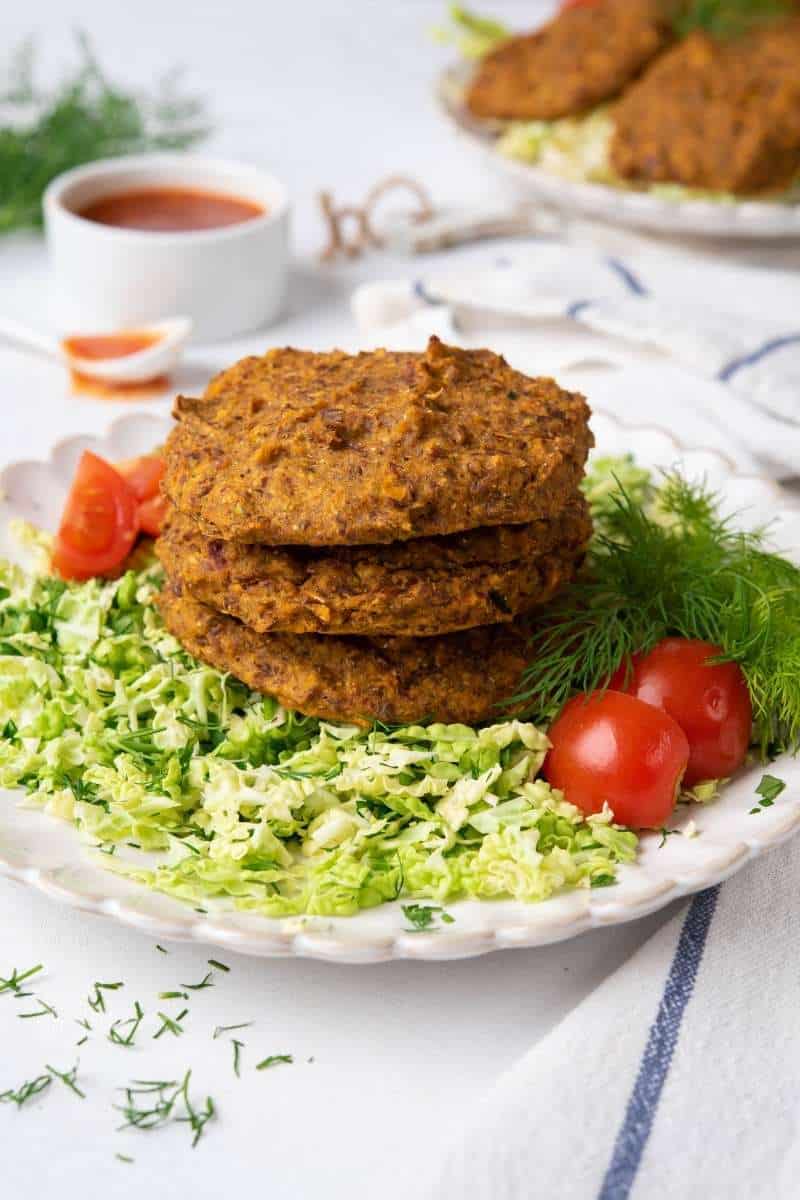
Be Creative With Your Burgers
Veggie burgers are a versatile food! Don’t confine yourself to just eating these on a whole grain bun. You can eat these in a lettuce wrap, chopped up on top of a salad, or mixed in with a bowl of rice or quinoa. They also make a great snack, smeared with hummus or your other favorite spread. For the easiest reheating experience, you can pop one right in the toaster!
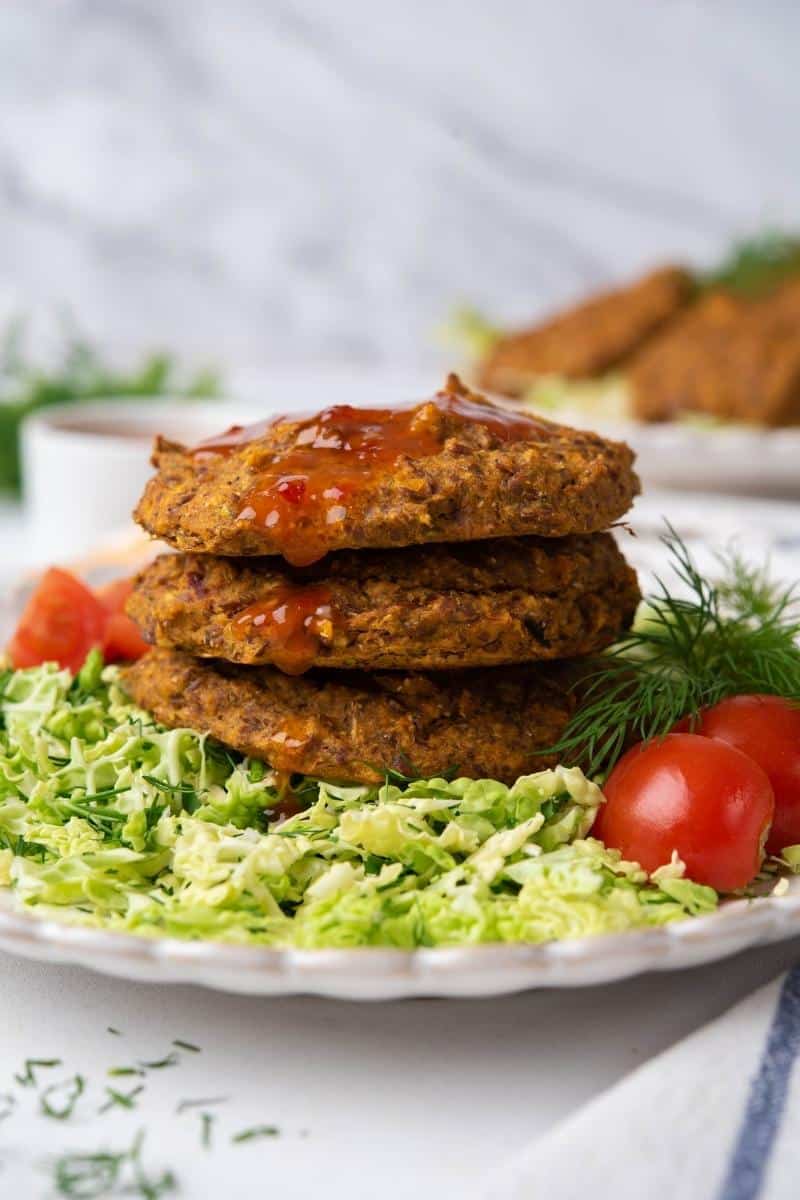

Pumpkin Veggie Burgers
Ingredients
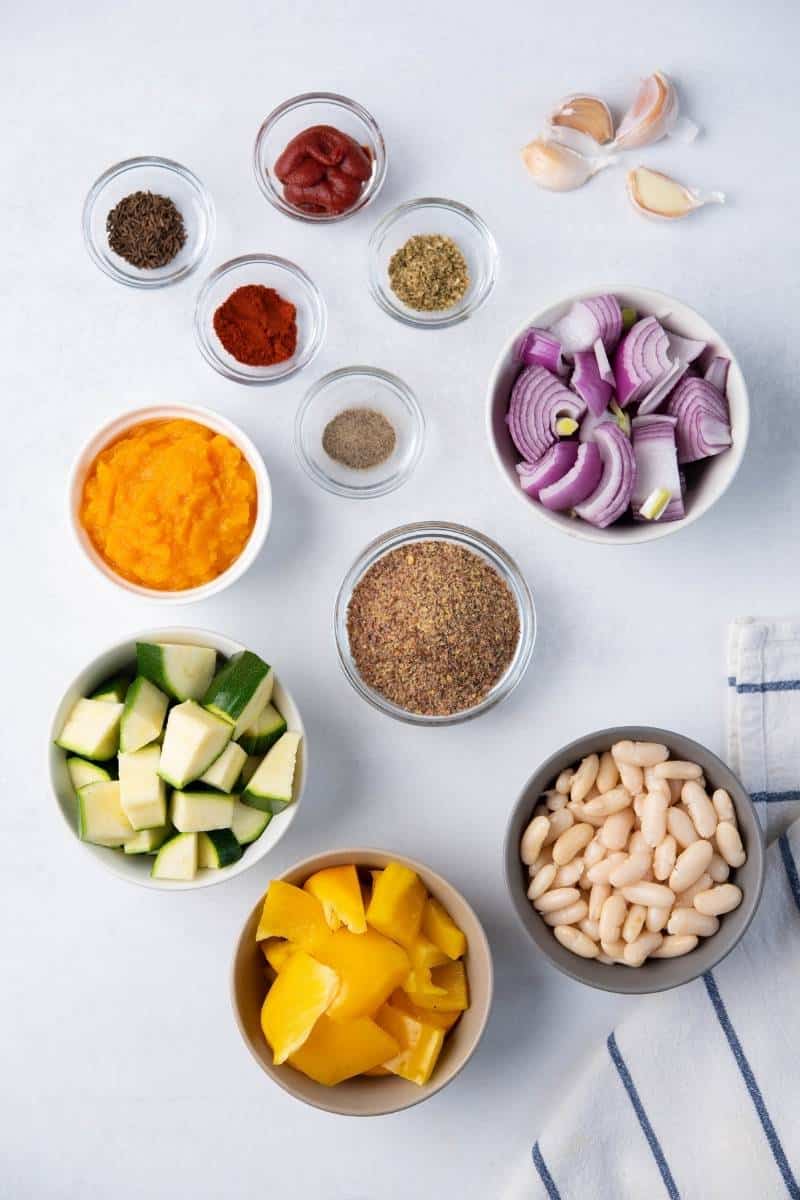
- 1 cup (182g) White Navy Beans (canned, drained, and rinsed) - About ½ of a 15-ounce can
- ⅔ cup (163g) Pureed Pumpkin - About 2/5 of a 15-ounce can
- 1 cup (195g) Red Onion (coarsley chopped) - About 2 medium red onions
- 1 cup (150g) Yellow Bell Pepper (coarsley chopped) - About 1 ¼ medium bell peppers
- 1 cup (148g) Zucchini (coarsley chopped) - About ¾ of a medium zucchini
- 4 (12g) Garlic Cloves - About 1 small bulb
- 1 tsp (2g) Cumin - Available in spice jars
- 1 tsp (2g) Oregano - Available in spice jars
- ½ tsp (1g) Paprika - Available in spice jars
- ½ tsp (1g) Black Pepper - Available in spice jars
- 1 ⅓ tbsps (21g) Tomato Paste - Available in 6-ounce cans
- ⅓ cup (38g) Ground Flax Seeds - Available in 15-ounce bags
Instructions
- Preheat oven to 400ºF and line a baking sheet with parchment paper.
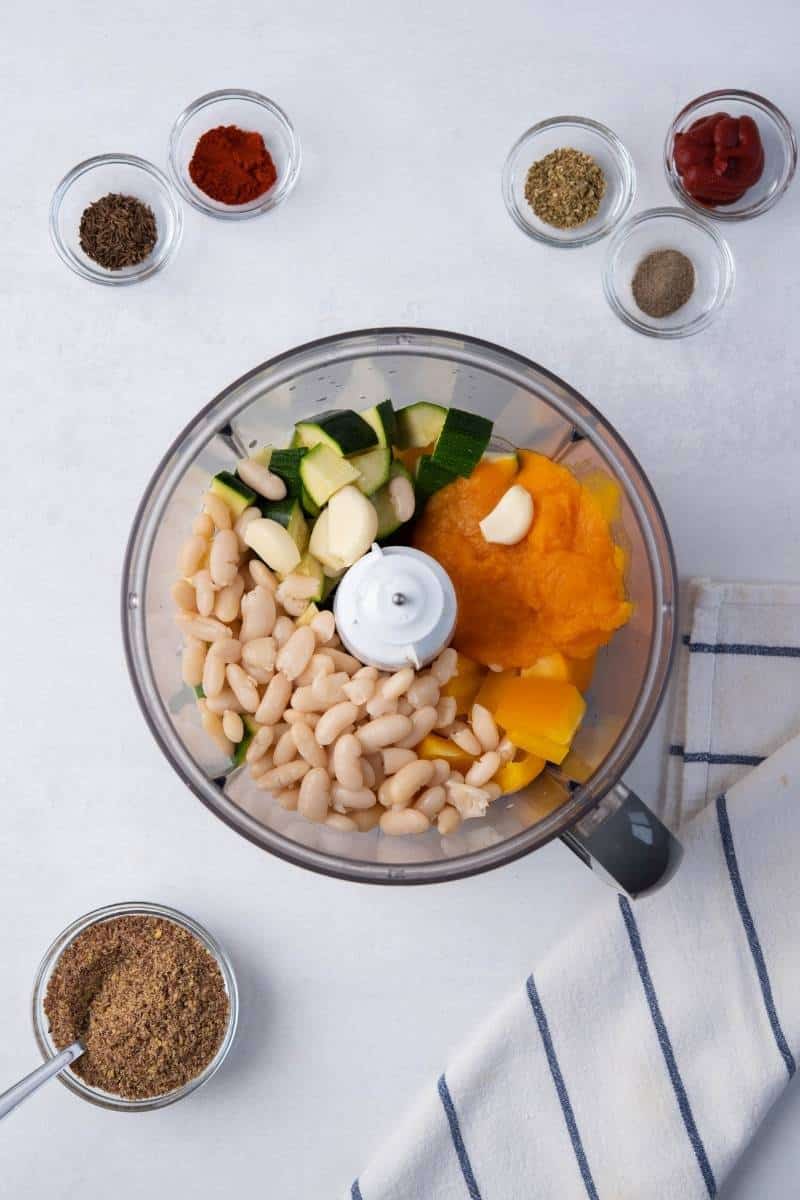
- Add the white navy beans, pureed pumpkin, red onion, yellow bell pepper, zucchini, and garlic into the food processor, and pulse until smooth.
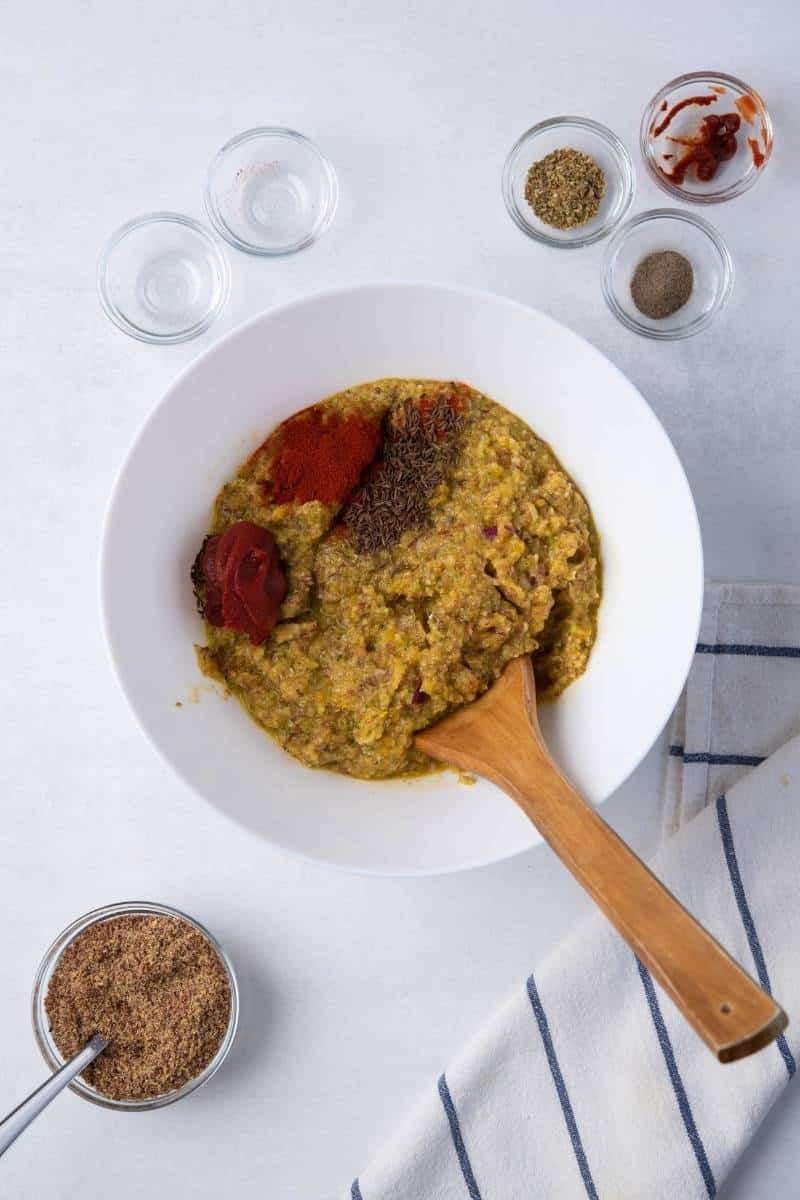
- Transfer to a large mixing bowl and add in all remaining ingredients. Mix until a thick batter has formed and transfer to the fridge to thicken for 15 minutes.
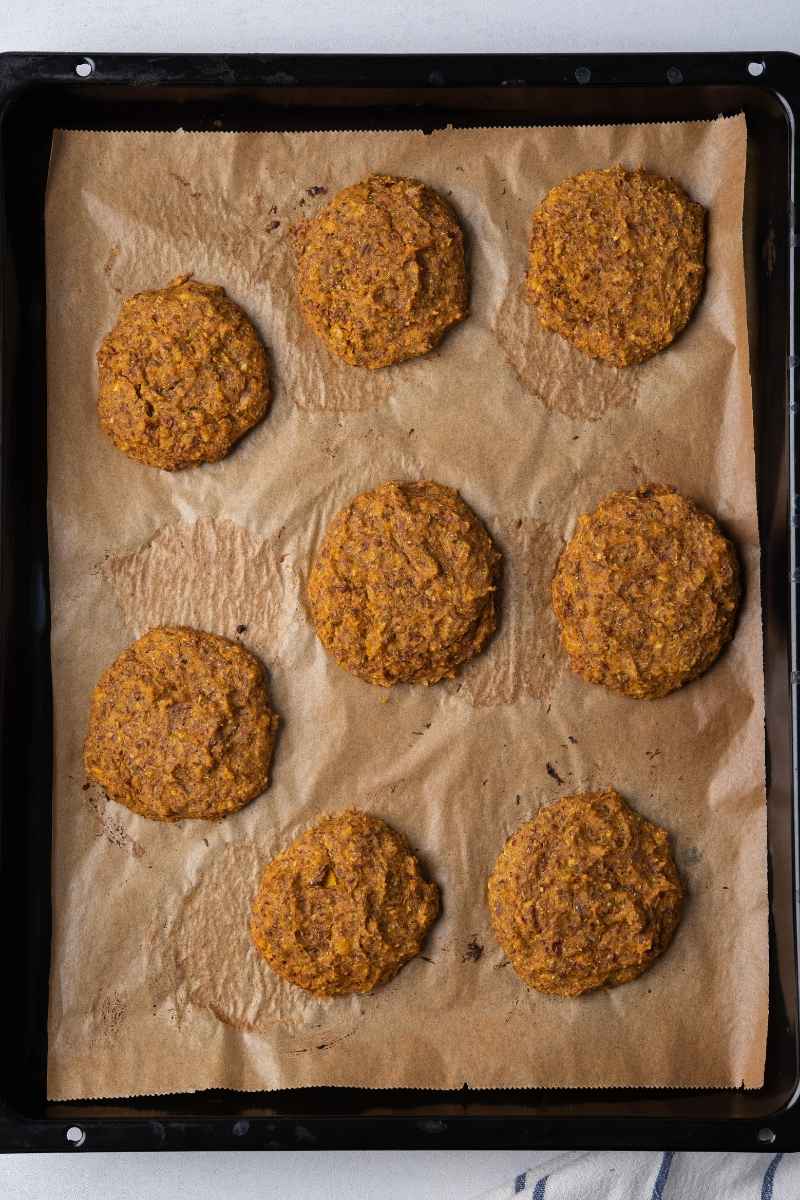
- Form the mixture into patties and place on the baking sheet. Bake for 40 minutes, carefully flipping at the halfway point. Burgers should be golden brown on the bottoms.
- Remove the burgers from the oven and enjoy!
Notes
- Too Wet: The mixture will be wet, but you should still be able to form patties with it. If the mix is too wet, add-in more flax seed, 1/4 tsp at a time until it reaches a consistency where you are able to form it into patties.
- Topping Ideas: Tomato, lettuce, onion, mustard, pickles, or hot sauce.
- Serve It On: Bed of greens, lettuce wrap, brown rice tortilla, or sweet potato toasts.
- Perfect Burgers: Use the lid of a mason jar to shape burgers into perfect circles