
Meet Beth. She had never thought of herself as someone at risk for diabetes.
She exercised regularly, maintained a healthy weight, and believed she ate a nutritious diet. So when she went in for a routine Medicare wellness check, she wasn't expecting her blood sugar to be a concern.
Then her A1c came back at 6.4%.
The result surprised Beth, but it also puzzled her doctors. She didn't fit the profile they expected for someone developing type 2 diabetes, so they ordered additional testing to better understand what was happening.
That's when they discovered something important.
Beth had a GAD antibody level of 250, far above the normal range she had been given of 0 to 5. She was ultimately diagnosed with latent autoimmune diabetes in adults, or LADA, sometimes called type 1.5 diabetes.
Her endocrinologist explained that because LADA is an autoimmune form of diabetes, Beth could eventually require insulin.
But Beth wanted to know what she could do in the meantime.
Rather than waiting for her condition to progress, she began searching for ways to improve her insulin sensitivity and support her metabolic health. That search eventually led her to Mastering Diabetes.
Years later, Beth has lowered her A1c from 6.4% to 5.6% and has continued managing her blood sugar without insulin.
For someone who had been told insulin would likely become part of her future, every additional year has made that transformation even more meaningful.
An Unexpected LADA Diagnosis Changed Her Priorities
Beth was already paying close attention to her health before her diabetes diagnosis.
After being diagnosed with breast cancer in 2021, she had spent considerable time learning about nutrition and making changes to her diet. She rarely ate red meat, exercised consistently, and considered herself a healthy eater.
Her elevated A1c seemed to come out of nowhere.
The positive GAD antibody test provided an explanation.
LADA differs from type 2 diabetes because it involves an autoimmune attack on the insulin-producing beta cells of the pancreas. Beth understood that nutrition could not eliminate the autoimmune nature of her condition, but she also learned that improving insulin sensitivity could help her body make more efficient use of the insulin available to her.
That distinction gave her something actionable to focus on.
Beth began researching, discovered Mastering Diabetes, visited the website, and eventually bought the Mastering Diabetes Book. The information resonated with her. Then she learned about the Mastering Diabetes Coaching Program.
She decided to sign up, a decision she now describes as one of the best she has ever made.
Learning How to Improve Insulin Sensitivity
Once Beth began working with her coach, she quickly discovered there was still a great deal she didn't know about nutrition. She genuinely believed she was eating well.
But some of her everyday choices included foods like Rice Chex, toast, and gluten-free crackers. Because Beth also has celiac disease, choosing gluten-free foods had naturally become an important part of managing her health.
Through Coaching, she learned that gluten-free did not automatically mean a food was ideal for her blood sugar or insulin sensitivity. That distinction changed the way she approached her meals.
Instead of simply categorizing foods as healthy or unhealthy, Beth began paying closer attention to how individual foods affected her glucose and started building more of her meals around whole plant foods.
For someone living with LADA, improving insulin sensitivity became especially important.
Beth couldn't control the autoimmune component of her diagnosis, but she could focus on creating an environment in which the insulin available to her could work as efficiently as possible.
Beth’s Before and After Results
As Beth consistently applied what she learned, her results steadily improved.
Header | Before | After |
|---|---|---|
A1c (%) | 6.4 | 5.6 |
GAD Antibody (U/ml) | 250 | – |
Insulin | Expected to eventually need insulin | No insulin for years since diagnosis |
Energy | Noticeable highs and lows | More sustained throughout the day |
Food Choices | Mostly refined and processed foods | More whole, plant foods |
Glucose Awareness | Limited monitoring | Continuous glucose monitoring |
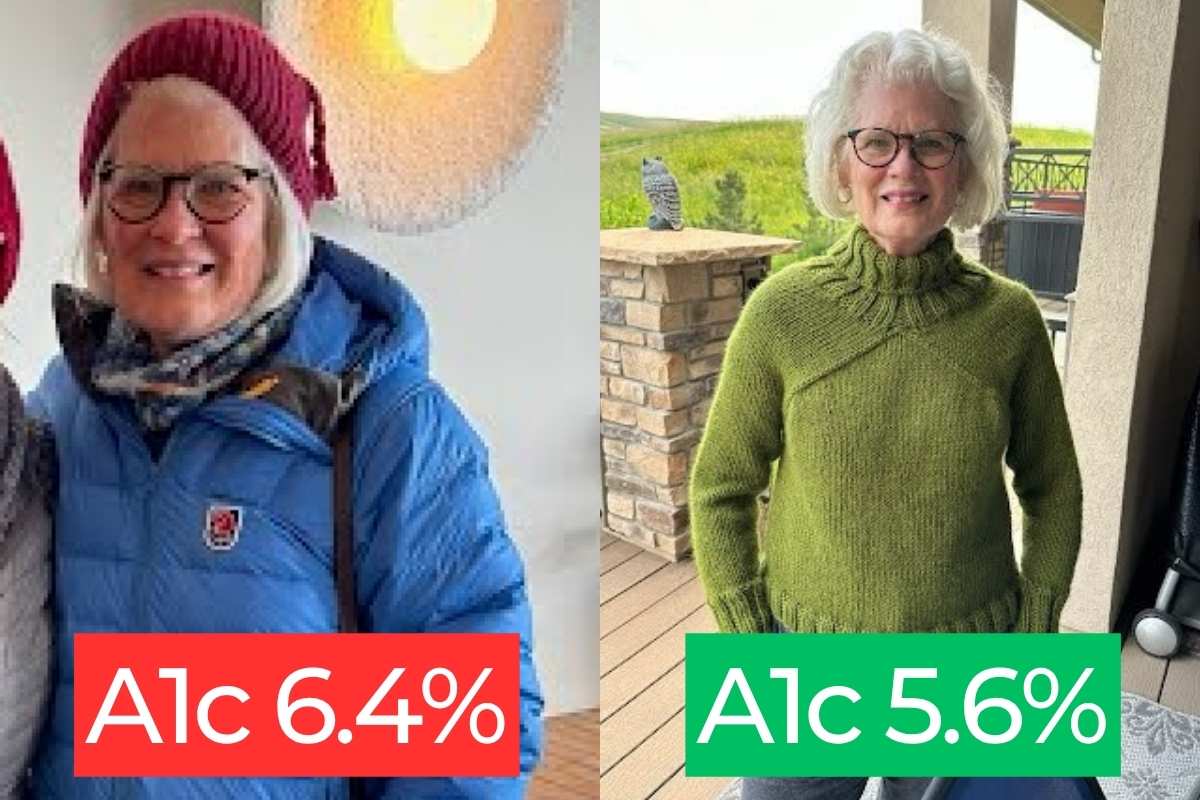
Beth lowered her A1c from 6.4% to 5.6%, but the result she finds especially meaningful is the amount of time she has continued without needing insulin.
She understands that LADA can progress and that insulin may eventually become necessary. Her success isn't about claiming she has reversed an autoimmune condition or guaranteeing that she will never need insulin.
Instead, her goal has been to improve insulin sensitivity, carefully monitor her blood sugar, and support her metabolic health for as long as possible.
Years after receiving a diagnosis that came with the expectation of eventual insulin therapy, she continues pursuing that goal.
Using a CGM to Understand Her Blood Sugar
One of the most valuable tools Beth discovered through the Mastering Diabetes Coaching Program was continuous glucose monitoring.
Before the program, she had begun checking her fasting blood glucose with finger sticks. Linda suggested that she speak with her healthcare team about getting a continuous glucose monitor.
Beth did, and she still wears one today.
Suddenly, she could see what was happening to her glucose throughout the day instead of relying on isolated readings.
But having more data did not automatically mean understanding it. That's where coaching became particularly valuable.
Her coach helped Beth interpret what she was seeing, identify patterns, and understand how different meals affected her blood sugar.
The CGM became more than a device displaying numbers. It became a learning tool.
Beth could experiment with her food choices, watch her response, and use that information to make decisions that supported her goal of maximizing insulin sensitivity.
Learning That Whole Foods Could Keep Her Satisfied
Changing her diet also taught Beth something unexpected about hunger.
At first, eating differently made it difficult to recognize when she was actually full.
She had become accustomed to the feeling that came from eating foods like toast, crackers, and other refined foods. Meals built around whole plant foods created a different sensation.
Initially, she interpreted that difference as hunger. Over time, she realized she wasn't hungry at all. She was simply learning what it felt like to be satisfied by different foods.
Today, that feeling has become normal.
When she does want a snack, her instincts have changed too. Instead of automatically reaching for crackers, she is more likely to choose carrots or berries.
Those small decisions became part of a larger lifestyle designed to support her health every day.
More Stable Energy at 74
Beth has remained physically active throughout her journey and still exercises almost every day.
At 74, she understands that occasional tiredness is part of life. But she also recognizes a clear difference between normal fatigue and the energy fluctuations she experienced before changing her diet.
Today, her energy feels more sustained throughout the day. The highs and lows are less pronounced.
She might occasionally want a short afternoon nap, but she no longer experiences the same periods of feeling drained or unwell.
Combining regular exercise with the foods she now eats has helped her remain active and feel better physically.
For Beth, those quality-of-life improvements matter alongside her A1c and glucose readings.
Why Coaching Made the Difference
Beth had already read the Mastering Diabetes book before joining Coaching.
The book helped her understand the approach. Coaching helped her apply it to her own life with LADA.
Working directly with her coach helped Beth identify foods she hadn't realized were working against her goals, understand her CGM data, recognize how different meals affected her, and develop habits she could maintain.
That individualized support was especially important because Beth's situation wasn't a typical type 2 diabetes story. She was navigating an autoimmune form of diabetes and trying to understand what she could realistically influence.
Coaching helped her focus on those factors without losing sight of the nature of her diagnosis.
Looking back, Beth says the investment was more than worthwhile. She feels better, eats differently, understands her blood sugar more clearly, lowered her A1c from 6.4% to 5.6%, and has continued for years without needing insulin.
Focusing on What She Can Control
Beth is realistic about her future.
She knows that LADA is progressive and that insulin may eventually become necessary. If that day comes, using insulin will not mean she failed.
Her objective has always been to take care of the metabolic factors she can influence.
She can choose what she eats. She can exercise. She can monitor her glucose. She can prioritize insulin sensitivity. And she can continue working with her healthcare team as her needs change.
That perspective has transformed an unexpected diagnosis from something she could only worry about into something she could actively respond to.
Rather than waiting to see what happened, Beth chose to become an active participant in her own health.
What Beth Wants Others to Know
Beth doesn't hesitate to tell other people about Mastering Diabetes.
When friends, family members, or even people she meets at the gym mention concerns about their A1c or blood sugar, she shares what worked for her.
Her message is especially clear when it comes to taking action: Don't wait.
For Beth, discovering her elevated A1c during a routine wellness check gave her an opportunity to act early. She took that opportunity seriously.
Today, years after learning that she had a strongly positive GAD antibody test and LADA, she has lowered her A1c to 5.6%, remains active, experiences more stable energy, understands her glucose patterns, and has continued without insulin despite being told it would likely become necessary as her condition progressed.
She knows no one can predict exactly what the future will bring.
But she also knows that everything she has learned has helped her approach that future with far more knowledge, confidence, and control.
Ready to See Results Beth?
If you're living with LADA or type 1.5 diabetes and wondering what you can do to support your metabolic health, Beth's story demonstrates the value of focusing on the factors within your control.
Book a free discovery call with one of our advisors and learn how to begin your own transformation.
Lower Your A1c and Fasting Blood Sugar... Guaranteed
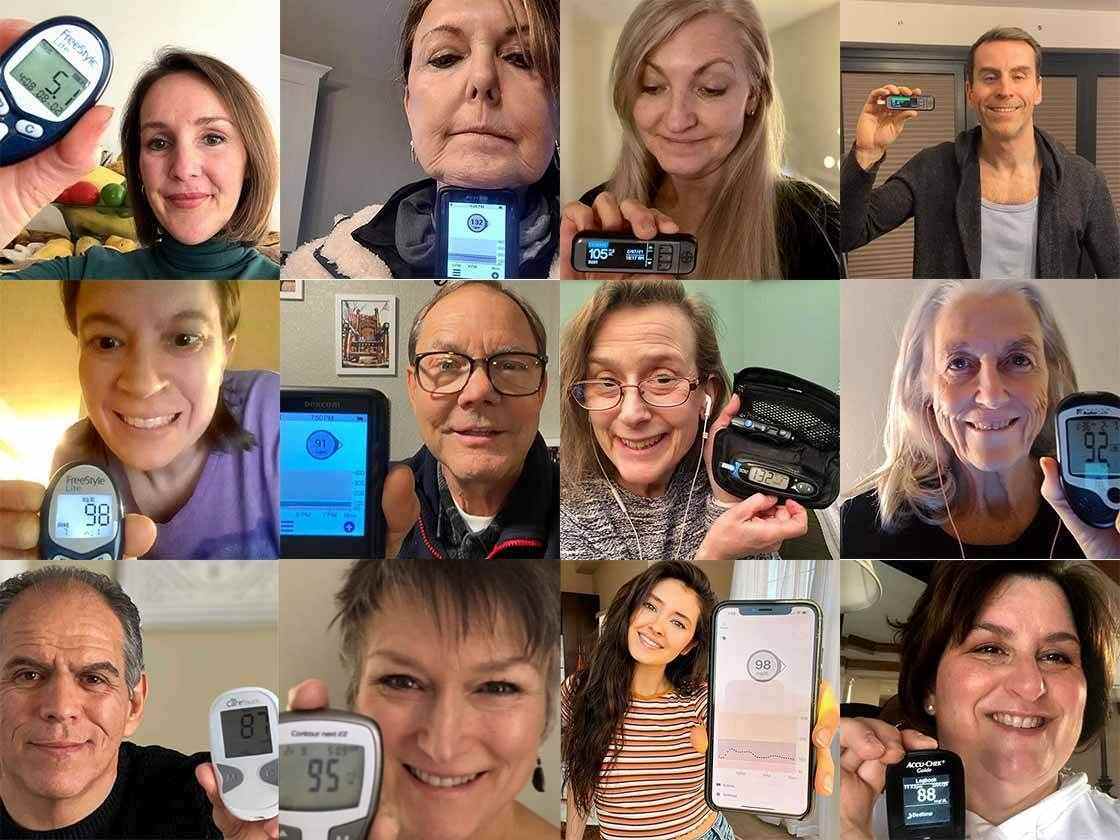
Your results are guaranteed. Join more than 10,000 ecstatic members today
Personalized coaching puts you in immediate control of your diabetes health, helps you gain energy, improves your quality of life, and reduces or eliminates your meds.