

If you’ve been told to “just eat more vegetables” to lower your blood sugar, you’re not wrong, but you’re missing the most important part.
Not all fiber works the same. Not all doses work the same. And most people are eating far below the range that actually improves blood sugar.
Today, you’ll learn the exact amount of fiber shown in randomized controlled trials to lower blood sugar, improve insulin sensitivity, and reverse the root cause of chronically high glucose levels.
No guesses. No vague advice. Just real numbers, real physiology, and real meals you can recognize.
Fiber Is Not a Digestive Nutrient, It’s a Metabolic Tool
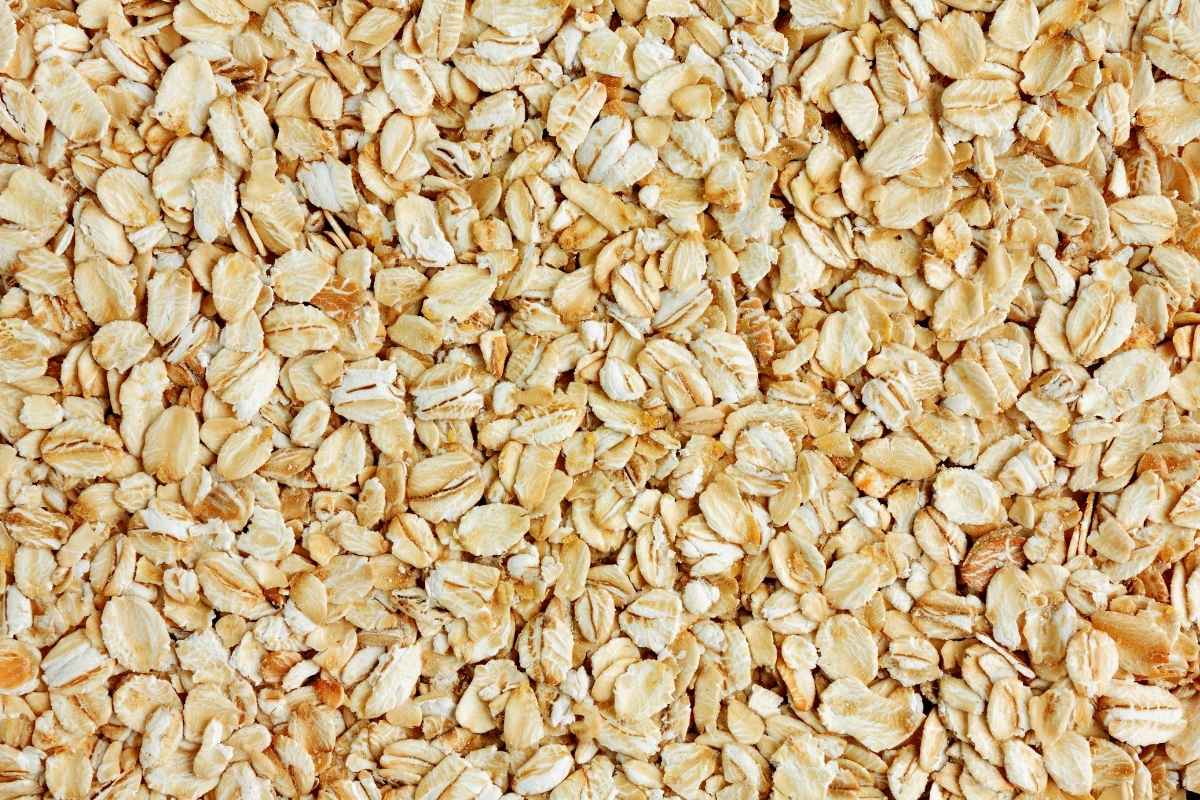
Most people think of fiber as something that helps with digestion or regularity, but when you actually look at the research, fiber stops being a digestive afterthought and becomes a powerful metabolic intervention.
A large systematic review published in PLOS Medicine analyzed 42 randomized controlled trials across:
They found that when total fiber intake increased to up to 35 grams per day, researchers consistently observed:
That’s one dietary variable (fiber) improving blood sugar, insulin sensitivity, lipids, inflammation, and long-term survival.
And these weren’t supplement studies. They were whole-food dietary patterns.
Why Fiber Lowers Blood Sugar (It’s Not Just “Blocking Sugar”)
Fiber works because it changes core physiology, not because it magically blocks glucose.
1. Fiber Slows Glucose Entry Into the Bloodstream
Soluble fiber forms a viscous gel in the digestive tract. This:
Instead of glucose flooding the bloodstream all at once, it enters gradually, requiring less insulin and placing less stress on insulin-resistant cells.
This is why many people notice fewer post-meal spikes within days of increasing fiber.
2. Soluble Fiber Directly Improves Insulin Sensitivity
A second meta-analysis focused specifically on soluble fiber — the gel-forming type found in:

Across 22 randomized controlled trials, consuming just 7–12 grams of soluble fiber per day led to:
Importantly, these benefits occurred independent of weight loss. Fiber was improving insulin signaling itself, not just reducing calories.
3. Fiber Improves Fasting Blood Sugar by Healing the Liver
Your liver releases glucose all night long to keep your brain alive. In an insulin-sensitive liver, insulin signals the liver to slow glucose release when enough glucose is already circulating.
But when the liver is insulin resistant, often because it’s storing excess fat, it doesn’t listen.

That’s why so many people wake up with high fasting blood sugar even when they barely ate the night before.
High-fiber diets improve this by:
This is why fiber consistently lowers fasting blood sugar — not just post-meal readings.
4. Viscous Fiber Has Direct Clinical Effects
There’s also compelling evidence from studies using psyllium, a viscous soluble fiber.
A 2024 meta-analysis of 19 randomized controlled trials found that psyllium intake led to:
These improvements occurred without major diet changes. Fiber wasn’t working because people ate less — it worked because it changed:
The Therapeutic Fiber Range (This Is the Number That Matters)
When you zoom out across decades of research, the therapeutic range becomes very clear:
That’s the range where studies consistently show:
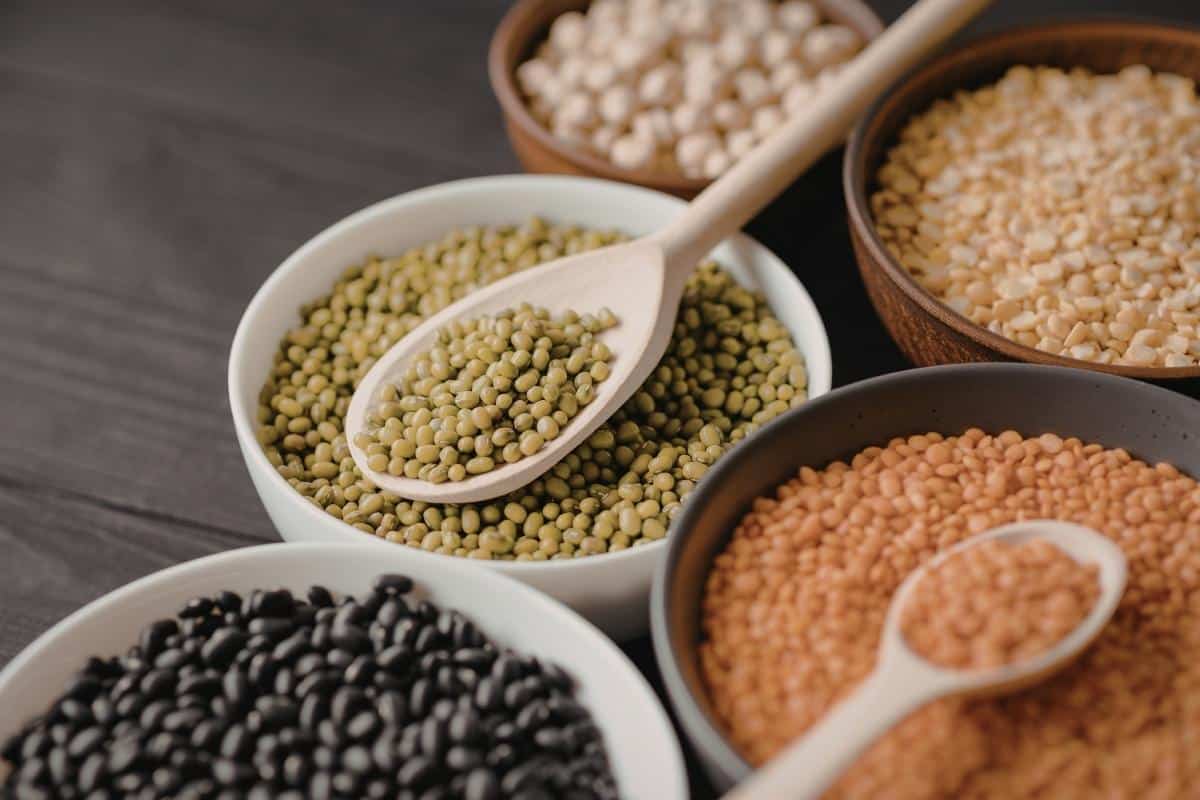
The problem? Most people are eating 12–15 grams per day. Not even half of the dose used in clinical trials.
What 35–45 Grams of Fiber Actually Looks Like (Real Food)
This does not require extreme eating or living on salads. It simply requires distributing fiber intelligently across the day.
Breakfast: Front-Load Fiber to Set the Day
Breakfast is the most powerful place to start.
A high-fiber, low-fat breakfast doesn’t just prevent a spike — it improves insulin sensitivity for later meals.
A perfect example is a Buckwheat Breakfast Cereal:
This easily provides 15–18 grams of fiber before noon.
Because it’s low in saturated fat and rich in soluble fiber, glucose enters the bloodstream slowly and energy stays steady.

Lunch: The Fiber Stack
Lunch is where fiber really adds up. A well-built bowl — like a Balsamic Roasted Tempeh Bowl — typically includes:
This delivers another 15–18 grams of fiber without feeling heavy. This combination:

Dinner: Finish Strong Without Overloading the Liver
Dinner doesn’t need to be complicated. A bowl, like a Curry Car-Bowl-Hydrate, typically contributes another 10–15 grams of fiber, because its built around:
Because dinner stays low in saturated fat and high in fiber, it supports calmer fasting numbers the next morning instead of pushing glucose higher overnight.

Why Fiber Must Be Paired With Low Saturated Fat
Fiber improves insulin sensitivity. Saturated fat blocks insulin signaling. You’re working against yourself if you’re eating high-fiber foods while also consuming large amounts of:
That’s why the Mastering Diabetes Method always pairs:
This combination clears fat from liver and muscle cells — the true cause of insulin resistance — allowing insulin to work properly again.
The Bottom Line
You don’t need fiber hacks. You don’t need powders or pills. And you don’t need extreme diets. You need:
That’s the same range used in clinical trials. And it works.
Want Help Putting This Into Meals?
If you want the exact meal plans we use to help people consistently reach this fiber range while keeping saturated fat low, book a free discovery call with one of our advisors today and learn how the Mastering Diabetes Coaching Program can help you reclaim your health.
Lower Your A1c and Fasting Blood Sugar... Guaranteed

Your results are guaranteed. Join more than 10,000 ecstatic members today
Personalized coaching puts you in immediate control of your diabetes health, helps you gain energy, improves your quality of life, and reduces or eliminates your meds.