
Meet Catherine. For years, she struggled with low energy, frequent illness, and everyday activities that left her feeling exhausted. Even simple tasks, like bending over to tie her shoes or keeping up with coworkers during a walk, could leave her short of breath.
She was also living with type 2 diabetes, dealing with persistent heartburn, and taking medications to manage her health.
But when she turned 50, a particularly difficult illness made her reconsider how she wanted to live.
What started as worsening allergies eventually led to a diagnosis of bronchitis. Catherine couldn't stop coughing, struggled to sleep, and ultimately needed emergency care.
The experience left her determined to make changes.
After discovering Mastering Diabetes, Catherine began developing new habits around food, movement, and emotional eating. Rather than focusing on temporary restrictions, she learned how to create a lifestyle she could maintain.
A few years later, Catherine describes her type 2 diabetes as being in remission. She reports taking no medications, feeling more energetic, and enjoying physical activities that once seemed impossible.
Her transformation wasn't about following a perfect diet. It was about making healthier choices consistently enough that they eventually became second nature.
When Everyday Life Became Exhausting
Catherine lives in central Louisiana and had been experiencing health challenges for years.
She was living with type 2 diabetes, struggling with low energy, and frequently feeling unwell.
Her allergies, which had never been particularly severe, began getting worse around the time she turned 50. Eventually, she developed a persistent cough that made sleeping difficult.
She visited her doctor, then urgent care, and finally an emergency room, where she was diagnosed with bronchitis.
Catherine had never experienced a respiratory infection like that before. The illness was frightening and exhausting, and she didn't want to feel that way again.
But her concerns extended beyond that episode. Everyday physical activities were becoming increasingly uncomfortable.
When Catherine bent over to tie her shoes, she sometimes felt as though she couldn't breathe.
Walking around the parking lot with coworkers left her breathing heavily as she struggled to keep up.
Even running across her yard could cause chest discomfort.
She also experienced frequent heartburn, something she had dealt with since her teenage years.
Her energy was so low that she often wanted to spend the day napping.
Catherine knew she didn't want to continue feeling this way as she grew older. She wanted to remain independent, stay active, and enjoy life without constantly worrying about her health.
Discovering a More Sustainable Approach with Mastering Diabetes
When Catherine began following Mastering Diabetes, she realized that improving her health would require more than simply changing what she ate for a few weeks.
She needed to develop habits she could maintain over time. One of the most valuable things she learned was how to plan and prepare meals.
Tracking her food helped her become more aware of her eating patterns, while weekly meal preparation made it easier to stay consistent. But the process involved trial and error.
Some recipes were meals she genuinely enjoyed. Catherine began keeping a collection of favorites she could prepare repeatedly. This simplified her routine and reduced the effort required to make daily food decisions.
She also discovered that her preferences could change.
When she tried an unfamiliar grain or vegetable, she didn't immediately give up if she disliked it. Instead, she sometimes tried it several more times over the following week or experimented with different recipes.
Gradually, she became more comfortable with foods that hadn't previously been part of her diet.
For Catherine, these changes helped transform healthy eating from a temporary project into an established routine.
Catherine's Before and After Results
Catherine's results showed meaningful changes in her daily life.
Header | Before | After |
|---|---|---|
Type 2 Diabetes | Living with type 2 diabetes | Reports being reversed |
Medication | Taking several medications | NONE |
Energy & Physical Activity | Frequently tired. Shortness of breath during everyday activities | Energized. Walking regularly and beginning jogging intervals |
Heartburn | Longstanding heartburn since her teenage years | Reports identifying dietary oil as a trigger |
Eating Habits | Emotional and mindless eating | More mindful eating and established meal routines |
She reports that her type 2 diabetes is in remission and that she no longer takes medications, apart from a multivitamin.
She also feels more energetic, has become more physically active, and notices improvements in activities that previously left her exhausted.
Overcoming Emotional Eating and Learning to Recognize Hunger
One of Catherine's biggest challenges wasn't understanding which foods to eat. It was recognizing why she was eating in the first place.
Catherine describes herself as someone who struggled with emotional eating. She often ate because she was bored or wanted something to do, rather than because she was physically hungry.
That made changing her habits particularly difficult. Simply being told to eat differently didn't address the reasons she reached for food.
Through her Mastering Diabetes experience, Catherine began paying closer attention to her hunger signals.
Before eating, she learned to ask herself whether she was actually hungry or simply looking for something to occupy her time.
If she recognized that she wasn't hungry, she tried finding another activity.
Sometimes that meant spending time on a hobby, working on her computer, or doing something else that kept her engaged.
She also began learning to stop eating when she felt satisfied rather than waiting until she was uncomfortably full.
This wasn't an immediate transformation. Catherine acknowledges that emotional eating remains something she continues working on. But she has made significant progress.
She feels more aware of her habits and better equipped to recognize situations when she might previously have eaten without thinking.
Most importantly, she no longer expects herself to make perfect choices every day.
If she eats something outside her usual routine, she doesn't view it as a reason to abandon her progress. She simply returns to her preferred habits at the next opportunity.
That mindset has helped her maintain her lifestyle changes over the long term.
From Struggling to Walk to Trying Jogging Intervals
As Catherine continued building healthier habits, she began noticing changes in her energy and physical abilities.
Before Mastering Diabetes, keeping up with coworkers during a walk could leave her breathing heavily.
She also remembered experiencing chest discomfort when trying to run short distances. Now, she describes a very different experience.
She has more energy throughout the day and no longer feels the same need to nap constantly. Walking after meals has become an established part of her routine.
In fact, Catherine says the habit is now so familiar that she often starts walking without consciously reminding herself.
She has also begun experimenting with jogging intervals. At first, the idea seemed unrealistic.
Catherine had never considered jogging something she would enjoy or be able to do comfortably.
But after trying it, she was surprised by how she felt.
She reported no chest discomfort during her recent jogging attempts, a noticeable difference from her previous experiences.
Catherine also enjoys wearing smaller jeans and feeling more comfortable during everyday activities.
Bending over to tie her shoes no longer represents the same challenge it once did.
She feels more capable, more energetic, and more confident about remaining active as she gets older.
Although her experience with exercise has improved, her previous chest discomfort is a symptom that warrants medical evaluation, particularly before increasing exercise intensity.
For Catherine, these improvements have made healthy living feel rewarding in ways that extend far beyond laboratory results.
Building Habits That Last for Years, Not Weeks
One of the most important changes Catherine describes is how naturally her new habits fit into everyday life.
When she first began Mastering Diabetes, tracking food, preparing meals, and walking after eating required conscious effort.
She had to remind herself to make those choices. But after a couple of years, they no longer felt new. They had become part of how she lived.
Catherine doesn't describe her lifestyle as perfect.
There are days when she makes choices she wouldn't normally make, and there are times when she doesn't feel well enough to exercise.
She has learned to accept those moments without becoming discouraged.
Instead of viewing one difficult meal or missed workout as a failure, she focuses on what she can do next.
That flexibility has helped her avoid the all-or-nothing mindset that often makes lifestyle changes difficult to maintain.
She has also reconsidered her relationship with heartburn.
After experiencing it since her teenage years, Catherine began recognizing dietary oil as a trigger for her symptoms.
She had previously associated heartburn with acidic foods, but her experience led her to pay closer attention to the role of added oils in her meals.
The improvement was meaningful because heartburn had been part of her life for so long. Her motivation now extends beyond managing diabetes.
She wants to remain active as she grows older, enjoy time with her family, and avoid spending her later years feeling physically limited.
She doesn't want her life to revolve around organizing medications or discussing health problems.
She wants to have the energy to participate in the activities that matter to her.
When family members and friends ask whether she plans to return to her previous eating habits, Catherine sees little reason to do so.
She remembers how uncomfortable and exhausted she used to feel. Today, she is happier with her health and the way she lives.
For Catherine, the changes she made through Mastering Diabetes are no longer temporary. They are simply her lifestyle.
Ready to See Results Like Catherine?
If you're living with type 2 diabetes, struggling with low energy or emotional eating, or finding it difficult to maintain healthy habits over time, Mastering Diabetes can help you build a more sustainable approach to nutrition, movement, and everyday living.
Book a free discovery call with one of our advisors and learn how to begin your own transformation.
Lower Your A1c and Fasting Blood Sugar... Guaranteed
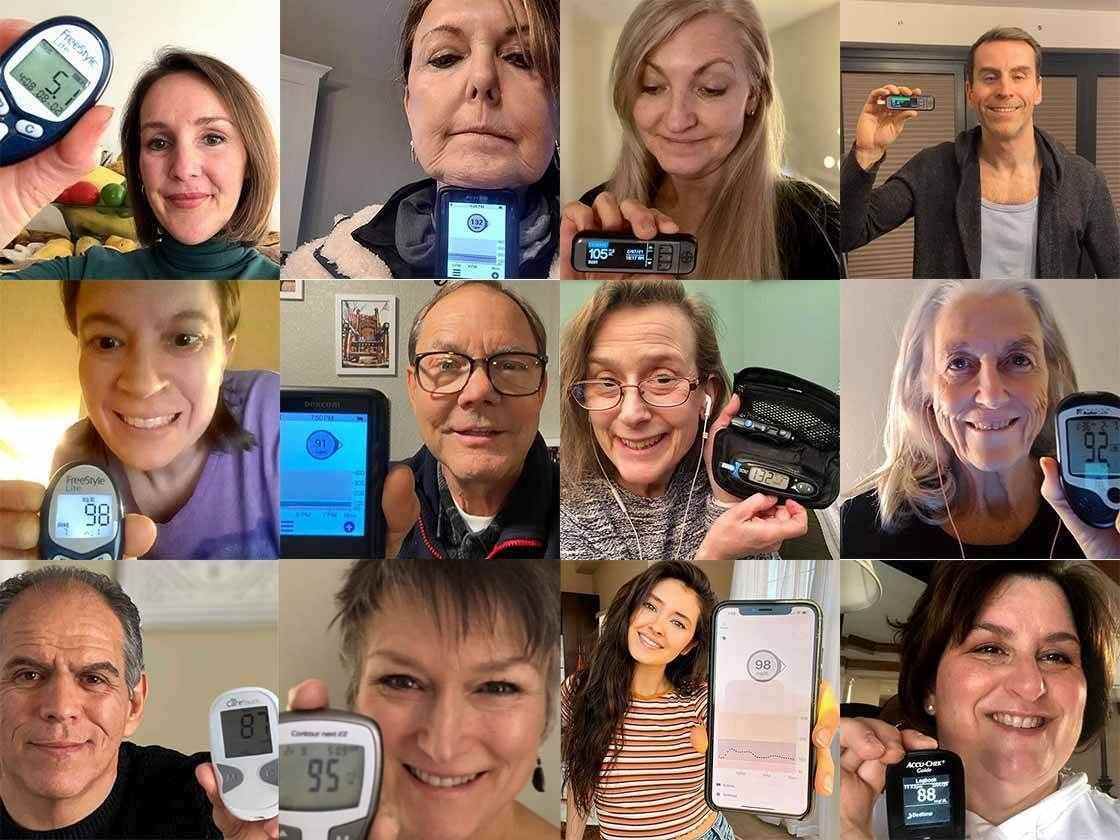
Your results are guaranteed. Join more than 10,000 ecstatic members today
Personalized coaching puts you in immediate control of your diabetes health, helps you gain energy, improves your quality of life, and reduces or eliminates your meds.