
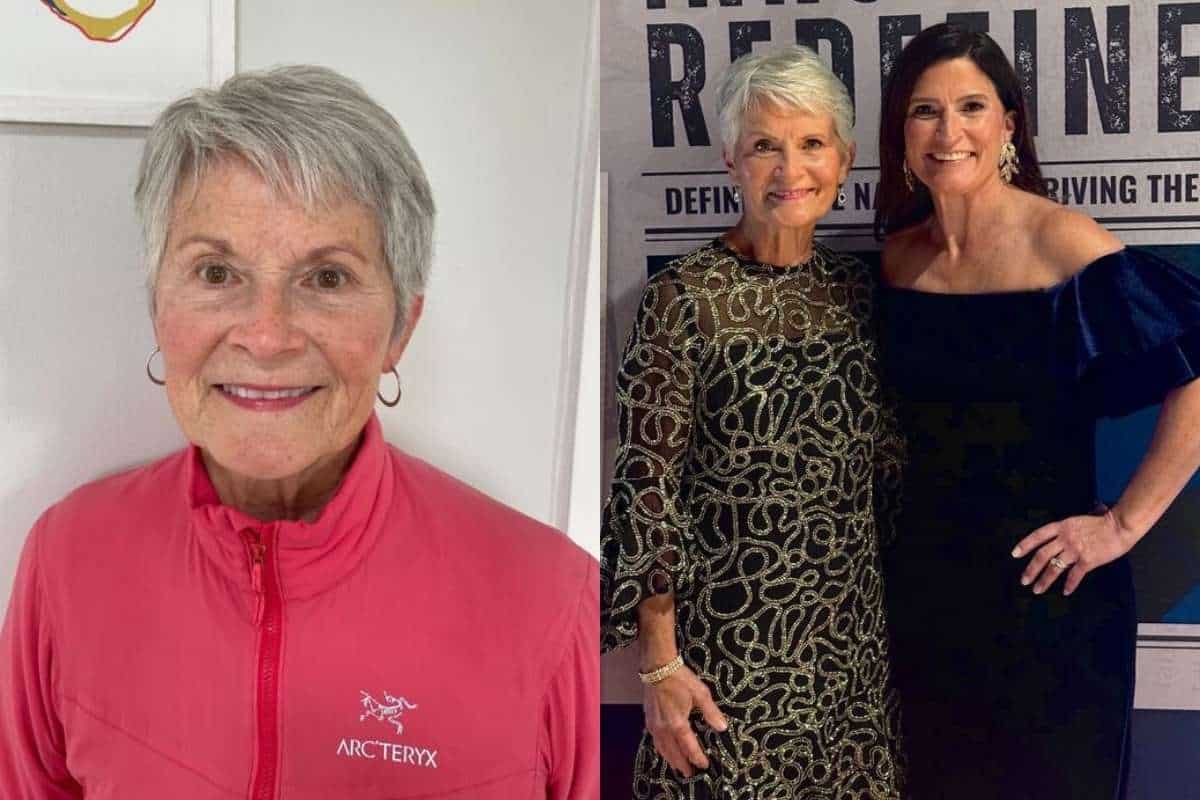
Meet Rosie. She spent decades doing what she believed was everything right. She exercised regularly, cooked nearly all her meals at home, avoided fast food, and had been vegan for more than twelve years. She even taught diabetes prevention professionally. So when her A1c rose to 6.3, firmly in the prediabetes range, the result felt deeply unsettling.
There was no family history of diabetes. She was active, energetic, and constantly on the move with her grandchildren. Yet her numbers told a different story. Rosie refused to accept that rising blood sugar was simply an unavoidable consequence of aging. Instead, she decided to question what she thought she knew and look for a deeper explanation.
That decision changed everything.
When Doing Everything “Right” Still Isn’t Enough
Rosie lives in Frankfort, Kentucky, is married, has three adult children nearby, and seven grandchildren who keep her busy. She has taught diabetes prevention classes for more than ten years and has long believed in lifestyle-based solutions. For years, her A1c hovered around 5.7 to 5.8. It was something she monitored, but it never alarmed her.
Then it climbed.
Seeing 6.3 on her lab report forced her to confront a difficult reality. If this was happening to her, someone who educated others on diabetes prevention, what was being missed? She began to realize that standard advice around moderation and “healthy fats” might not be addressing the real issue.
Revisiting Mastering Diabetes With New Eyes
Years earlier, Rosie had encountered the Mastering Diabetes approach while supporting a family member with an A1c of 12 who required insulin. By following the program closely, that family member saw dramatic improvements and was able to discontinue insulin.
At the time, Rosie viewed that outcome as situational. Now, facing her own rising A1c, she returned to the Mastering Diabetes book and attended a webinar. This time, the message landed differently.
The explanation of insulin resistance finally connected the dots. The issue was not carbohydrates. It was excess fat interfering with insulin signaling. Rosie realized that although she was vegan, her diet relied heavily on oils and higher-fat plant foods, something she had never fully examined. For the first time, the problem made sense.
Shifting to a Low-Fat, Whole-Food Approach
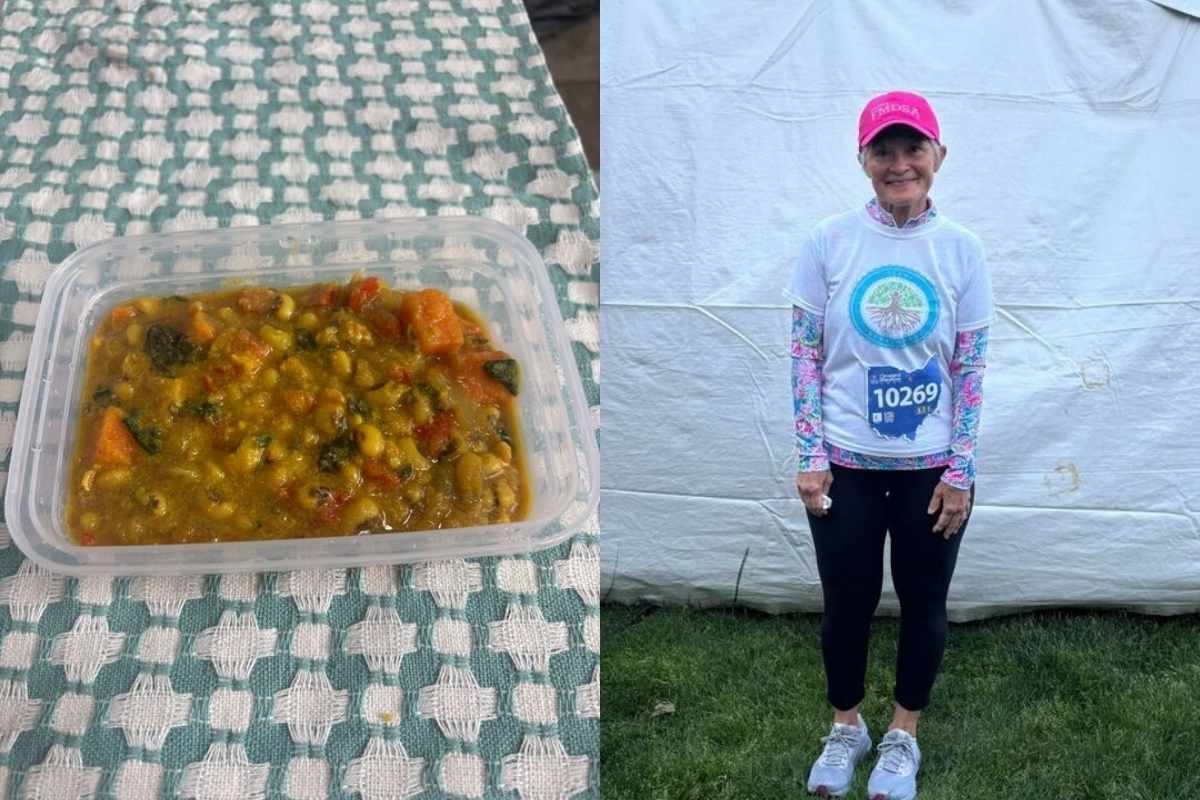
Although Rosie had eaten plant-based for years, removing oil and intentionally lowering fat intake required a meaningful shift. She stopped sautéing vegetables in oil and began cooking with water or vegetable broth. Meals became simpler, lighter, and more energizing.
She also increased her intake of whole carbohydrates, something she had previously limited despite teaching diabetes prevention. Potatoes, once avoided, became a staple. Sweet potatoes, russet potatoes, and Japanese white potatoes found their way into meals through roasting, steaming, soups, and pressure cooking.
Rather than feeling restricted, Rosie felt liberated. Eating more carbohydrates fueled her workouts, improved her recovery, and supported her active lifestyle with grandchildren and group fitness classes. She found that her energy was more consistent, not less.
Results That Confirmed She Was on the Right Path
Rosie joined the Mastering Diabetes program in mid-July. Within weeks of tracking her food and engaging with the community, she noticed meaningful changes. Her energy improved. The process felt logical and sustainable.
By mid-October, her lab results confirmed what she already felt.
Header | July 2025 | October 2025 |
|---|---|---|
A1c (%) | 6.3 | 6.0 |
Weight Loss | None | 7 lbs |
While the numerical change in A1c may appear modest, for Rosie it represented something powerful. It proved that insulin resistance could improve even after 70. Age was not the problem. Lifestyle was the lever.
Redefining What Aging With Health Looks Like
One of the most meaningful outcomes for Rosie was the shift in how she viewed aging. She had often heard that A1c naturally rises over time and that little could be done to prevent it. Her experience challenged that belief.
By focusing on planning, batch cooking, and making intentional food choices, she continued to thrive physically. She maintained her gym routine, yoga practice, and group exercise classes. Eating more carbohydrates supported her activity instead of limiting it.
Rosie now brings these insights into her diabetes prevention classes. Her personal experience strengthened her teaching and gave her real-world evidence that insulin resistance is not inevitable.
Knowledge as the Greatest Gift
As a healthcare professional, Rosie valued that Mastering Diabetes combined science with lived experience. The support, food lists, tracking tools, and shared community reinforced her confidence and consistency.
The greatest gift she received was understanding. Understanding how insulin resistance develops. Understanding how food affects cellular health. Understanding that sustainable change is possible at any age. That knowledge gave her control.
What Rosie Wants Others to Know
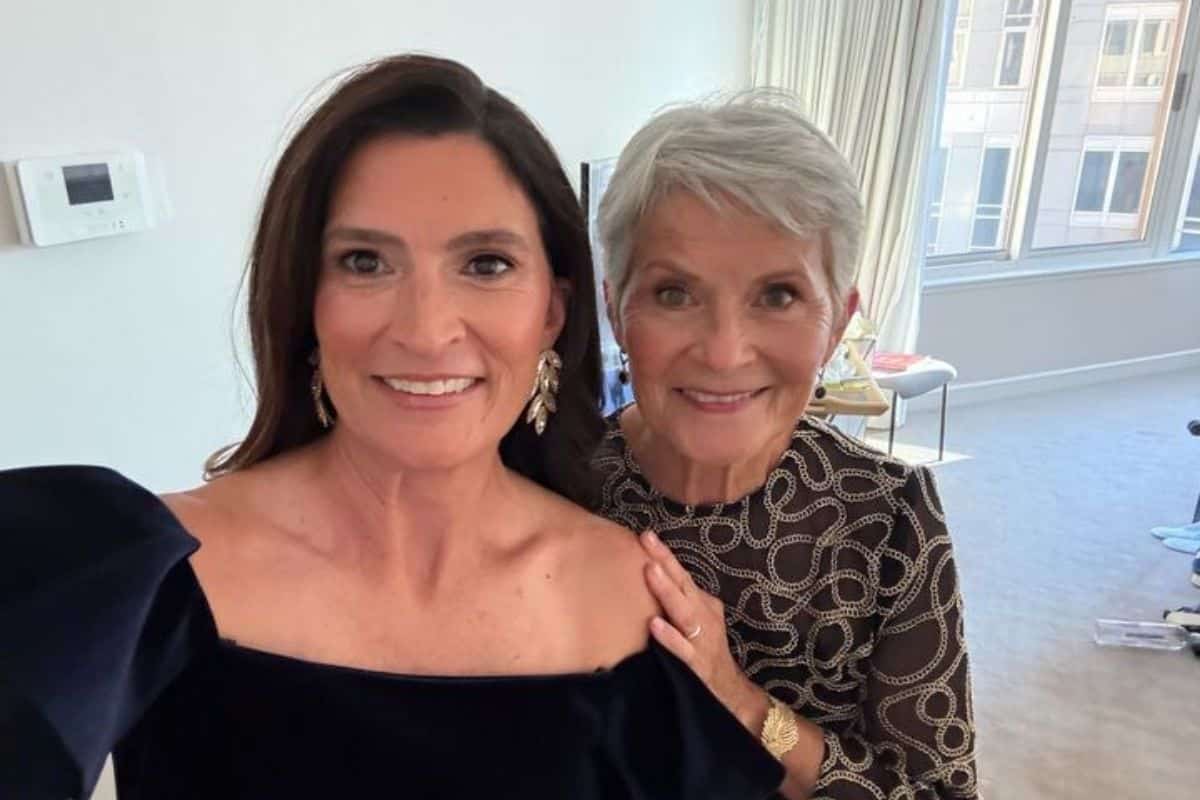
Rosie reminds people not to judge health by appearances alone. Blood sugar challenges can exist even in active, health-conscious individuals. Her message is simple: do not assume rising A1c is inevitable.
With the right approach, insulin sensitivity can improve. Change is possible. And it does not require extreme restriction or giving up carbohydrates.
Ready to See Results Like Rosie?
If you are concerned about rising A1c, frustrated by stalled progress, or told that age is working against you, Rosie’s story shows there is another path.
Book a free discovery call with one of our advisors and learn how to begin your own transformation.
Lower Your A1c and Fasting Blood Sugar... Guaranteed
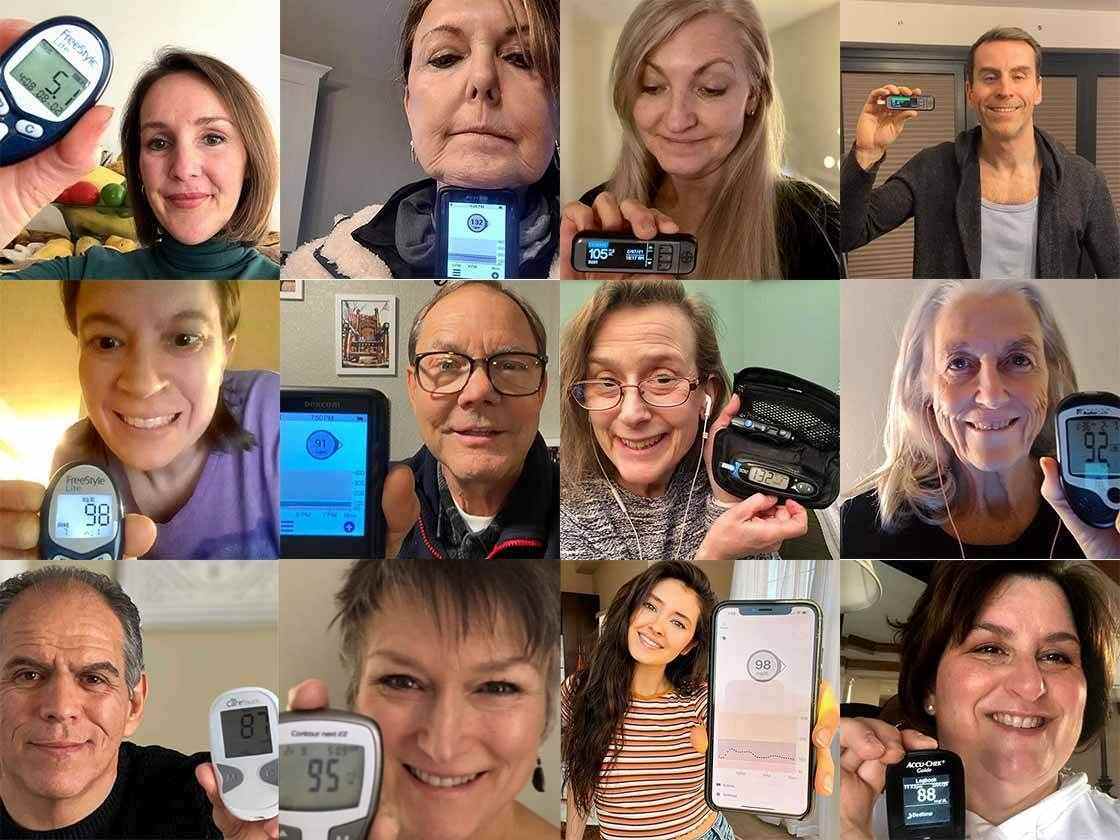
Your results are guaranteed. Join more than 10,000 ecstatic members today
Personalized coaching puts you in immediate control of your diabetes health, helps you gain energy, improves your quality of life, and reduces or eliminates your meds.