
Meet Mike. At 78 years old, he has lived with type 2 diabetes for nearly three decades.
For years, he had been able to stay active and keep his numbers relatively well managed. He gardened extensively, grew plants, and spent much of his time outdoors.
But about seven or eight years ago, his life changed dramatically when his wife developed kidney problems and needed dialysis.
Mike became her caregiver, spending approximately eight hours a day helping with her dialysis at home while continuing to work.
The active lifestyle he had once enjoyed disappeared, and his own health began moving in the wrong direction.
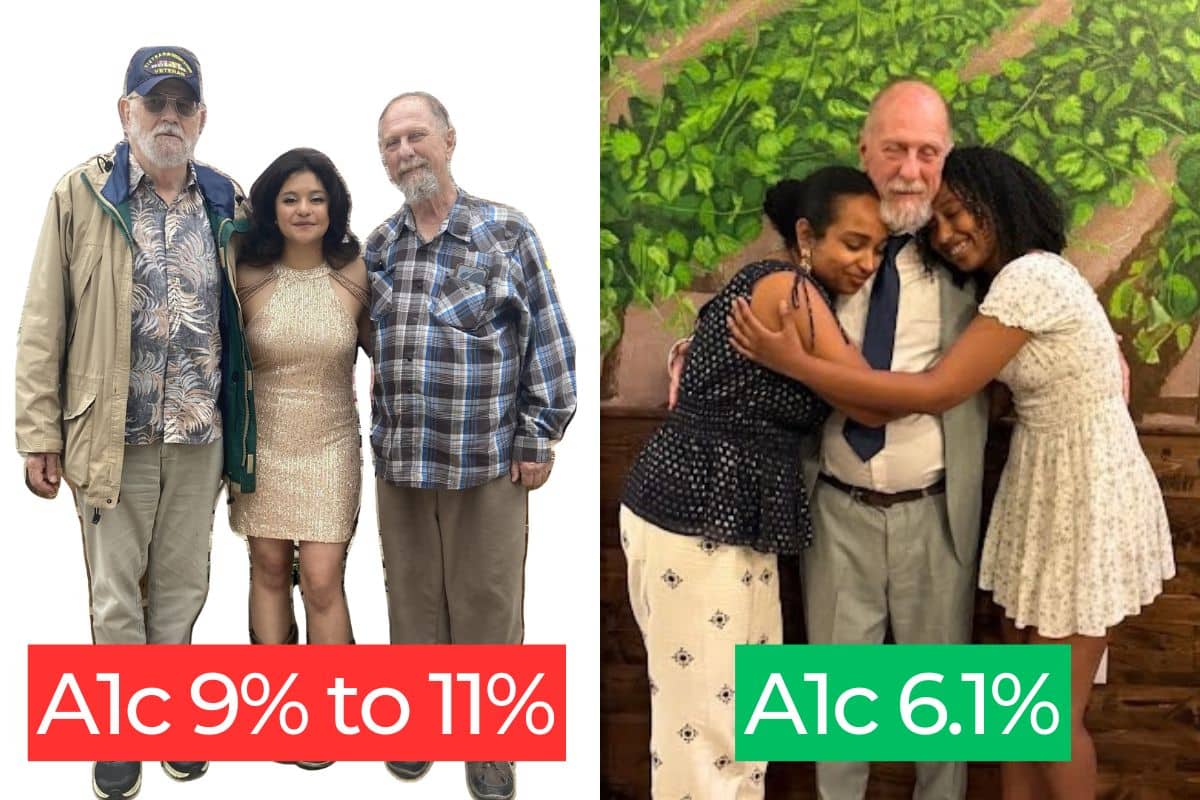
His A1c climbed into the 9% to 11% range. His fasting glucose was regularly between 200 and 250 mg/dL, and his healthcare team was discussing insulin as the next step.
After his wife passed away, Mike decided it was time to focus on his own health again.
Today, his A1c is 6.1%, his fasting glucose averages approximately 100 to 110 mg/dL and occasionally reaches the 90s, and he has lost nearly 60 pounds. He no longer takes losartan, has not needed to progress to insulin, and plans to speak with his doctor about whether his Metformin can be reduced.
For Mike, those results have made learning a completely different way to eat worth the effort.
When Caregiving Changed His Own Health
Mike was diagnosed with type 2 diabetes around age 50 and was prescribed Metformin along with other medications.
Looking back, he recognizes that his diet wasn't helping.
When he was younger, Mike joked that his philosophy was to “eat anything that didn't eat me first.” That approach seemed easier to get away with when he was younger and more active.
As he got older, things changed.
Still, Mike remained physically active for years. It wasn't until his wife's health declined that his own numbers suddenly became much more difficult to manage.
Caring for her became his priority.
With hours each day devoted to home dialysis and work, Mike couldn't maintain the activity level that had previously been part of his routine. His doctor noticed the change too, asking what had happened after seeing his previously better numbers climb dramatically.
Mike's A1c eventually reached approximately 10% to 11%. That was when he started looking more seriously for answers.
An Unexpected Recommendation Led to Mastering Diabetes
One of Mike's doctors ultimately pointed him toward Mastering Diabetes.
She was vegan herself and, although it wasn't part of the conventional guidance Mike had been receiving, she gave him Robby's name and directed him to the Mastering Diabetes website.
Mike started with the YouTube videos.
At first, he tried to improve his diet on his own by applying what he was learning. He saw some improvement, but the demands of caring for his wife made consistency difficult.
After she passed away, Mike decided he was ready to make his health a priority. He joined the Mastering Diabetes Coaching Program.
That's when the individual pieces he had picked up through videos began coming together.
Mike's Before and After Results
The changes quickly became measurable.
Header | Before | After |
|---|---|---|
A1c (%) | 9 to 11 | 6.1 |
Weight (lbs) | 200 | 140 |
Weight Loss | No weight loss | 60 pounds lost |
Fasting Blood Sugar (mg/dL) | 200-250 | 90-100 |
Medication | Glipizide, Losartan, Metformin | Metformin |
Mike's fasting glucose improvement has been particularly meaningful to him. Although he sees other people report readings consistently in the 90s, he doesn't compare his progress with theirs.
At 78, seeing his own fasting glucose average between 100 and 110 mg/dL feels like a tremendous accomplishment.
Recently, he even recorded three consecutive days in the 90s.
His A1c has fallen to 6.1%, and insulin, once being discussed as his next treatment step, has not been necessary.
Discovering That Carbohydrates Weren't the Enemy
Some of the Mastering Diabetes principles initially contradicted what Mike thought he knew about diabetes.
Carbohydrates were a prime example.
He had spent years hearing that people with diabetes should limit carbohydrate-rich foods and eat more fat. Mastering Diabetes presented a very different approach centered on low-fat, whole-food, plant-based nutrition and improving insulin sensitivity.
Mike was surprised to discover how many carbohydrate-rich whole foods he could eat. That required a significant mental adjustment. So did reducing foods he had previously assumed were healthy choices.
At one point, Mike was eating crackers made with almond flour. The label showed zero sugar, so they seemed like a reasonable option. Yet his glucose started rising.
With help from his coach, Mike looked more closely at the nutrition label and realized that a serving of 10 crackers contained six grams of fat. Once he considered how many crackers he was actually eating, his total fat intake was considerably higher than he had realized.
It was exactly the kind of detail that had been easy to overlook when he was trying to figure everything out alone.

Finding Foods He Could Enjoy for the Long Term
Changing decades of eating habits wasn't effortless.
Mike still wanted the sugary foods he had been accustomed to eating, and finding satisfying alternatives took experimentation.
Salad dressings were one example.
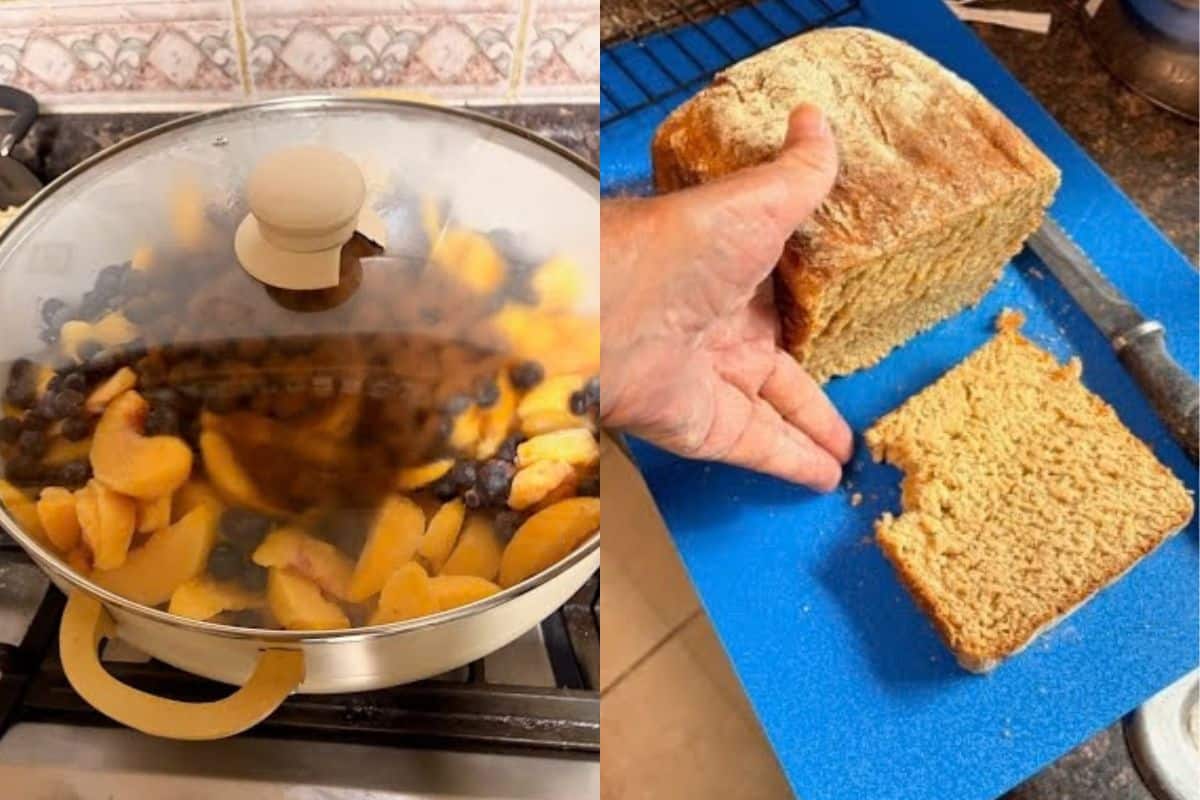
Many of the fat-free, sugar-free options he tried seemed bland. Eventually, he found varieties he genuinely enjoyed that were thick, flavorful, and compatible with his goals. He even began using them with beans.
Beans and rice became regular parts of his diet, and as Mike adjusted to the new way of eating, he realized something unexpected: He was actually eating more food.
At the same time, his weight continued falling.
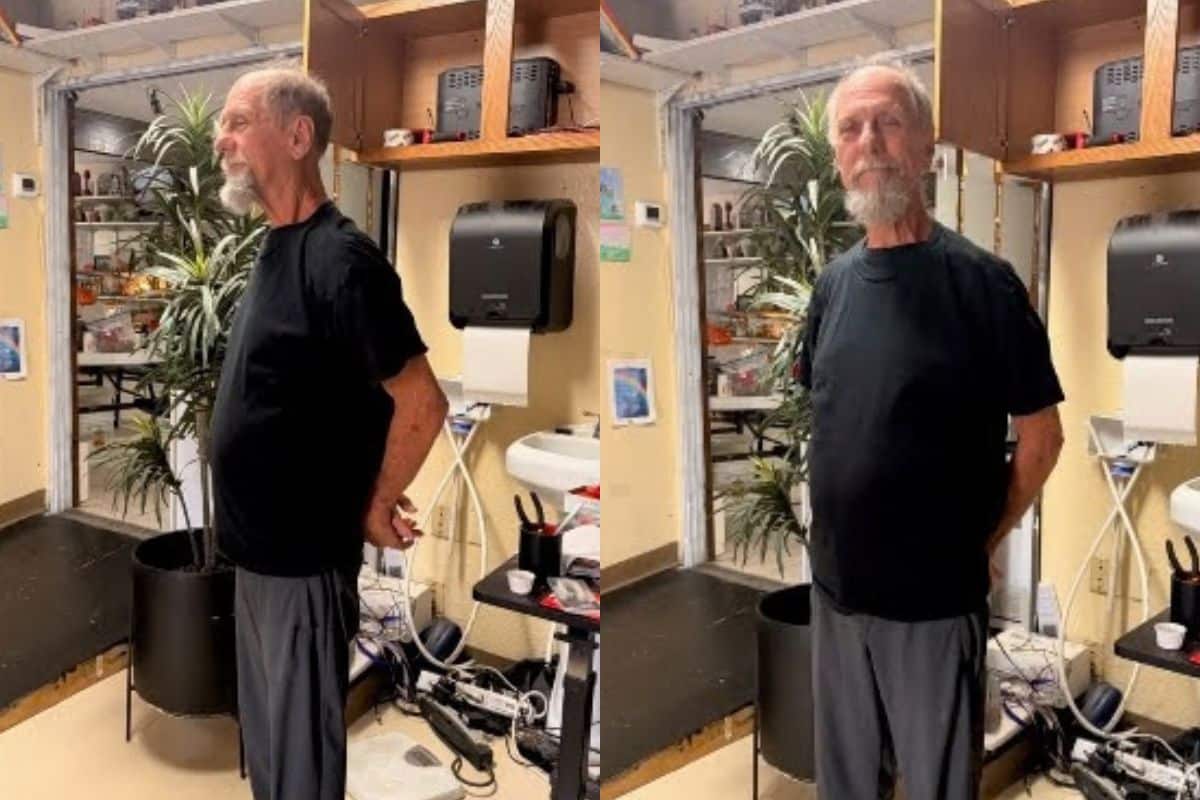
Mike has now settled around 140 pounds after losing nearly 60 pounds. In fact, his challenge today is making sure he eats enough to maintain his weight because he doesn't want to become any thinner.
His friends even tease him that the wind is going to blow him away.
Why Coaching Made the Difference
The Mastering Diabetes videos gave Mike valuable information and helped him begin making changes. The Mastering Diabetes Coaching Program helped him understand the details.
His coach could look at what he was actually eating, ask questions, identify foods that might be slowing his progress, and explain why his numbers weren't responding as quickly as he expected.
Mike appreciated that the process wasn't about criticizing him when he ate something that didn't align perfectly with the program. Instead, his coach helped him analyze what happened.
That distinction mattered.
Rather than simply being told that a food was “bad,” Mike could understand why it might affect insulin sensitivity and then make a more informed decision the next time.
When he encountered something he didn't understand, he also had someone he could ask. That personalized feedback filled the gap between watching educational videos and successfully applying the information to his own life.
Taking Care of His Health at 78
Mike's story unfolded during an extraordinarily demanding period of his life.
For years, taking care of his wife understandably took priority. His activity declined, his glucose increased, and his A1c eventually climbed into the 9% to 11% range.
After losing her, Mike decided to take action for himself.
Today, his A1c is 6.1%. His fasting glucose has fallen from 200–250 mg/dL to an average of approximately 100–110 mg/dL, sometimes reaching the 90s. He has lost nearly 60 pounds, stopped taking losartan, and has not needed to progress to insulin.
He is now planning to speak with his doctor about whether reducing or stopping Metformin may be appropriate.
At 78, Mike isn't expecting his body to respond exactly as it did decades ago.
He doesn't need it to. He is thrilled with the progress he has made and the control he has regained over his health.
And for someone wondering whether The Mastering Diabetes Coaching Program is worth the financial investment, Mike recommends asking a different question.
"How much is getting your diabetes under control worth to you?"
For Mike, learning how to eat and live in a way that supports his health has been worth far more than the cost.
Ready to See Results Like Mike?
If you've been living with type 2 diabetes for years and feel like your blood sugar and medication needs are moving in the wrong direction, and need help understanding the lifestyle factors influencing insulin resistance and identify changes you can realistically maintain.
Book a free discovery call with one of our advisors and learn how to begin your own transformation.
Lower Your A1c and Fasting Blood Sugar... Guaranteed
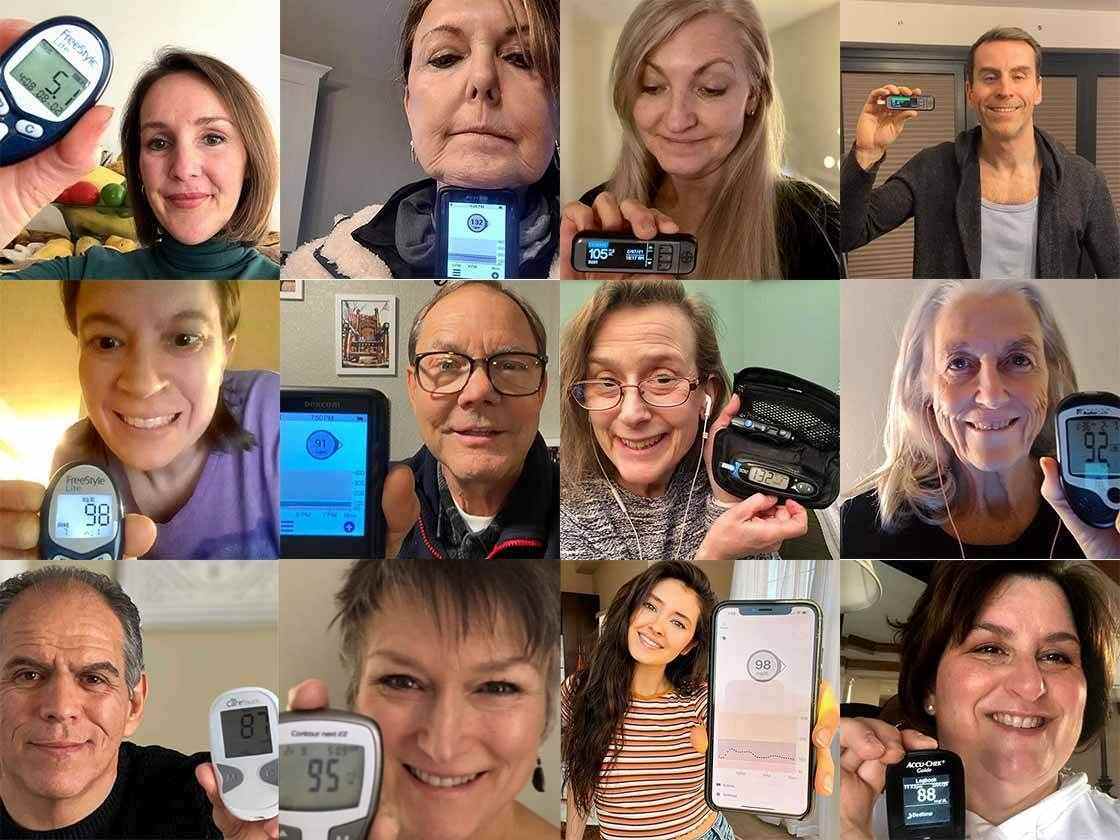
Your results are guaranteed. Join more than 10,000 ecstatic members today
Personalized coaching puts you in immediate control of your diabetes health, helps you gain energy, improves your quality of life, and reduces or eliminates your meds.