
Meet Rebecca. She had been eating a plant-based diet for years. She had read books about nutrition, followed health educators, and believed she understood what it took to maintain a healthy lifestyle.
But when she reached menopause, her health began changing in ways she hadn't expected.
Her cholesterol levels became a concern, and her A1c gradually climbed into the prediabetes range. Despite her experience with plant-based nutrition, she couldn't seem to bring her blood sugar back down.
Rebecca was frustrated. She had already made many of the dietary changes people commonly recommend, yet her numbers continued moving in the wrong direction.
After her mother passed away, she hoped she would finally have the opportunity to focus more closely on her own health. But three years later, she was still struggling.
She discovered Mastering Diabetes, read the book, and watched educational videos, hoping she could apply the recommendations independently. Even then, her A1c wasn't improving.
Eventually, Rebecca realized she might need something she hadn't previously considered: personalized guidance.
After joining the Mastering Diabetes Coaching Program, she discovered that she was consuming more dietary fat than she realized while also not eating enough food.
With support and adjustments to her eating habits, Rebecca lowered her A1c from 6.2% to 5.7%. She also reported continued improvements in her cholesterol and kidney function.
For someone who had spent years trying to figure everything out alone, the experience reinforced an important lesson: sometimes, getting support makes all the difference.
When Menopause Brought Unexpected Health Challenges
Rebecca lives in Centerville, Ohio, and had followed a plant-based lifestyle long before joining Mastering Diabetes. She was familiar with nutrition education and had spent years reading books about healthy eating. But when she entered menopause, she began noticing changes in her health.
Her cholesterol became a concern, and she started paying closer attention to her A1c. Over time, her blood sugar measurements gradually increased. Although her A1c remained within the prediabetes range, the upward trend worried her.
She understood that an A1c of 6.5% or higher falls within the diabetes diagnostic range, and she didn't want her numbers to continue climbing. Eventually, her A1c reached 6.2%.
Rebecca wasn't taking medication for her blood sugar, and she wanted to improve her results through changes to her lifestyle. But she couldn't understand why her efforts weren't working.
She was already eating plant-based foods and believed she had a solid understanding of nutrition. Why was her A1c still increasing?
Three Years of Trying to Figure It Out Alone
Rebecca had spent years learning about nutrition and attempting to manage her health independently. After her mother passed away, she believed she would finally have more time and energy to focus on herself.
She expected that improving her blood sugar would be relatively straightforward. But three years passed, and she was still struggling. Her A1c remained elevated, and she couldn't identify exactly what needed to change.
During that time, Rebecca discovered Mastering Diabetes. She began watching educational videos and purchased the Mastering Diabetes book.
The program's explanation of insulin resistance interested her, and she tried putting the recommendations into practice.
But despite her efforts, she still wasn't seeing the improvements she wanted. She continued researching, reading, and experimenting with her eating habits.
Eventually, she began to suspect that there was something important she was overlooking.
Recognizing Herself in Another Mastering Diabetes Success Story
Rebecca's turning point came when she watched a Mastering Diabetes testimonial featuring another woman who had been eating plant-based foods but was still struggling with her health. The woman's experience sounded remarkably familiar.
Rebecca realized that she wasn't the only person who had adopted a plant-based lifestyle and continued experiencing elevated blood sugar. For years, she had assumed that her nutrition knowledge should be enough to solve the problem.
Seeing someone else describe a similar experience helped her reconsider that assumption. Perhaps she didn't need to abandon her plant-based lifestyle. Perhaps she needed help identifying the details that were preventing her from making progress.
Rebecca decided to book a free discovery call, and after learning more about the Mastering Diabetes Coaching Program, she enrolled.
It was a meaningful decision for someone who had always preferred figuring things out independently. But she was ready to try a different approach.
Rebecca's Before and After Results
After three years, Rebecca began to see measurable changes.
Header | Before | After |
|---|---|---|
A1c (%) | 6.2 | 5.7 |
Cholesterol | Elevated | Reports continued improvement |
Kidney Function | Reports previously declining measurements | Reports improvement |
Dietary Fat Intake | Higher than she realized | Adjusted after tracking food |
Food Intake | Not eating enough | Began addressing inadequate intake |
Rebecca's A1c decreased by 0.5 percentage points, from 6.2% to 5.7%. Although 5.7% remains at the lower boundary of the prediabetes range, the reduction was encouraging after years of struggling to improve her numbers.
Rebecca also reported that her cholesterol continued decreasing and that her kidney function measurements had begun improving after previously declining.
She did not provide specific cholesterol values, kidney function measurements, or laboratory dates, so those outcomes are presented as her personal reports rather than quantified results.
For Rebecca, the changes were especially meaningful because she had already spent years trying to improve her health without medication.
Discovering That Her Plant-Based Diet Was Higher in Fat Than She Realized
One of Rebecca's most important discoveries came from examining her eating habits more closely.
She had been plant-based for years and believed she was making healthy choices. But when she began tracking what she ate, she noticed something surprising. She was consuming much more dietary fat than she realized.
Many foods had become familiar parts of her routine, and she hadn't been paying close attention to how frequently she reached for them.
Writing everything down helped her recognize patterns that had previously gone unnoticed. Her coach helped her review those habits and identify adjustments.
Rather than simply telling Rebecca to eat plant-based foods, the process helped her examine the details of her existing diet. This was particularly valuable because she wasn't starting from scratch.
She already understood the basics of plant-based nutrition.
What she needed was a clearer picture of how her everyday choices aligned with the low-fat, whole-food, plant-based approach recommended by Mastering Diabetes.
With greater awareness and accountability, she began making changes.
Learning That She Wasn't Eating Enough
Dietary fat wasn't the only issue Rebecca discovered. She also realized that she wasn't eating enough food. At the time, she had been frustrated that her weight wasn't decreasing.
Through Coaching, she began examining her overall food intake alongside the types of foods she was choosing.
Her coach helped her recognize that simply eating less wasn't necessarily the solution to her challenges. This was another important shift in Rebecca's understanding of nutrition.
She had spent years trying to make the right choices, but she hadn't fully considered whether her overall eating pattern was meeting her needs. With personalized guidance, she began adjusting both the composition and quantity of her meals.
For Rebecca, these discoveries explained why having a plant-based diet alone hadn't automatically produced the results she wanted.
The details mattered. And those details became much easier to recognize once she had someone helping her evaluate them.
Why Personalized Coaching Made the Difference
Rebecca had always believed she could figure things out for herself. She was comfortable researching information, reading books, and experimenting with new ideas.
But after years of struggling with her A1c, she began appreciating the value of having someone else involved. Her coach provided guidance, accountability, and a place to ask questions.
Rebecca knew that when she was uncertain about something, she didn't have to work through it alone. She could reach out for help. That support made the process feel less overwhelming.
She also felt that her coach understood her quickly, which helped them develop a productive working relationship.
Instead of continuing to guess which changes might help, Rebecca could discuss her concerns and receive feedback specific to her situation.
The program's online resources gave her additional information she could return to whenever needed. For Rebecca, the combination of educational materials and personal support was especially valuable.
She had already read the Mastering Diabetes book and watched numerous videos. But Coaching helped her turn that knowledge into more informed daily decisions.
Seeing Her A1c Finally Move in the Right Direction
After years of watching her A1c gradually increase, Rebecca was relieved to see it begin improving.
Before Coaching, her A1c had reached 6.2%. After making adjustments to her eating habits, her reported A1c decreased to 5.7%.
The change was meaningful because she had spent approximately three years trying to get her blood sugar under better control.
She had already been plant-based, read the books, and followed educational content. But her previous efforts hadn't produced the improvement she wanted. Now, she could see progress.
Rebecca was also encouraged by changes in other health measurements.
Her cholesterol, which had already begun decreasing, continued moving in a favorable direction. She also reported that her kidney function measurements had improved after previously declining.
That development was particularly reassuring because she was concerned about the potential effects of elevated blood sugar on kidney health.
Although the available information doesn't establish the cause of those changes, Rebecca viewed the improvements as encouragement to continue her current approach.
She felt that the adjustments she was making were worthwhile.
Finding Confidence After Years of Frustration
Rebecca's story is different from that of someone who discovers plant-based eating for the first time. She had already spent years following a plant-based lifestyle. She was knowledgeable about nutrition, had read numerous books, and was motivated to improve her health. But despite those advantages, she continued struggling with prediabetes.
Her A1c had reached 6.2%, and she was concerned about the possibility of progressing to type 2 diabetes. She had also been monitoring elevated cholesterol and declining kidney function measurements.
For years, Rebecca believed she should be able to solve these challenges independently.
Eventually, she realized that personalized support could help her identify what she had been missing. Through the Mastering Diabetes Coaching Program, she discovered that her dietary fat intake was higher than she realized and that she wasn't eating enough.
She began making adjustments, tracking her habits more carefully, and asking questions when she needed guidance.
Her A1c decreased from 6.2% to 5.7%, and she reported encouraging changes in her other health measurements.
But perhaps the most important lesson was learning that she didn't have to figure everything out by herself. Rebecca appreciated having a coach who understood her concerns and resources she could return to whenever needed.
When asked whether the Mastering Diabetes Coaching Program was worth the investment, she was enthusiastic.
She encourages others who were considering the program to take advantage of the support available rather than continuing to struggle alone.
For Rebecca, the experience wasn't about abandoning everything she had learned about healthy eating. It was about finally understanding the adjustments that could help her make progress.
After years of frustration, she had found a clearer path forward.
Ready to See Results Like Rebecca?
If you're living with prediabetes, watching your A1c gradually increase despite following a plant-based diet, or feeling frustrated because your healthy eating habits aren't producing the results you expected, Mastering Diabetes can help you identify practical adjustments and build greater confidence in your nutrition choices.
Book a free discovery call with one of our advisors and learn how to begin your own transformation.
Lower Your A1c and Fasting Blood Sugar... Guaranteed
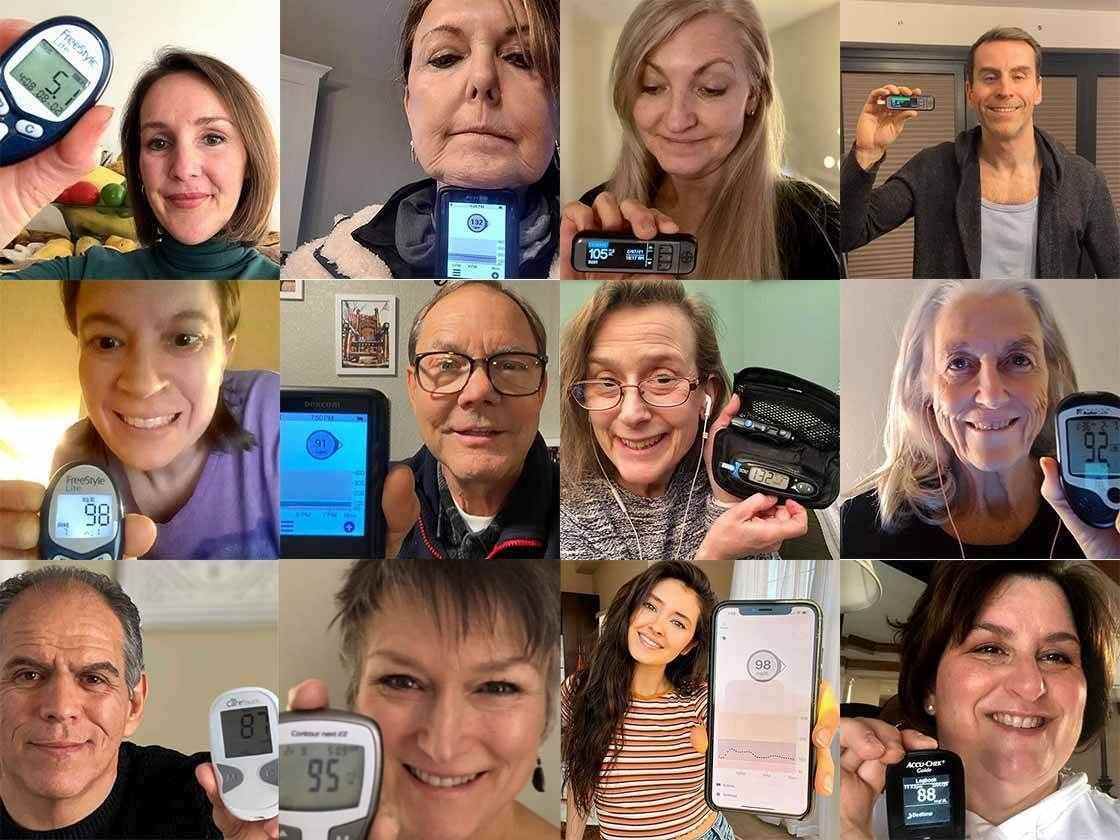
Your results are guaranteed. Join more than 10,000 ecstatic members today
Personalized coaching puts you in immediate control of your diabetes health, helps you gain energy, improves your quality of life, and reduces or eliminates your meds.