

Most people think diabetes is complicated — a mystery locked inside their genes, their pancreas, or their age.
But here’s the truth:
More than 90% of type 2 diabetes cases could improve dramatically, even reverse, simply by removing a handful of everyday foods that silently destroy insulin sensitivity.
These foods hide in plain sight.
They sit in home kitchens, restaurant menus, grocery aisles.
And every day, they pump more fat, inflammation, and oxidative stress into your cells — the exact things that block insulin from doing its job.
Today, you’ll learn the five biggest offenders — and the simple food swaps that help your body clear out fat, restore insulin sensitivity, and lower blood sugar naturally.
The Food That Turns Your Arteries Into an Oil Spill
Fried Food
French fries. Fried chicken. Onion rings. Tempura.
All those crispy, golden comfort foods come with a hidden cost.
When you fry food, you’re heating oil to extremely high temperatures until the entire meal becomes a fat sponge. Once eaten, that oil floods your bloodstream with free fatty acids, which interfere with insulin signaling and block glucose from entering your cells.

It’s not just the fat.
Frying creates a harmful class of compounds called advanced glycation end products (AGEs) — toxic molecules that increase inflammation and worsen insulin resistance.
Large population data backs this up. In a study of over 70,000 women and 40,000 men, individuals who ate fried foods 4-6 times per week had a 39% higher risk of developing type 2 diabetes compared with those who ate them less than once per week
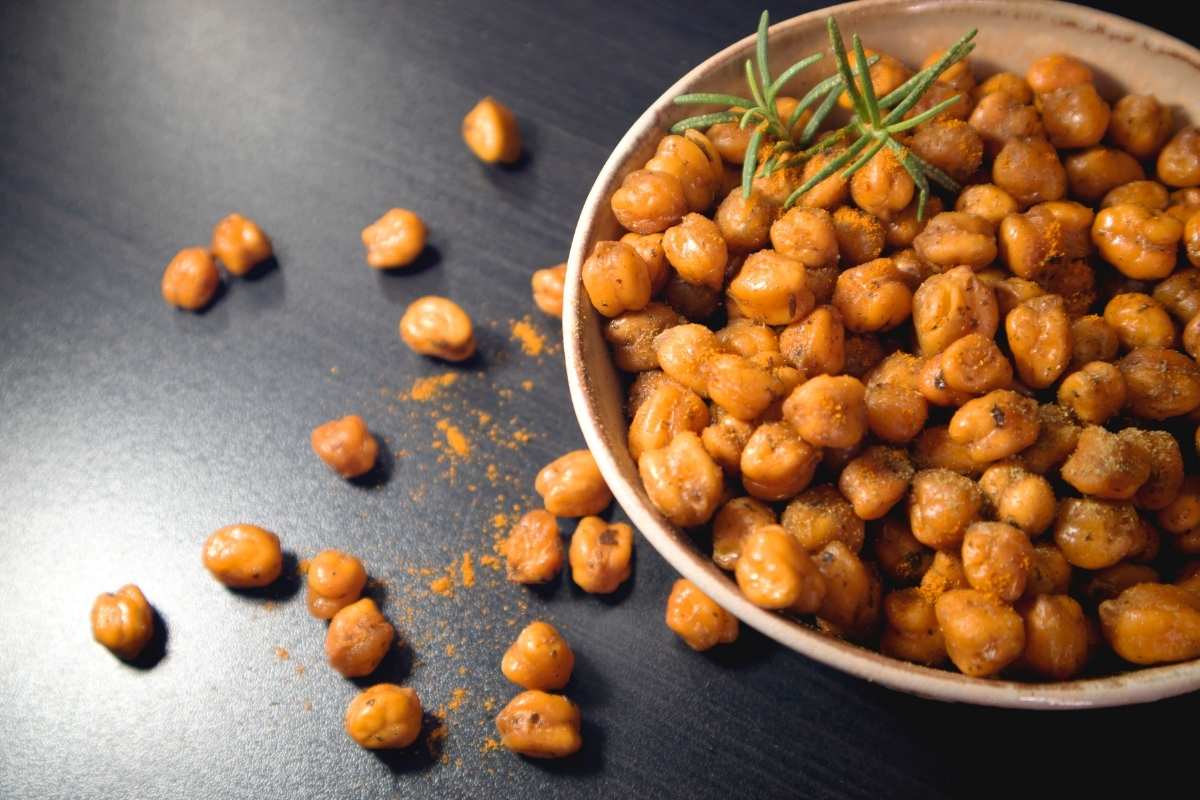
A better option
You get all the crunch, without coating your cells in grease.
The “Healthy” Food Trap That Quietly Spikes Blood Sugar
Protein Bars, Shakes & High-Protein Frozen Meals
These products look wholesome.
The packaging says “low-carb,” “lean,” “high-protein,” or “keto friendly.”
But inside?
Even when they promise blood-sugar control, they deliver the opposite. High-fat processed foods have been shown to impair fasting glucose and glucose tolerance, making it harder for your body to dispose of sugar effectively.

Your body thrives on real food — not laboratory blends of isolated proteins, synthetic sweeteners, and filler oils.
A better option
Choose foods you can harvest, not manufacture:
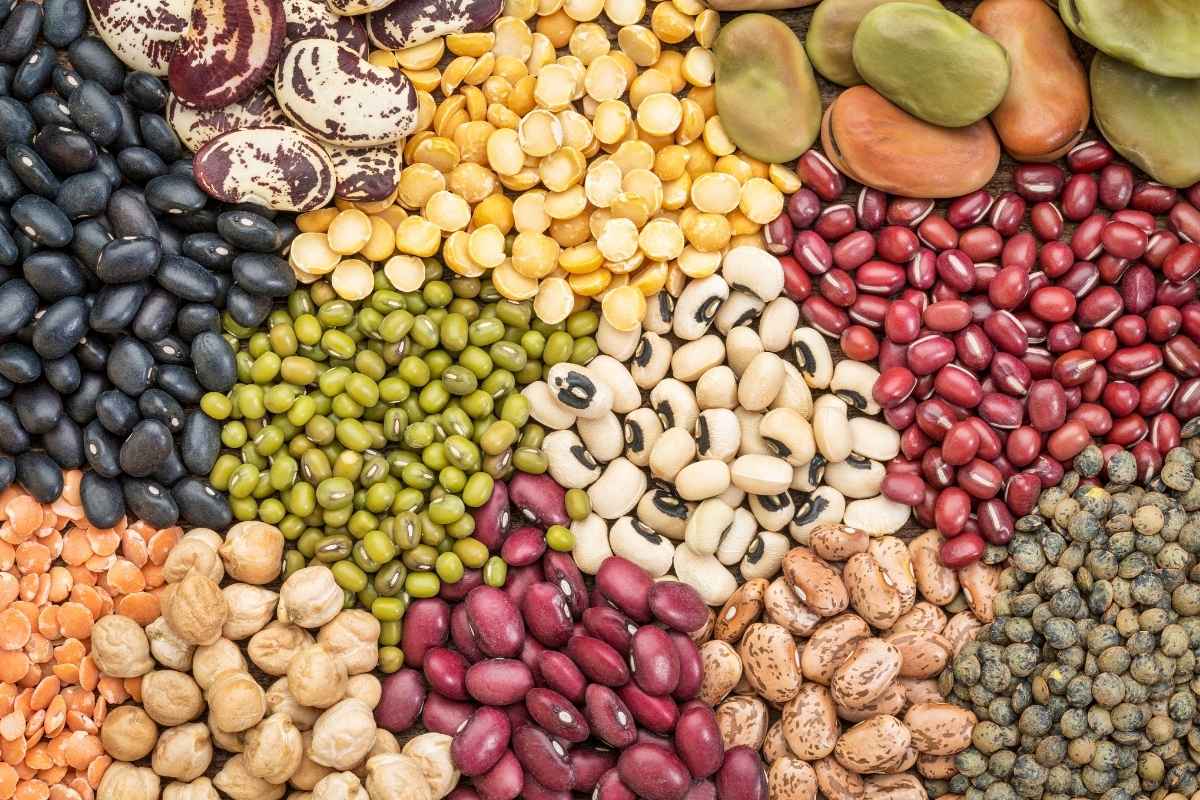
Apples, potatoes, brown rice, oats, lentils, beans, leafy greens, berries.
Whole foods restore insulin sensitivity because they’re high in water, high in fiber, and low in fat — the exact combination your pancreas and liver were designed for.

The Biggest Lie in Diabetes Nutrition
“High-Fat Foods Are Safe Because They Don’t Spike Blood Sugar.”
This is the most common — and most damaging — misconception in diabetes care.
Foods like:
may not spike glucose immediately, but they create insulin resistance every single time you eat them.
Here’s why:
When you eat fat-heavy meals, tiny fat droplets build up inside your muscle and liver cells — a process called lipotoxicity. These fat droplets jam the insulin receptors, like gum stuck in a keyhole, preventing insulin from opening the door for glucose.
The result?
Research consistently shows that lowering dietary fat, especially saturated fat, improves insulin action within days. (For example, high-fat meals reduce glucose uptake; reducing fat intake restores insulin sensitivity.)
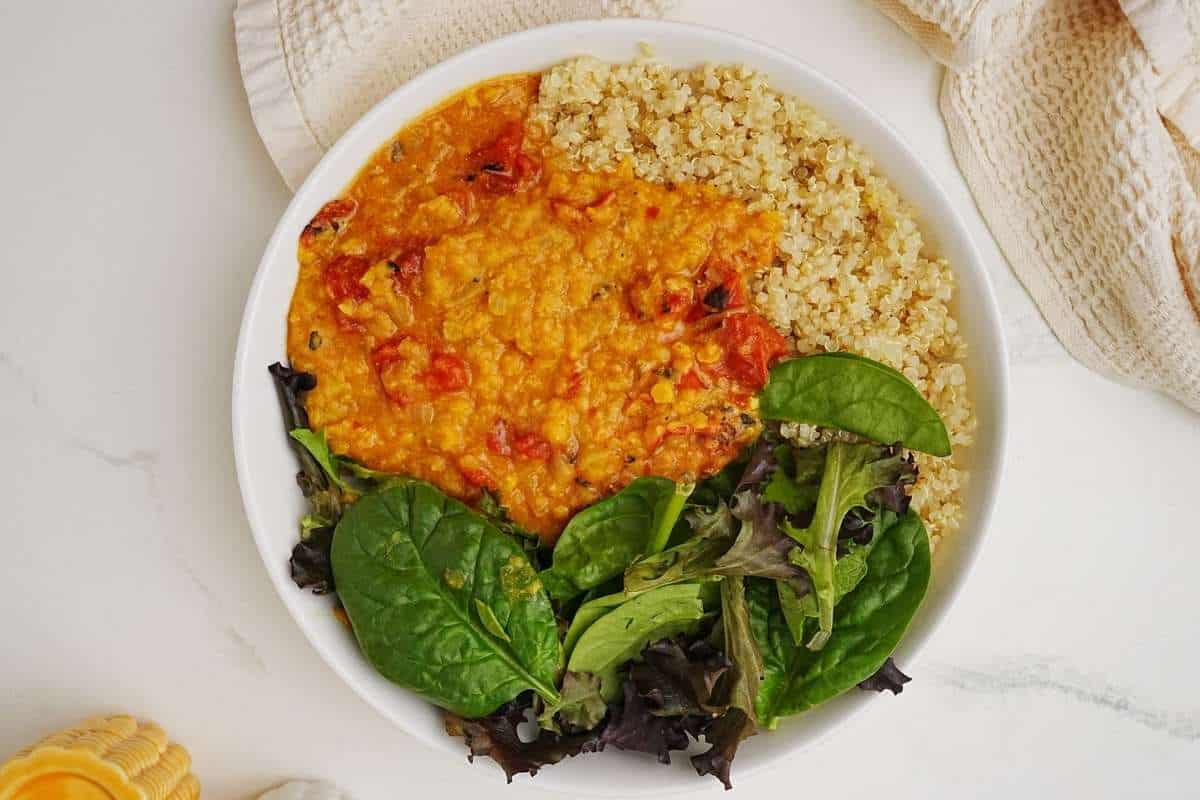
A better option
Keep fat intake under 15% of total calories, or under 10 grams per meal, and choose foods like:
These foods refill your energy without clogging your cells.
The Addictive Dairy Habit That Silently Blocks Fat-Burning
Cheese
Cheese seems harmless — a sprinkle on pasta, a slice on a sandwich, a cube on a snack plate.
But biochemically, cheese is:

That’s not an exaggeration — dairy contains casomorphins, compounds that act on the brain’s opioid receptors. That “I can’t stop eating cheese” feeling is real.
The problem?
Cheese delivers concentrated saturated fat, which raises insulin resistance, increases liver fat, and keeps your metabolism locked in fat-storage mode.
A better option
Replace cheese with:
Every cheese-free meal gives your mitochondria room to breathe again.

The Protein That Ages You From the Inside Out
Red Meat
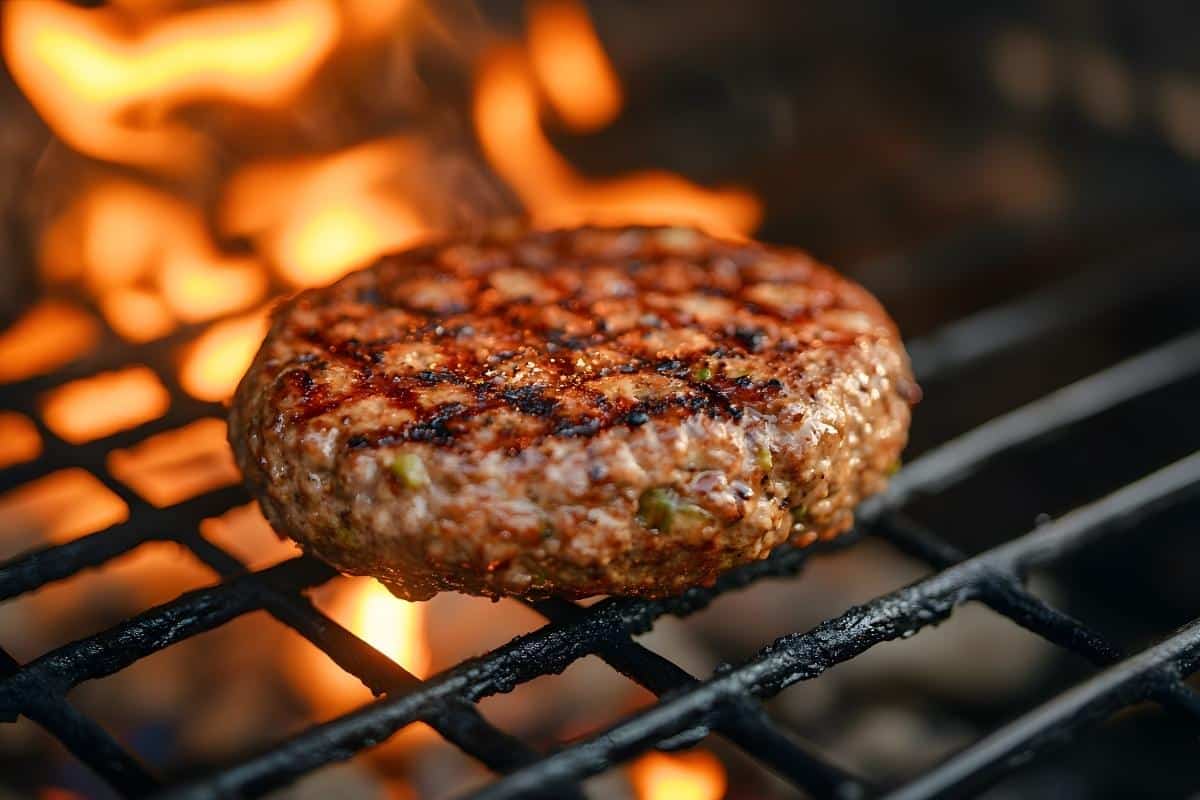
Steak, burgers, bacon, sausage, even “lean” cuts — they all deliver high amounts of:
These ingredients combine to make red meat one of the strongest dietary predictors of type 2 diabetes. Several large cohort studies show increased risk in people with higher red and processed meat consumption.
A better option
Swap red meat for:
These foods improve blood sugar, drop LDL cholesterol, and open up your arteries — the opposite of red meat’s metabolic impact.
The Big Picture: Diabetes Isn’t a Mystery
Insulin resistance doesn’t begin with age, genes, or bad luck.
It begins with fat trapped inside your cells.
adds another layer of fat that blocks insulin from doing its job.
But here’s the good news:
When you remove the foods causing the damage, your body starts healing — fast.
We’ve seen people lower A1c by multiple percentage points, come off medications, and reclaim their energy simply by shifting to whole, plant-based foods.
What To Do Next
If you want to restore insulin sensitivity and lower blood sugar naturally, focus on foods that clear out fat from your cells:
These foods are high in fiber, low in fat, and clinically shown to improve glucose control.
Your body isn’t broken — it’s waiting for the right environment to heal.

Want Help Getting Started?
Book a free discovery call with one of our advisors today and learn how the Mastering Diabetes Coaching Program can help you reclaim your health.
Lower Your A1c and Fasting Blood Sugar... Guaranteed

Your results are guaranteed. Join more than 10,000 ecstatic members today
Personalized coaching puts you in immediate control of your diabetes health, helps you gain energy, improves your quality of life, and reduces or eliminates your meds.