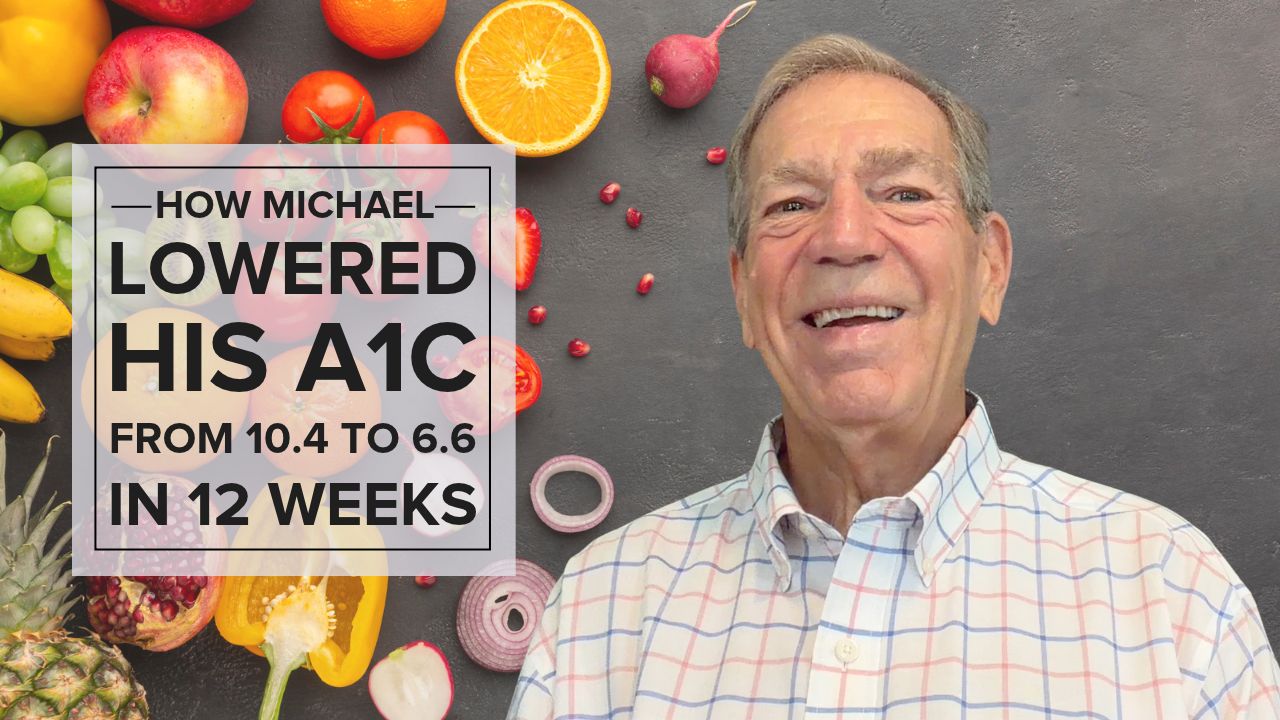

Meet Tim. For nearly 10 years, he had been trying to find a way to manage his type 2 diabetes more effectively.
He wasn't overweight, didn't have a sweet tooth, and had no known family history of diabetes. He was physically active, paid attention to his diet, and had spent years experimenting with different approaches to improve his blood sugar.
Yet despite his efforts, his glucose levels remained frustratingly high.
Tim had tried Metformin, made dietary changes, and even discovered Mastering Diabetes several years earlier. He purchased the book and began applying its principles, but he still struggled to achieve the consistent improvements he wanted.
After returning to England following a period living in Indonesia, Tim faced renewed concerns from his healthcare team about his elevated blood sugar and the possibility of needing additional medication.
He began wondering whether there was something he was missing.
Eventually, Tim decided to try the Mastering Diabetes Coaching Program, hoping that personalized guidance could help him make progress where his previous efforts had fallen short.
Within two weeks, he began noticing improvements in his fasting blood glucose. After approximately three months, his A1c had decreased from 9.1% to 8.0%.
For the first time in years, Tim could see that his efforts were producing meaningful results. And although he knew there was still work ahead, he finally felt that he was moving in the right direction.
Ten Years of Trying to Manage Type 2 Diabetes
Tim was diagnosed with type 2 diabetes approximately a decade before sharing his story. The diagnosis was unexpected.
Unlike many people who develop type 2 diabetes, Tim had never struggled with excess weight. He was relatively fit, didn't particularly enjoy sweets, and wasn't aware of any family history of diabetes.
He initially took Metformin but eventually decided to focus primarily on managing his condition through diet.
He experimented with different eating habits and continued exercising, hoping to find a routine that would improve his blood sugar. Although some changes appeared to help, the results weren't consistent enough.
Tim became increasingly frustrated.
He was already making an effort to eat carefully and remain physically active, yet his blood sugar wasn't responding the way he hoped.
Over the years, managing diabetes began feeling like a constant struggle without a clear path forward.
Discovering Mastering Diabetes but Struggling to Make Progress
Approximately five years before his interview, Tim discovered Mastering Diabetes after watching an interview with Robby Barbaro.
He was interested in the program's explanation of insulin resistance and the potential benefits of reducing dietary fat. The information made sense to him. He purchased the Mastering Diabetes book and began trying to apply its recommendations.
But putting the principles into practice was more challenging for him than he expected. Tim believed he was following a relatively low-fat diet, yet his glucose readings remained elevated.
He continued experimenting on his own, hoping that the changes would eventually produce better results. Meanwhile, his healthcare team remained concerned.
After returning to England from Indonesia, Tim attended a medical appointment and was encouraged to restart Metformin.
He eventually agreed, partly because he hoped medication would make managing his diabetes less demanding. But his blood sugar still wasn't improving as much as he wanted. Tim recalls fasting glucose readings of approximately 180, 216, and 234 mg/dL.
After years of trying different strategies, he began questioning whether he needed more personalized guidance.
He already understood the general principles of Mastering Diabetes. What he didn't know was why he wasn't getting the results he wanted.
Discovering What He Had Been Missing
One of Tim's biggest breakthroughs came from realizing that understanding a nutrition principle wasn't the same as applying it consistently.
He had known about the importance of reducing dietary fat for years. But he hadn't been measuring his intake carefully enough to understand how much fat he was actually eating.
His coach helped him identify that gap.
Tim began using Cronometer, a nutrition-tracking app that allowed him to record his meals and monitor his daily fat intake.
For the first time, he could see the details of his eating habits more clearly.
Instead of assuming he was following a low-fat approach, he had information that helped him evaluate his choices. His coach reviewed his food records and helped him make adjustments.
Within approximately two weeks, Tim noticed his fasting blood glucose beginning to decrease. That early improvement was encouraging.
After years of uncertainty, he could finally connect specific changes in his routine with changes in his glucose readings. He became increasingly motivated to continue.
Tim's Before and After Results
After ten years living with type 2 diabetes, Tim began to see measurable changes.
Header | Before | After |
|---|---|---|
A1c (%) | 9.1 | 8.0 |
Dietary Fat Intake | Tried reducing fat without detailed tracking | Began monitoring intake with Cronometer |
Meal Planning | Struggled with consistency | Established batch-cooking routines |
Stress Awareness | Hadn't fully recognized its influence on glucose | Began identifying stress-related changes |
After approximately three months of Coaching, Tim's A1c had decreased by 1.1 percentage points, from 9.1% to 8.0%.
Although his A1c was still above the target range commonly recommended for many adults with type 2 diabetes, the improvement was meaningful to him. He had spent years trying to make progress, and now his numbers were finally moving in the right direction.
His diabetes nurses were also impressed when they reviewed his follow-up results.
For Tim, their reaction reinforced what he was already beginning to recognize. He had found an approach that was helping him make progress.
Turning Healthy Eating Into a Consistent Routine
Another important part of Tim's progress was learning how to make his eating habits easier to maintain.
Although he enjoyed cooking, following a structured meal plan required more preparation than he had been accustomed to.
The Mastering Diabetes six-week meal plan gave him a starting point. Tim was pleasantly surprised by the recipes.
"The recipes were really tasty. I was really surprised by how good the meals were, how varied they were."
He began preparing meals in larger batches and freezing portions for later. This helped reduce the amount of cooking he needed to do throughout the week.
Rather than constantly deciding what to eat, Tim could rely on meals he had already prepared.
That consistency was particularly valuable because his previous attempts to manage diabetes had often involved experimenting with different approaches without establishing a sustainable routine.
Now, he had a practical system that made following the program easier.
Understanding Why His Blood Sugar Sometimes Increased
As Tim continued making progress, he encountered another frustrating experience. After seeing his fasting glucose improve, his readings began increasing again. He wasn't sure why.
Around that time, he was dealing with several changes in his life, including moving frequently and starting a new job.
His coach encouraged him to consider whether stress might be influencing his blood sugar. Tim hadn't previously paid much attention to that possibility.
He didn't necessarily feel extremely stressed, but he began recognizing that changes in his daily circumstances could coincide with changes in his glucose readings.
He and his coach discussed ways to manage stress, including breathing exercises and making more time to relax.
The experience helped Tim approach higher glucose readings differently.
Rather than immediately assuming that his diet was the problem, he began looking at other aspects of his routine.
He was learning how to interpret his results with greater awareness.
Why Coaching Made a Difference After Years of Trying Alone
Tim had been familiar with Mastering Diabetes long before joining the Mastering Diabetes Coaching Program.
He owned the book, understood the general nutrition principles, and had tried applying them independently. But he continued struggling to achieve consistent improvements. Coaching helped him identify specific areas where his routine could be adjusted.
His coach reviewed his nutrition records, helped him understand his dietary fat intake, and worked with him to explore how stress and meal timing related to his glucose readings.
They also experimented with eating earlier in the day and allowing more time between dinner and breakfast. These were practical changes tailored to Tim's circumstances.
He appreciated being able to ask questions, discuss unexpected glucose readings, and receive feedback rather than continuing to experiment alone.
For Tim, the value of Coaching wasn't simply learning more about diabetes. It was understanding how to apply what he had already learned.
After years of trying to make progress, that distinction became especially important.
Finally Seeing Progress After a Decade with Diabetes
Tim's experience wasn't a dramatic overnight transformation.
He had been living with type 2 diabetes for approximately 10 years, and improving his blood sugar had remained challenging despite his efforts to eat carefully, exercise, and learn about insulin resistance.
He had already tried different dietary approaches, taken medication, and spent years researching ways to improve his health. But his glucose readings continued to concern him.
Joining the Mastering Diabetes Coaching Program gave Tim an opportunity to approach the problem differently.
Instead of continuing to experiment on his own, he received personalized feedback that helped him identify details he had previously overlooked.
He began tracking dietary fat more accurately, preparing meals in advance, and recognizing how his daily routine could influence his glucose readings.
Within two weeks, he noticed his fasting blood sugar beginning to improve. And after approximately three months, his A1c had fallen from 9.1% to 8.0%.
For someone who had spent nearly a decade trying to find a more effective approach, that improvement represented an important step forward. Tim understood that his journey wasn't finished.
His A1c remained elevated, and he knew that continuing to improve his blood sugar would require consistency and ongoing effort. But he was encouraged by the progress he had made.
His advice to others considering Mastering Diabetes reflects that experience: "Just do it, do it, but commit."
Tim's story demonstrates that even after years of struggling with type 2 diabetes, meaningful improvements may still be possible.
For him, the turning point was finding the guidance and accountability that helped him turn years of knowledge into consistent action.
Ready to See Results Like Tim?
If you're living with type 2 diabetes, struggling to lower your A1c despite years of dietary changes and regular exercise, and feeling discouraged by inconsistent blood sugar readings, Mastering Diabetes can help you identify practical adjustments that support better insulin sensitivity and long-term progress.
Book a free discovery call with one of our advisors and learn how to begin your own transformation.
Lower Your A1c and Fasting Blood Sugar... Guaranteed

Your results are guaranteed. Join more than 10,000 ecstatic members today
Personalized coaching puts you in immediate control of your diabetes health, helps you gain energy, improves your quality of life, and reduces or eliminates your meds.