



If you’re trying to lower your blood sugar, you’ve probably been told the same three things over and over again:
But here’s the truth: You can start lowering blood sugar today, at home, without extreme diets or fear of food.
Below are 9 simple, evidence-based steps that improve insulin sensitivity, flatten glucose spikes, and move fasting blood sugar and A1c in the right direction — fast. These strategies are:
And at the end, we’ll cover 3 dangerous myths that quietly keep people stuck in insulin resistance for years. Let’s begin.
Tip #1: Start Your Morning With Fiber, Not Fat
How you eat breakfast sets the tone for your blood sugar all day long. Many people start the morning with eggs, bacon, butter, and coffee with cream, and then wonder why their glucose climbs later, even if lunch looks “healthy.”
Here’s why: Fat, especially saturated fat, reduces insulin sensitivity for hours.
Think of insulin like a key and your cells like locks. When fat builds up inside muscle and liver cells, the lock becomes jammed. The key still exists — but it doesn’t work well.
The solution isn’t skipping breakfast or cutting carbs, it’s starting the day with fiber-rich foods that clean the lock instead of clogging it.
Great options include:
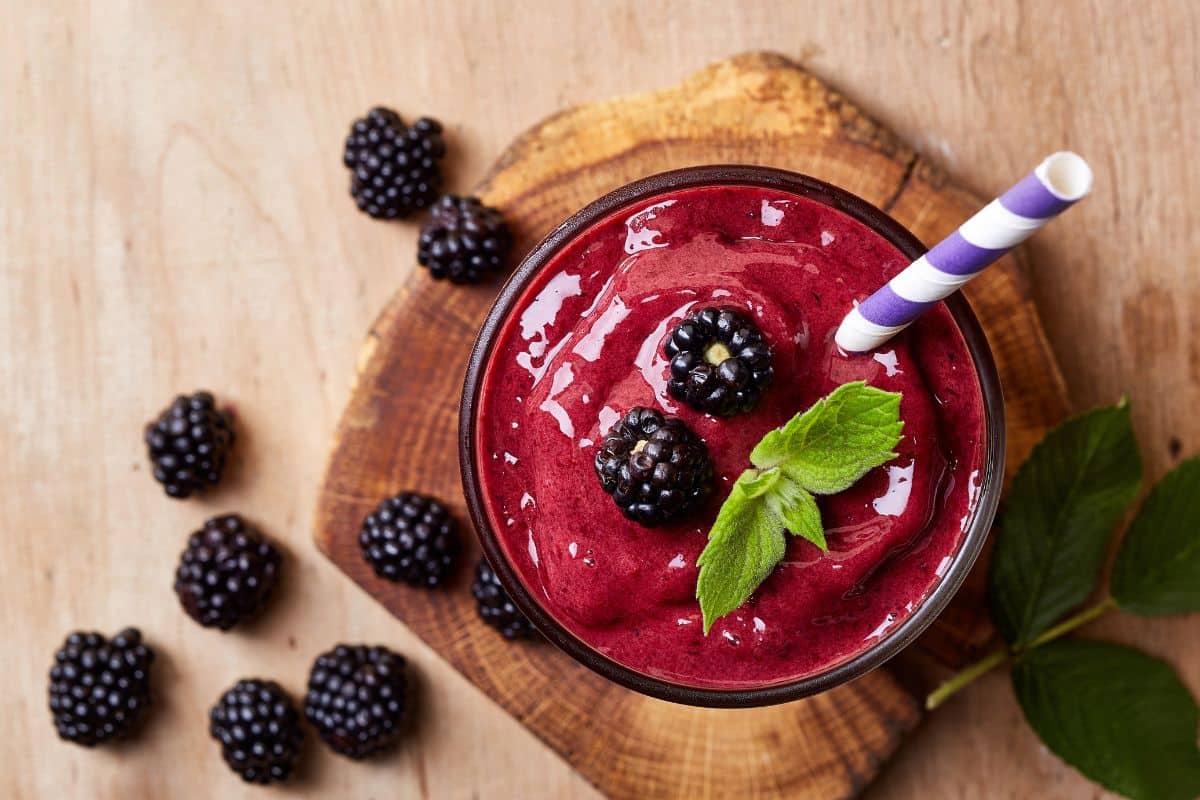
Fiber slows glucose absorption, improves insulin action, and creates stable numbers for the rest of the day.
If fruit or oats spike you right now, that doesn’t mean those foods are the problem. It means insulin resistance already exists and healthy carbs are revealing it.
Just like water backing up in a clogged sink, the water isn’t the issue, the clog is. Lower dietary fat, clear the clog, and glucose starts flowing where it belongs again.
Tip #2: Eat Greens Before Carbs
This tip is deceptively simple, and shockingly effective.
A 2023 randomized controlled trial published in Nutrients found that when people with prediabetes ate non-starchy vegetables before carbohydrates, their post-meal glucose dropped dramatically — in some cases by nearly 40%.
Why this works? Because greens act like a buffer. Their fiber slows gastric emptying and reduces how fast glucose enters the bloodstream. Instead of a sharp spike, you get a slower rise, giving insulin time to work, even if sensitivity isn’t perfect yet.
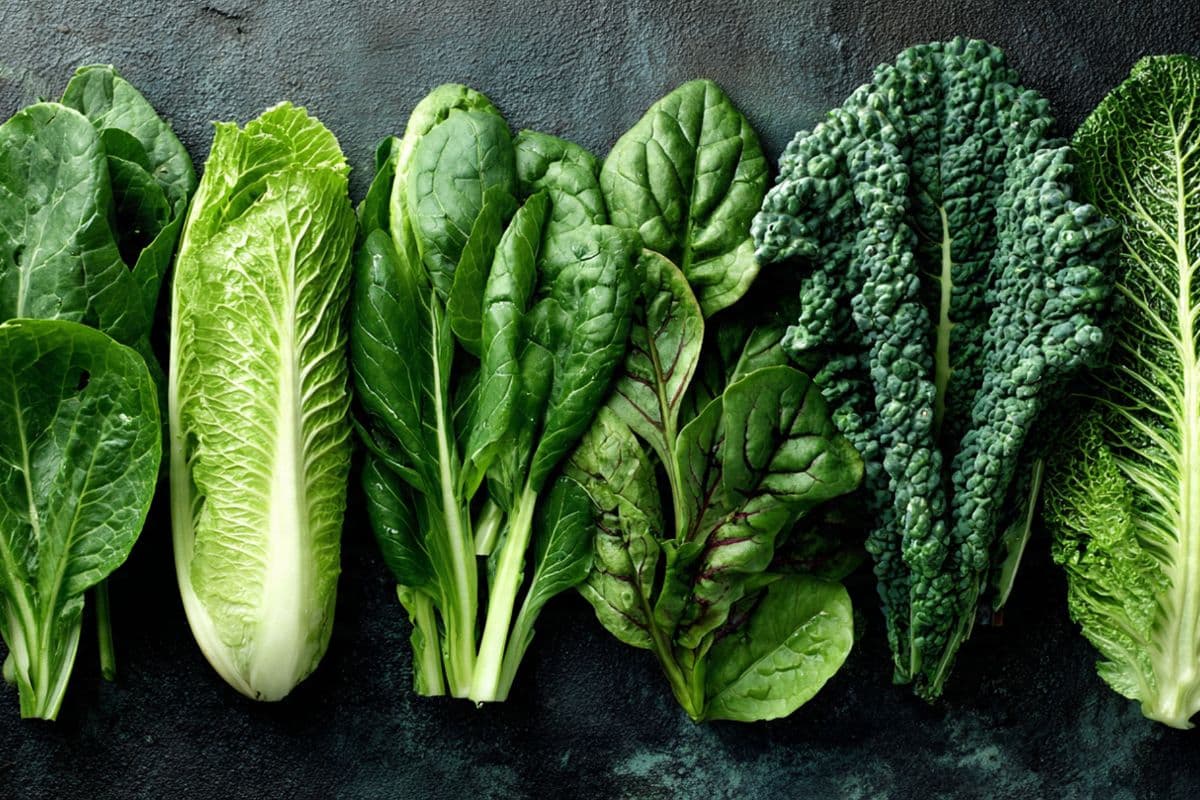
Think of greens as the glucose brakes on your meal. Any time you eat:
Eat a handful of greens first: Spinach, kale, arugula — it all works.
Tip #3: Move for 10 Minutes After Meals
This is one of the fastest ways to lower blood sugar in real time.
You don’t need a gym. You don’t need intense workouts. You just need 10–15 minutes of light movement.
A 2023 systematic review and meta-analysis in Sports Medicine found that walking immediately after meals lowered post-meal glucose more effectively than walking later or exercising at other times of day.
Post-meal movement allows muscles to absorb glucose without extra insulin. It’s like opening a second drain in a clogged sink — glucose finally has somewhere to go.

After meals, try:
Especially after dinner.
Tip #4: Hydrate to Regulate Blood Sugar
Even mild dehydration can raise blood sugar. When water intake is low:

Hydration is one of the simplest levers you can pull. Try this:
Adding lemon can provide a small bonus by supporting digestion and insulin sensitivity — not magic, but helpful.
Tip #5: Choose Whole Carbs, Not Low-Carb
Carbs don’t cause insulin resistance. Fat inside your cells does.
When dietary fat is high, fat accumulates in muscle and liver cells, blocking insulin signaling. Carbs don’t create the problem, they reveal it.
When fat is lowered and fiber is increased, whole-food carbohydrates become one of the most powerful tools for reversing insulin resistance. Foods like:
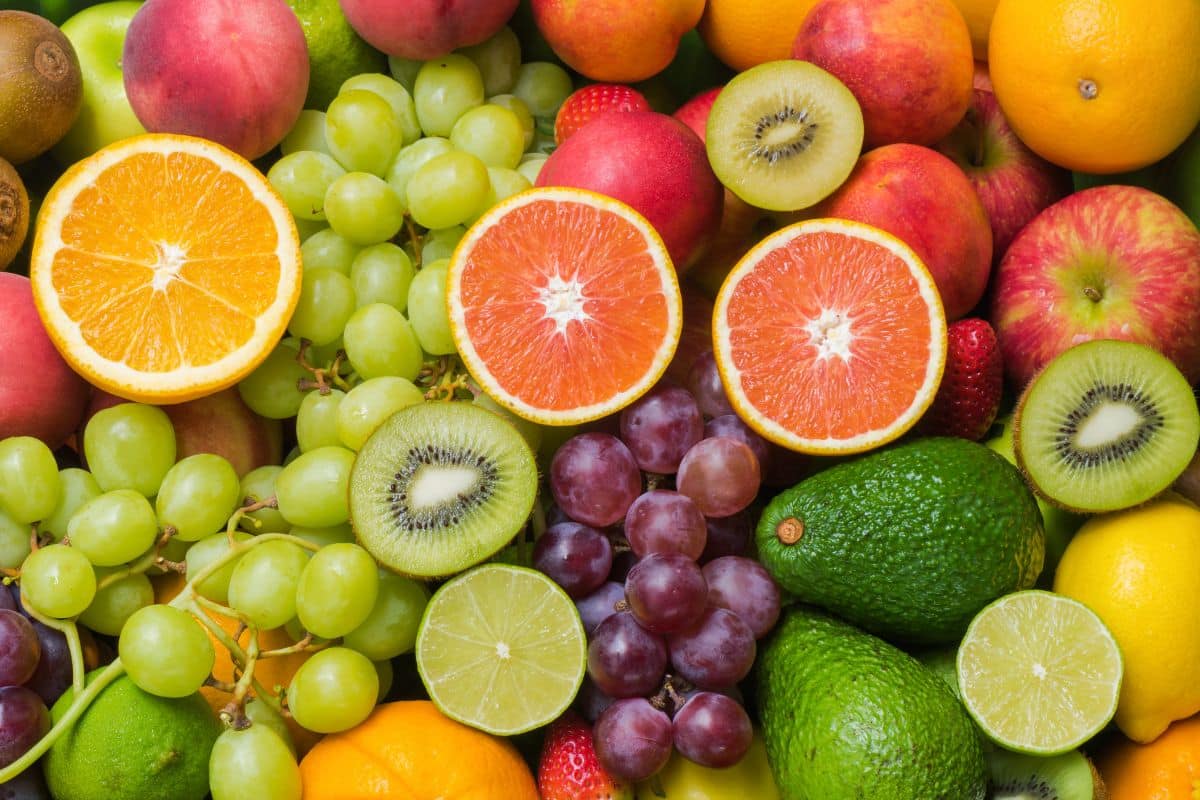
Research shows this clearly. A randomized controlled trial in the American Journal of Clinical Nutrition found that increasing whole-grain intake reduced liver fat and improved insulin sensitivity — without weight loss.
Another clinical trial showed a low-fat, plant-based, high-carb diet improved insulin sensitivity and A1c more effectively than the ADA diet, without calorie restriction.
Tip #6: Get Enough Magnesium
Magnesium deficiency is common in diabetes — and it directly impairs insulin signaling.
A landmark randomized controlled trial in Diabetes Care showed that restoring magnesium levels significantly improved fasting glucose, insulin sensitivity, and A1c in people with type 2 diabetes.
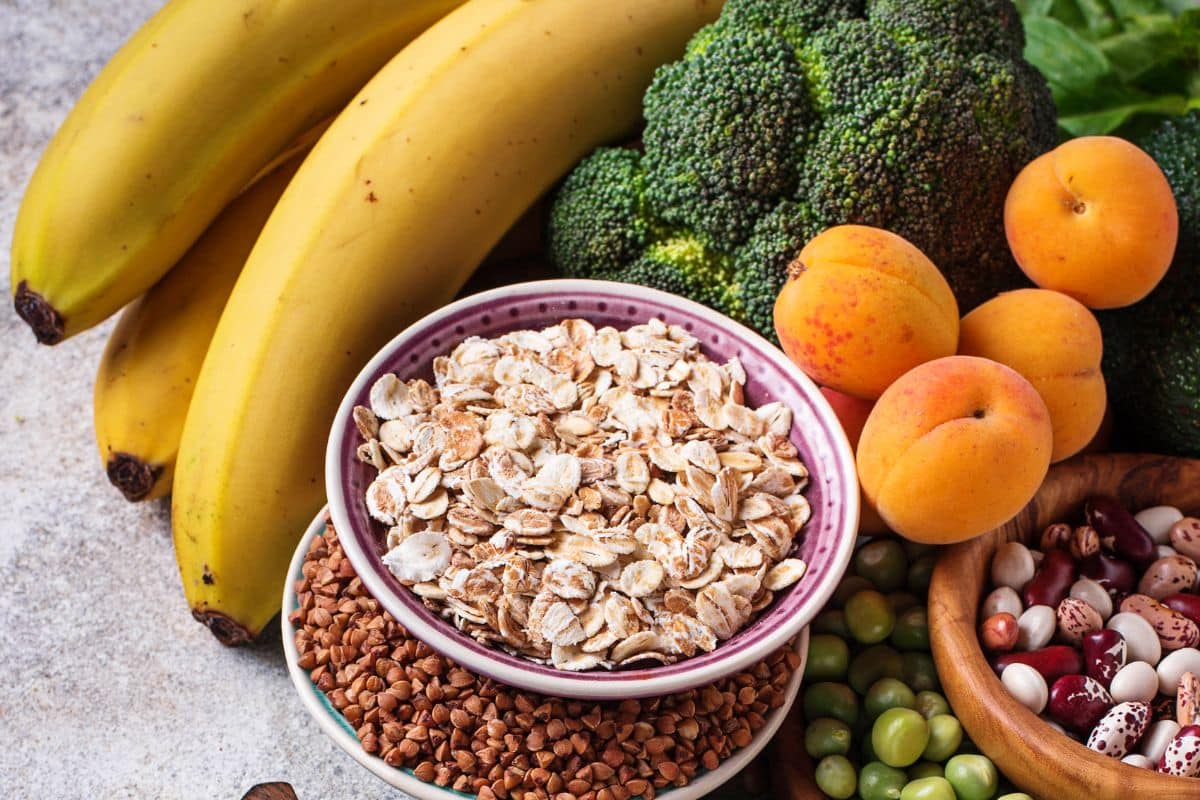
Magnesium-rich foods that fit the Mastering Diabetes Method include:
Tip #7: Use Vinegar-Based Dressings
You don’t need to drink vinegar, just use it with meals.
A study in Diabetes Care found that adding vinegar to a high-carb meal significantly reduced post-meal glucose and insulin.
Another randomized trial showed improvements in fasting glucose and insulin resistance.
Use vinegar with salads, potatoes, beans, or bowls — consistently.
Tip #8: Sleep More, Stress Less
One night of poor sleep can make you 25% more insulin resistant the next day.
Chronic stress raises cortisol, which raises glucose, regardless of diet. Improve sleep by:

Tip #9: Ditch the Oils
Even small amounts of oil can block insulin sensitivity for hours. Oils are:
- 100% fat
- 0% fiber
- Rapidly absorbed

A clinical trial in Nutrients showed that just one day of high-fat eating reduced insulin sensitivity by up to 28%.
Remove oil, and numbers often improve quickly.
The 3 Dangerous Myths
Myth #1: “Fruit spikes blood sugar”
Fruit doesn’t cause insulin resistance. Fat does.
Myth #2: “You need high protein”
Animal protein worsens insulin resistance; plant protein does not.
Myth #3: “Carbs cause diabetes”
Metabolic ward studies show high-fat diets cause insulin resistance — not carbs.
Want More Help Reversing Insulin Resistance?
Every step above helps remove fat from inside your cells so glucose can finally flow where it belongs.
If you want help making this easy, book a free discovery call with one of our advisors today and learn how the Mastering Diabetes Coaching Program can help you reclaim your health.
Lower Your A1c and Fasting Blood Sugar... Guaranteed
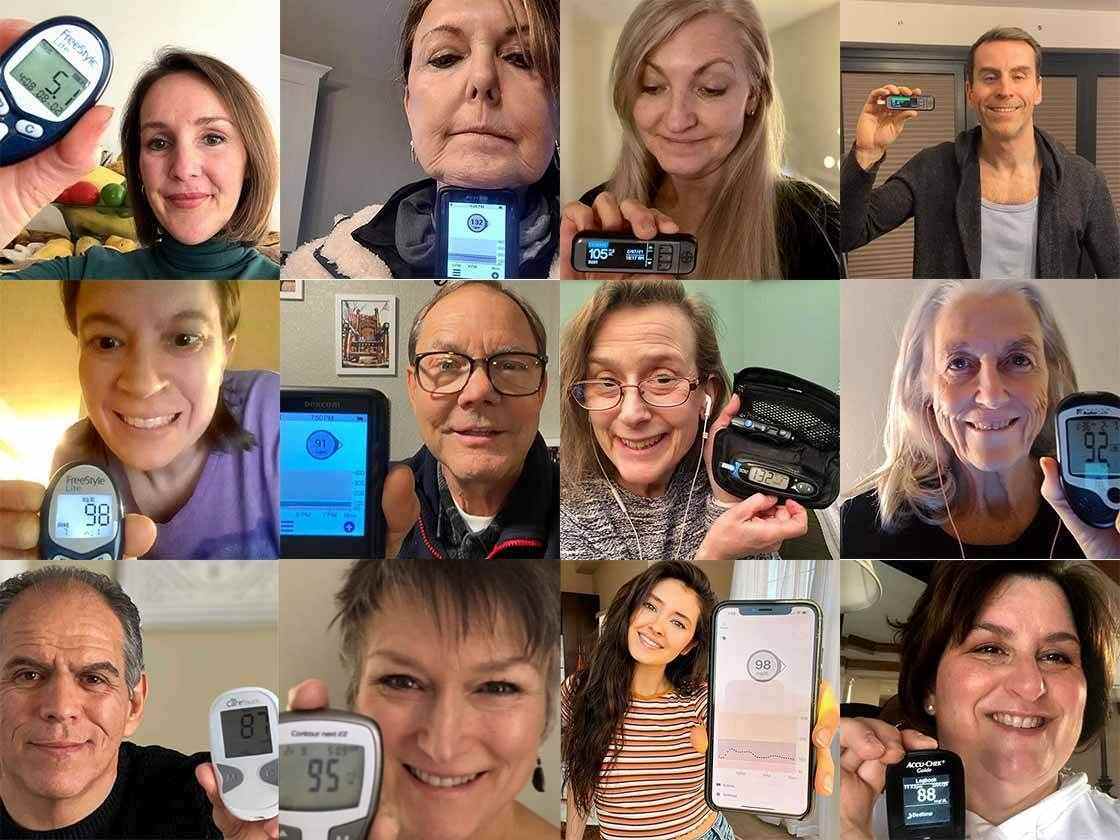
Your results are guaranteed. Join more than 10,000 ecstatic members today
Personalized coaching puts you in immediate control of your diabetes health, helps you gain energy, improves your quality of life, and reduces or eliminates your meds.