

When Lister Chen’s doctor saw his blood work, the recommendation was immediate: Medication.
His A1c was 9.9, his fasting glucose had climbed dangerously high, and with a family history of diabetes, his doctor believed medication was unavoidable. His dietitian agreed. From their perspective, diet and exercise alone would not be enough.
But Lister was not ready to accept that outcome.
Even in his 70s, he remained highly active. He exercised regularly, trained with a running group, and cared deeply about maintaining his independence and long-term health. He wanted to know if there was another path before committing to medication for the rest of his life.
That search led him to Mastering Diabetes.
Searching for a Solution Beyond Medication
Before discovering the program, Lister had already tried changing his diet multiple times. Like many people managing high blood sugar, he followed a high-protein, low-carbohydrate approach for a period of time.
His meals centered around fish, salmon, eggs, occasional steak, lamb, and other animal-based proteins. While the approach lowered his numbers slightly, the improvements were limited and difficult to sustain.
At the same time, the pressure to begin medication continued growing.
Lister had seen friends and family members rely heavily on medications while still struggling with elevated blood sugar. That made him question whether medication alone was truly solving the problem.
He wanted to address the root cause if possible.
A Last Attempt Before Medication
When Lister first saw Mastering Diabetes, he was skeptical.
The idea of eating beans, lentils, fruit, and whole carbohydrates contradicted everything he had been told about diabetes. But he also recognized that what he had already tried was not producing the results he wanted.
He viewed the program as a final opportunity to see whether lifestyle change could truly work before turning to medication.
The transition was significant.
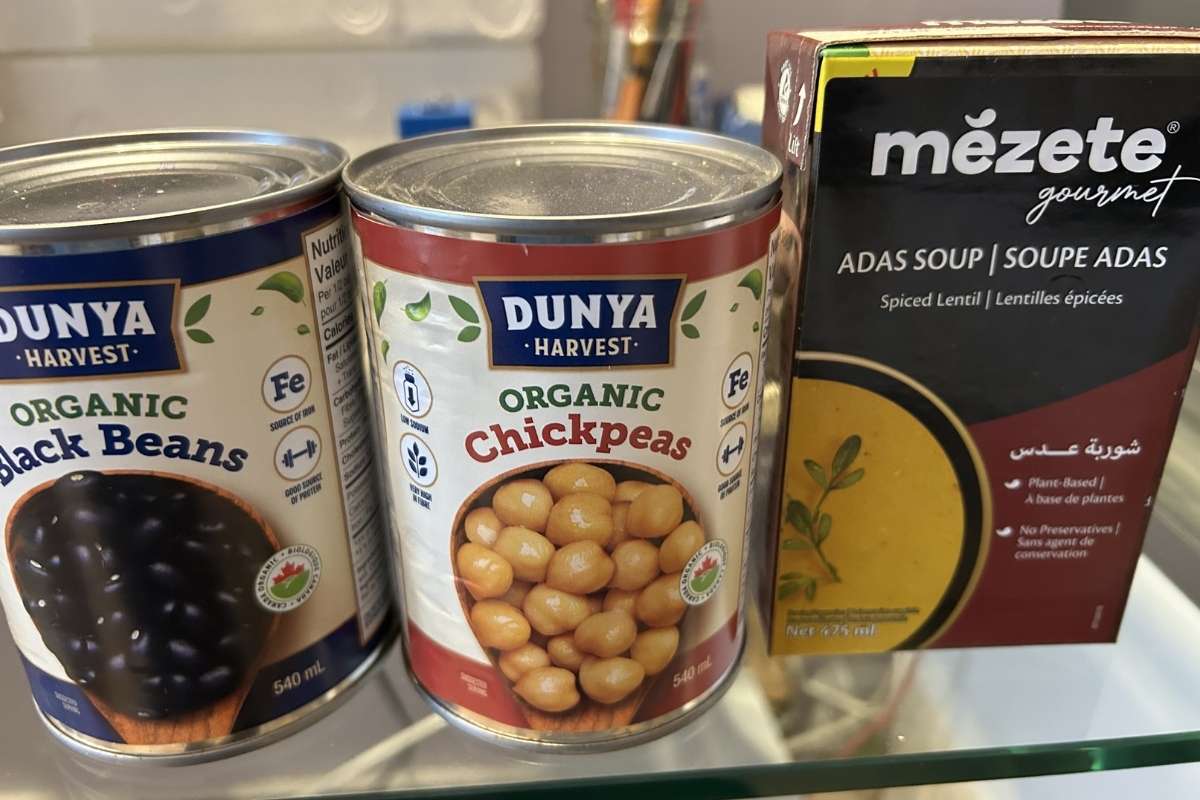
Moving from a high-protein diet to a low-fat, whole-food, plant-based approach required a complete shift in how he viewed food. Meals now centered around legumes, vegetables, whole grains, soups, and high-fiber foods instead of animal products and restriction.
At first, he wondered if he could realistically maintain it. But once he began seeing results, his mindset changed quickly.
Discovering That Healthy Eating Can Be Practical
One of the biggest concerns Lister had initially was convenience.
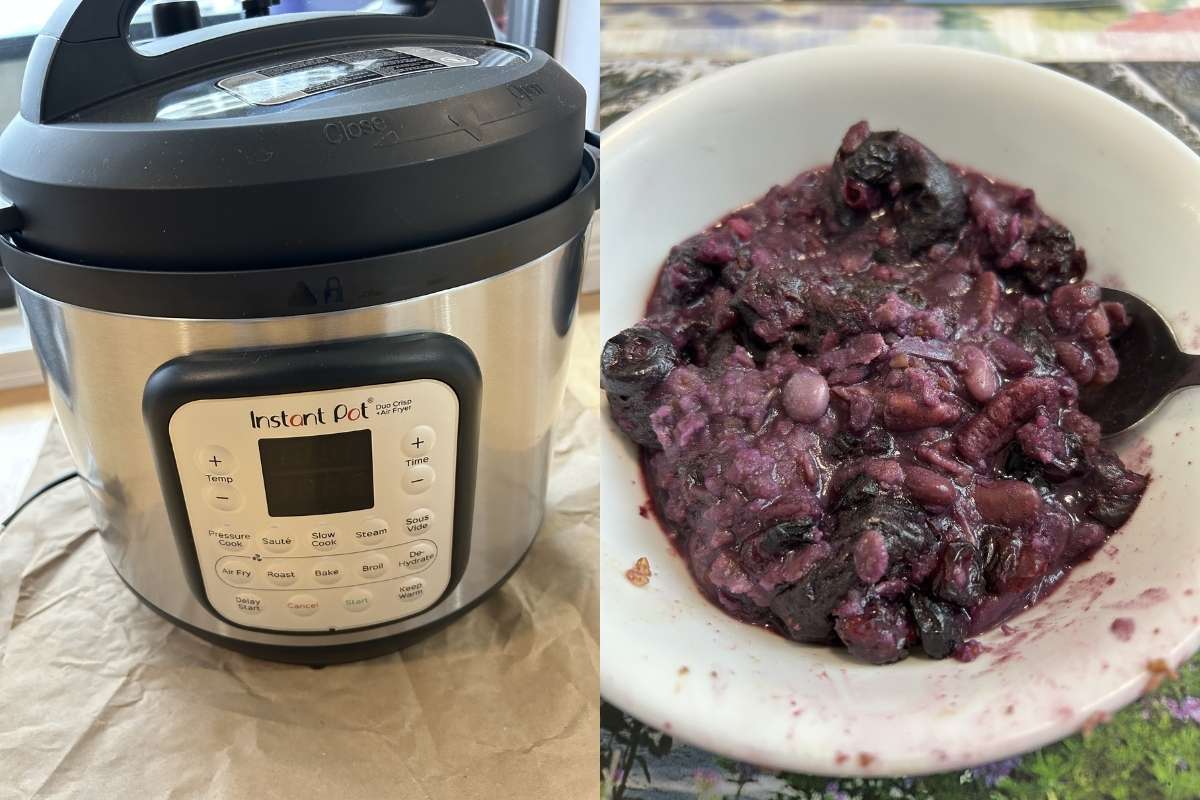
Like many people, he assumed preparing healthy meals would require hours in the kitchen every day. Instead, he discovered that simple meal preparation and batch cooking made the lifestyle manageable.
He began preparing large pots of soups, chili, beans, and lentils that could last several days. Breakfast often included beans with blueberries. Lunches became hearty soups filled with legumes and vegetables. Dinners were built around whole plant foods that were satisfying, simple, and energizing.
The more consistent he became, the easier the process felt. And the numbers continued improving.
Lister’s Before and After Results
Over time, Lister experienced dramatic improvements across multiple health markers.
Header | Before | After |
|---|---|---|
A1c (%) | 9.9 | 6.8 |
Fasting Blood Glucose (mmol/L) | 10 | 5.9 |
Weight (lbs) | 180 | 159 |

He lowered his A1c by more than three full percentage points, brought his fasting glucose close to the normal range, and lost approximately 20 pounds.
Just as importantly, he achieved these changes without medication.
More Energy and Better Athletic Performance in His 70s
One of the most meaningful parts of Lister’s transformation had nothing to do with the scale or lab work. It was how he felt physically.
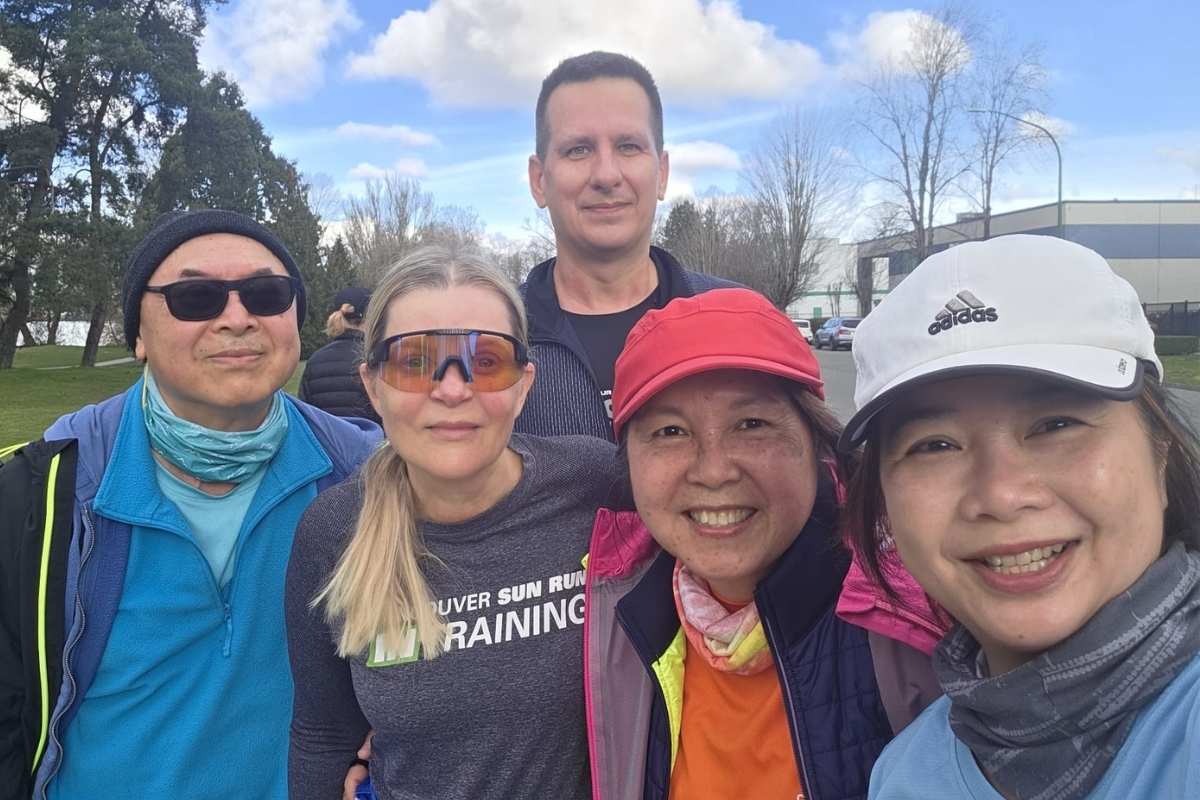
Even in his 70s, Lister continued training with a competitive running group preparing for 10-kilometer races. Most of the runners were decades younger, with an average age around 40.
Since starting the Mastering Diabetes approach, he noticed something surprising. Not only could he keep up with the younger runners, but he was often leading the group.
Hill work, sprint intervals, and trail sessions became easier. Recovery improved dramatically. While younger runners complained about soreness after training sessions, Lister often felt completely recovered the next day.
He credits the increase in energy, lighter body weight, and anti-inflammatory nature of the diet for helping him maintain his performance and recovery.
For him, the lifestyle became about much more than blood sugar. It became about vitality.

Improvements Beyond Blood Sugar
As Lister continued following the program, he noticed additional improvements in daily life.
His digestion improved significantly because of the increase in dietary fiber. He felt lighter and more comfortable after meals. His wife even noticed visible changes in his skin quality and overall appearance.
Perhaps most importantly, he became more aware of how certain foods affected him.
Occasionally, if he ate foods from his old diet, such as burgers or fries, he noticed the difference almost immediately. Because he had become accustomed to eating clean, high-fiber foods, heavier meals no longer made him feel good.
Instead of craving those foods, he began naturally preferring the way he felt eating whole plant foods.

Finding Confidence Through Structure and Community
Lister also appreciated the support structure within the program.
Weekly coaching calls allowed him to hear from others facing similar struggles. Some participants were working through medication reduction, while others were newly diagnosed or trying to avoid progression.
Listening to these stories helped reinforce that he was not alone. The community also showed him that success was possible across many different situations and ages.
That consistency and accountability helped him stay committed during the early stages of the transition.

Changing More Than Physical Health
For Lister, one of the biggest transformations was mental.
Before the program, diabetes felt like something inevitable and progressive. He worried about where his health would be in the future, especially after seeing the experiences of friends and family members living with diabetes.
Now, he feels optimistic.
He believes his future health is something he can actively influence through his daily choices. Instead of feeling trapped by genetics or age, he feels empowered by the knowledge that insulin sensitivity can improve.
That mindset shift changed how he views aging altogether.
What Lister Wants Others to Know
Lister believes many people assume it is too late to make meaningful changes, especially as they get older.
His experience taught him the opposite.
He wants others to know that improving blood sugar, losing weight, increasing energy, and improving physical performance are all still possible later in life.
It is never too late to improve your health. And sometimes, the changes happen faster than you expect.
Ready to See Results Like Lister?
If you are struggling with rising A1c, high fasting glucose, weight gain, or fear that medication is your only option, Lister’s story shows that another path is possible.
Book a free discovery call with one of our advisors and learn how to begin your own transformation.
Lower Your A1c and Fasting Blood Sugar... Guaranteed
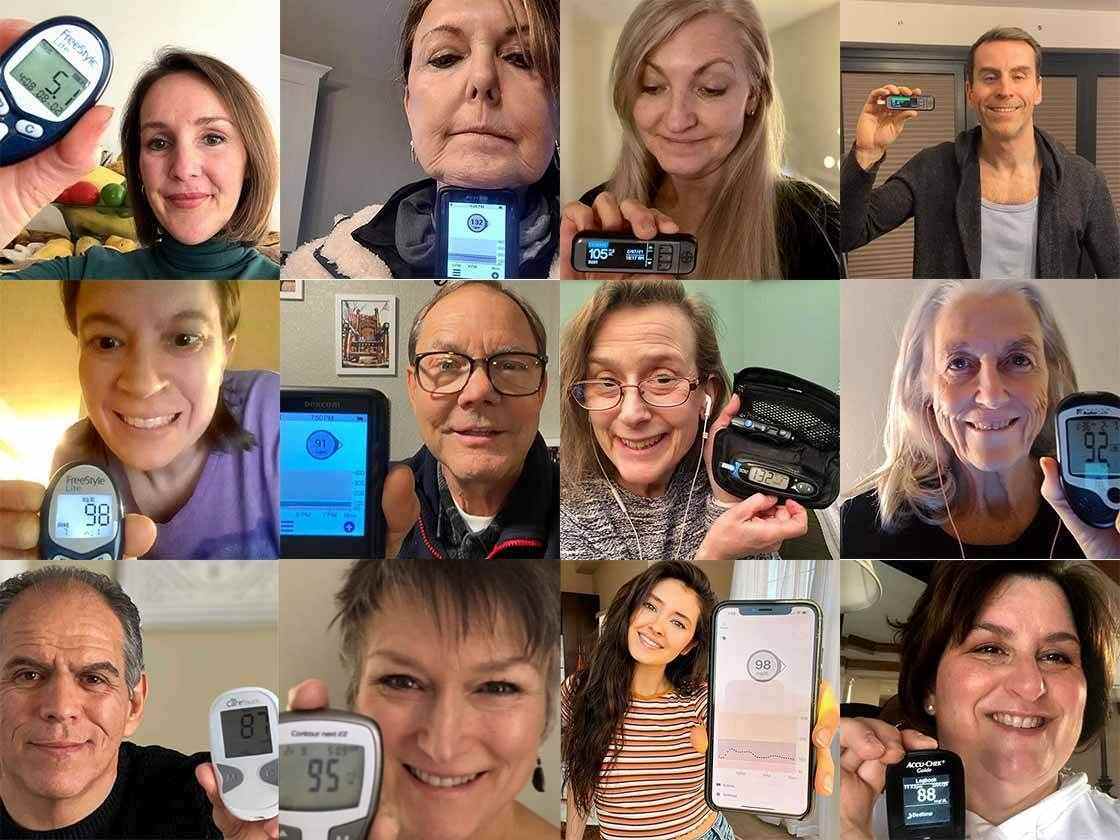
Your results are guaranteed. Join more than 10,000 ecstatic members today
Personalized coaching puts you in immediate control of your diabetes health, helps you gain energy, improves your quality of life, and reduces or eliminates your meds.