


If your fasting blood sugar is high, even though you’re eating “healthy,” taking medication, or cutting carbs, there’s a good chance you’re focusing on the wrong target.
For most people, the real issue isn’t what they ate the night before. It’s liver fat.
When fat builds up inside your liver cells, your liver becomes insulin resistant. And when the liver is insulin resistant, it fails to shut off its internal glucose production overnight.
The result? Your liver keeps releasing glucose into your bloodstream while you sleep — which is why your fasting blood sugar is high in the morning.
In this article, you’ll learn three scientifically proven ways to reduce liver fat and, as a result, lower fasting blood sugar naturally. Every strategy below is backed by real human trials, not theories, not opinions.
Why Liver Fat Drives High Fasting Blood Sugar
Your liver plays a central role in blood sugar regulation.
During the night, your liver releases glucose to keep your brain and organs fueled. Under normal conditions, insulin tells the liver when to turn that faucet off.
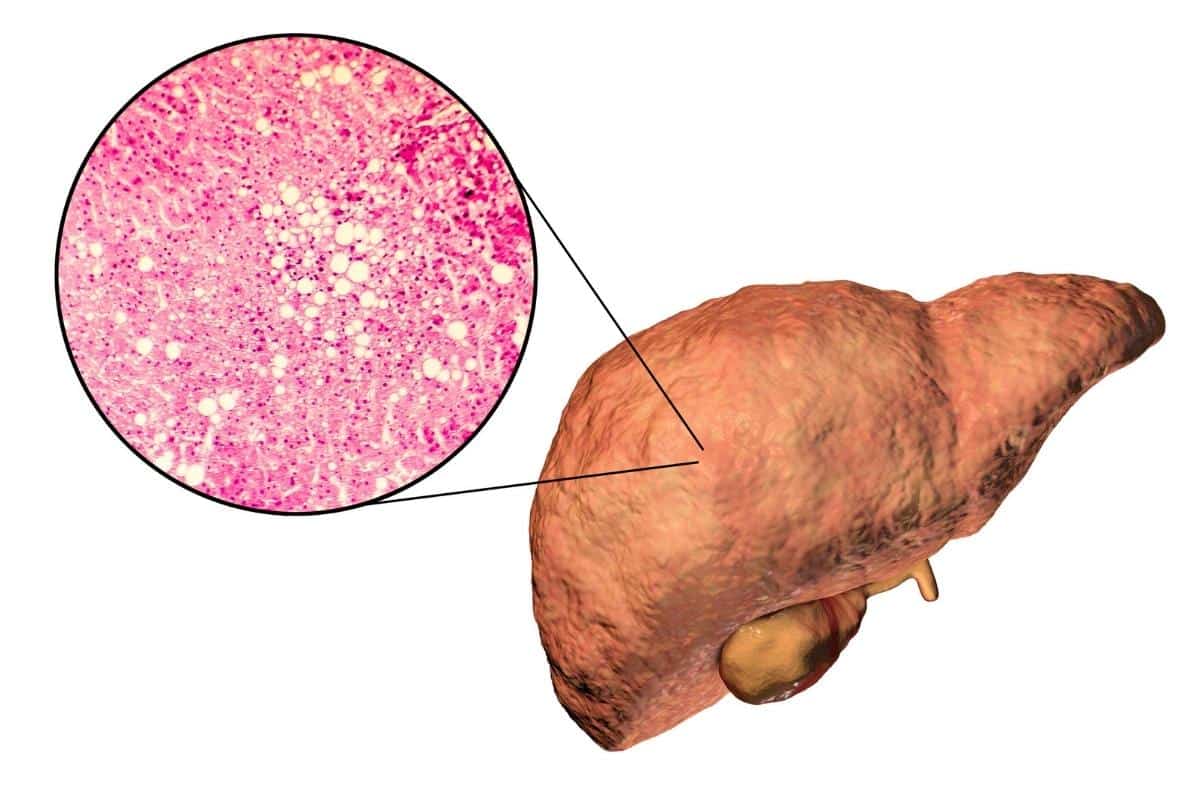
But when fat accumulates inside liver cells (especially saturated fat) the liver stops responding properly to insulin. That means:
This happens independent of carbohydrate intake. The key to fixing fasting blood sugar is restoring liver insulin sensitivity, and that starts with reducing liver fat.
Method #1: Reduce Dietary Saturated Fat (The Strongest Lever)
The most powerful driver of liver fat accumulation is saturated fat. Foods high in saturated fat include:
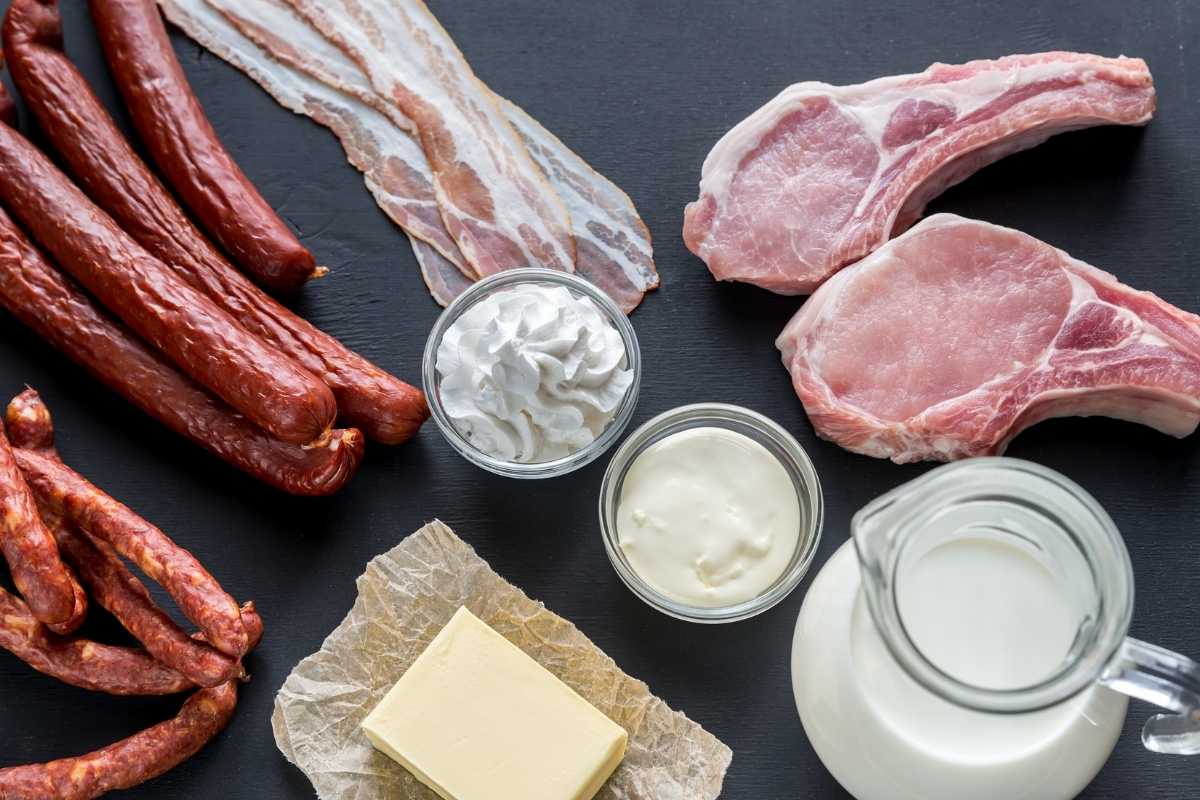
Saturated fat preferentially accumulates in liver cells, where it interferes with insulin’s ability to suppress glucose production.
One of the clearest studies demonstrating this was published in Diabetes Care. Healthy adults were overfed for three weeks with the same number of extra calories. Weight gain was similar across all groups, the only difference was the type of calories:
- One group overate saturated fat (butter, blue cheese, coconut oil)
- One group overate unsaturated fat (olive oil, nuts, pesto)
- One group overate simple sugars
The saturated-fat group accumulated twice as much liver fat as the unsaturated-fat group, significantly more liver fat than the sugar group, and showed worse insulin sensitivity.
Calories were not the deciding factor, the type of fat was. When saturated fat flooded the liver, insulin could no longer shut off glucose production, even though body weight was similar.
Reducing saturated fat leads to:
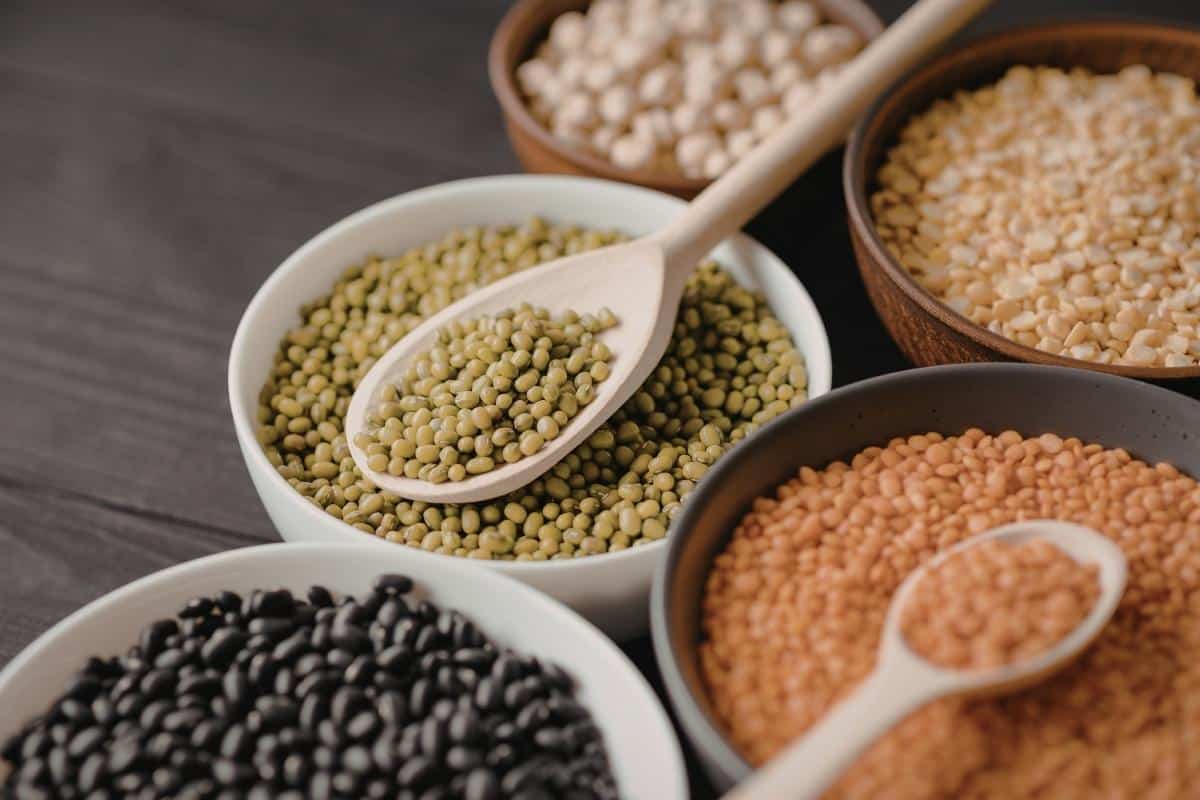
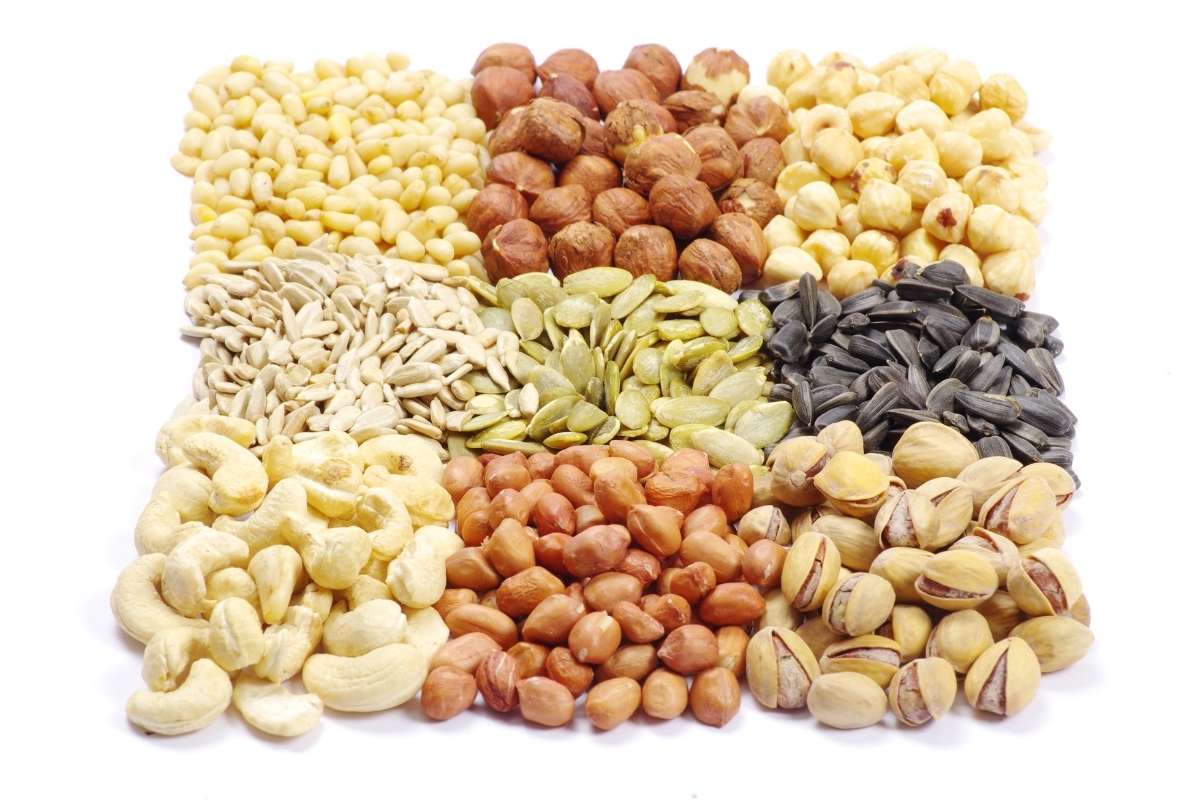
Replace red meat and poultry, dairy, eggs, coconut products and oils used for cooking with:
Low-fat, high-fiber foods don’t get stored as liver fat — they help remove it.
Method #2: Time-Restricted Eating (Fasting That Targets Liver Fat)
The second proven way to reduce liver fat is time-restricted eating (TRE). When you stop digesting food for an extended window, your body shifts from fat storage to fat oxidation, including fat stored in the liver.

A 2025 randomized controlled trial published in Scientific Reports gives us clear evidence. Adults with metabolic-associated fatty liver disease were divided into two groups:
- 16:8 time-restricted eating + DASH-style diet
- Standard calorie-restricted diet with normal meal timing
Calories and weight loss were similar. Only the time-restricted group experienced:
Why fasting (TRE) works for the liver? Because it increases:

When paired with a low-saturated-fat, high-fiber diet, TRE creates an ideal environment for liver healing. To apply it, keep it simple:
Timing plus food quality is what makes this effective.
Method #3: Increase Fiber Intake From Whole Plant Foods
One of the most underrated tools for reducing liver fat is dietary fiber, and we now have strong population-level data using direct liver fat measurements, not questionnaires.
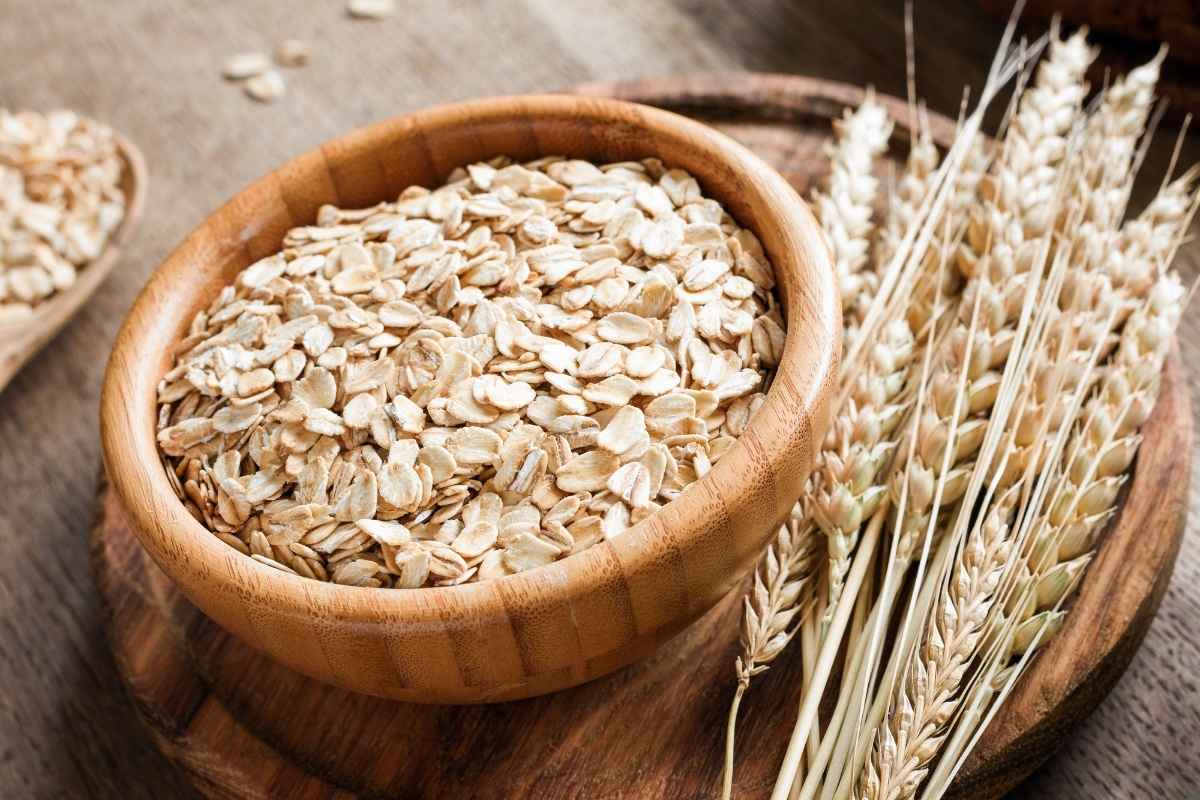
A 2024 analysis of nearly 6,000 Americans using NHANES data assessed liver fat using CAP (Controlled Attenuation Parameter). Researchers found higher fiber intake was associated with lower liver fat, even after adjusting for:
- BMI
- Diabetes status
- Cholesterol
- Age and sex
Fiber itself acted as a protective factor for the liver. High-fiber foods reduces liver fat by:

As liver insulin sensitivity improves, overnight glucose release drops — and fasting blood sugar falls. Some of the best high-fiber, liver-friendly foods are:
These foods don’t “detox” the liver, they change how it metabolizes fat.
Method #4 (Bonus): Zone 2 Cardio to Burn Liver Fat Without Weight Loss
One of the most reliable ways to reduce liver fat independent of weight loss is moderate-intensity aerobic exercise, often called Zone 2 cardio. This is the intensity where:

A landmark randomized controlled trial by Sullivan et al. demonstrated this clearly. Adults with fatty liver were assigned to:
- 16 weeks of moderate aerobic exercise (5 days/week)
- Or no exercise
Calories, diet, and weight stayed the same. The exercise group experienced:
The benefit came entirely from the exercise itself, not from weight loss. Zone 2 cardio and moderate aerobic exercise help the liver by increasing:

Unlike HIIT, Zone 2 is sustainable. You can do it daily, and you actually feel good doing it. To do it, keep it simple:
Putting It All Together
If fasting blood sugar is high, here’s what’s happening:
Lower liver fat, and fasting blood sugar follows.
Want More Help Reversing Insulin Resistance?
If you want a clear, step-by-step roadmap — including low-saturated-fat meals, high-fiber recipes, and daily habits that restore liver insulin sensitivity — book a free discovery call with one of our advisors today and learn how the Mastering Diabetes Coaching Program can help you reclaim your health.
Lower Your A1c and Fasting Blood Sugar... Guaranteed

Your results are guaranteed. Join more than 10,000 ecstatic members today
Personalized coaching puts you in immediate control of your diabetes health, helps you gain energy, improves your quality of life, and reduces or eliminates your meds.