
Time to Do the Work
When Covid hit in 2020, Stephen decided to make the most of his time at home, while most of the world was on pause – so he started working 1:1 with Robby to help him gain better control of his diabetes.
Stephen had been living with type 1 diabetes since he was 8 years old. Throughout his childhood and college years, he had played multiple sports – basketball, baseball, football – and this regular physical activity had helped him to stay fit and have better blood sugar control.
A few years after graduating from his undergraduate program, Stephen found that his health had taken a turn for the worse. He was less active, he’d gained about 30 pounds, his blood sugar levels were all over the place, and he was feeling lethargic.
In an attempt to address this, he had been learning about the Mastering Diabetes Method. He had started making adjustments to his diet on his own, and attended a Mastering Diabetes retreat to get a week of individualized in-person support.
At the retreat, he experienced what is possible when you truly commit to this method 100%. That was what motivated him to reach out to Robby for continued support, so that he could fully integrate the teachings into his life and create a healthy lifestyle that was sustainable for him.
Understanding Your Body is Underrated
Through both experiences, Stephen gained a much deeper understanding of his body and how different things affect it. He not only learned what habits to build into his life to create his optimal health, but also what to do in the moments where he doesn’t stick to those habits. He’s found what works for him 95% of the time, and in the other 5% he knows how his body will respond and how he can address things in those cases. This has been huge because he feels the freedom and confidence to live his life. He knows how things will go and what to do – no more blindly fumbling through guessing games.
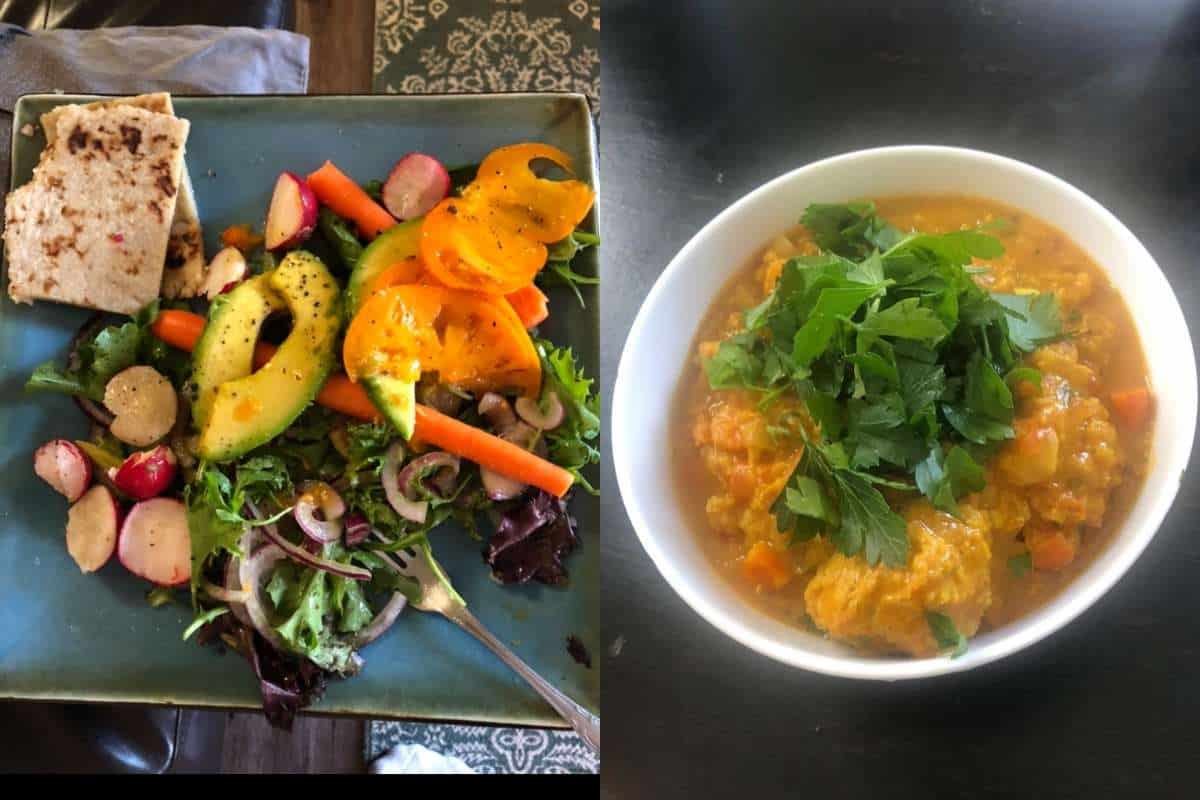
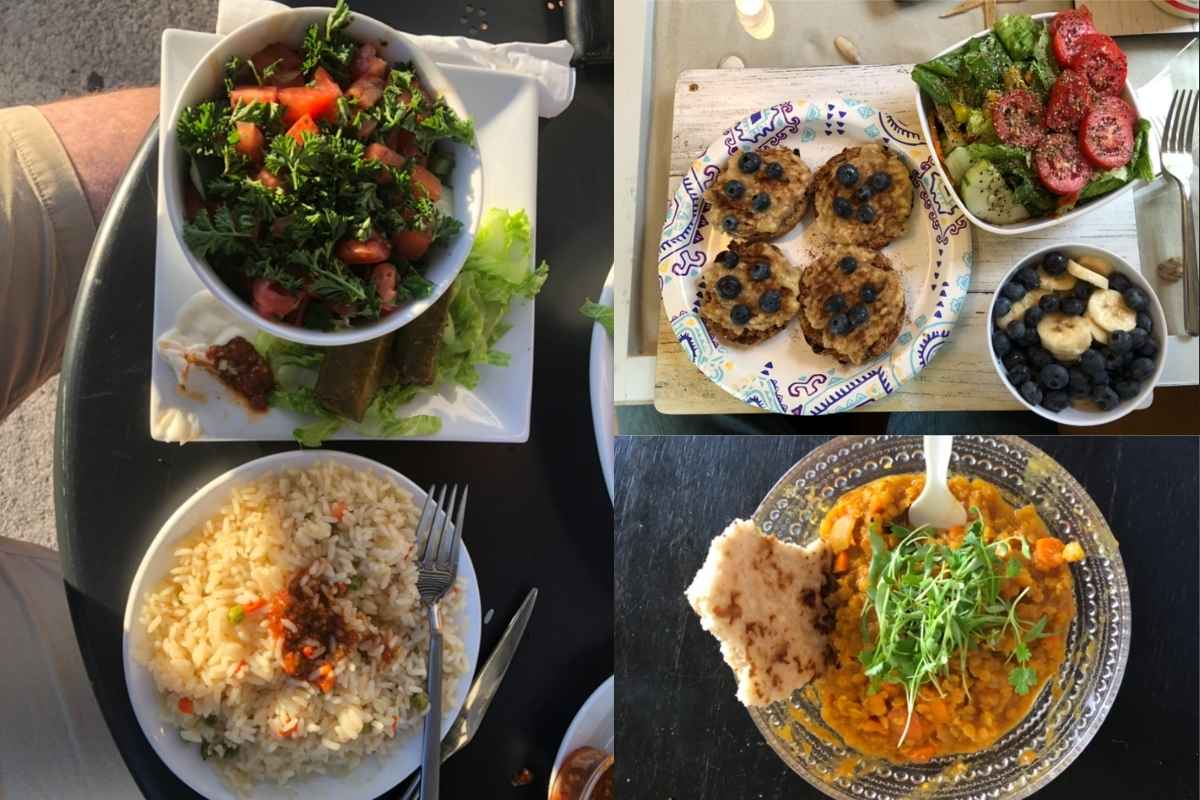
He’s found that the #1 most effective thing he can do to support his diabetes health is to keep his fat intake low. Before learning the Mastering Diabetes Method, Stephen typically ate 40-50 grams of fat per meal. Now, he’s reduced that to 10 or less. He also tries to include a salad with every meal, because that helps the blood glucose response to be ideal even when including yellow light foods like bean pastas or sprouted breads.
He also saw firsthand how exercise affects his blood sugar levels – and how every little bit is worth it. Although he often runs, does bodyweight exercises, or takes fitness classes, Stephen has found that even a short and easy walk has a noticeable effect on lowering his blood sugar.
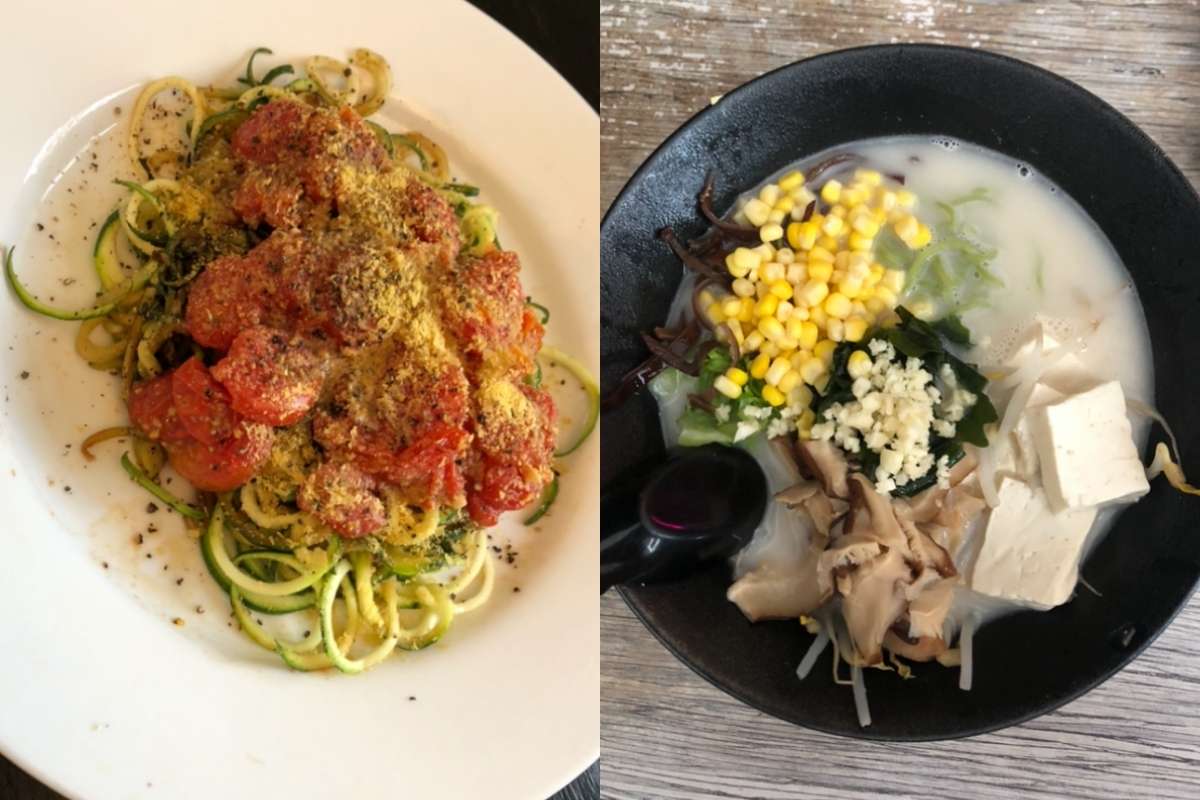
Eat to Live, Not Live to Eat
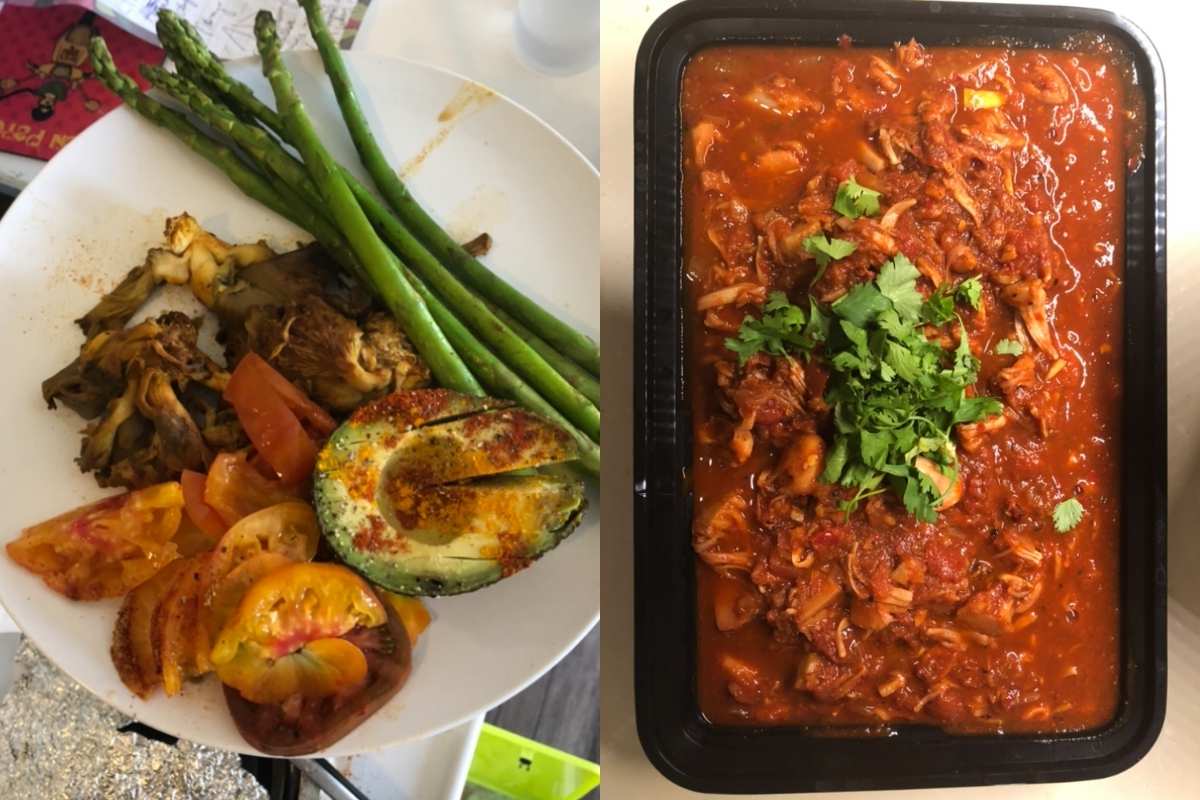
Stephen grew up in an Italian family eating things like heavy pasta dishes, meat, and mashed potatoes and gravy. Transitioning to a low-fat plant-based whole food diet took work, but he’s found what he enjoys and it makes it easy to be motivated when the results are obvious. In fact, what he used to indulge in occasionally as “cheat meals” don’t even taste or feel good to him anymore. The Mastering Diabetes Method has become his new normal.
The Fruits of His Efforts
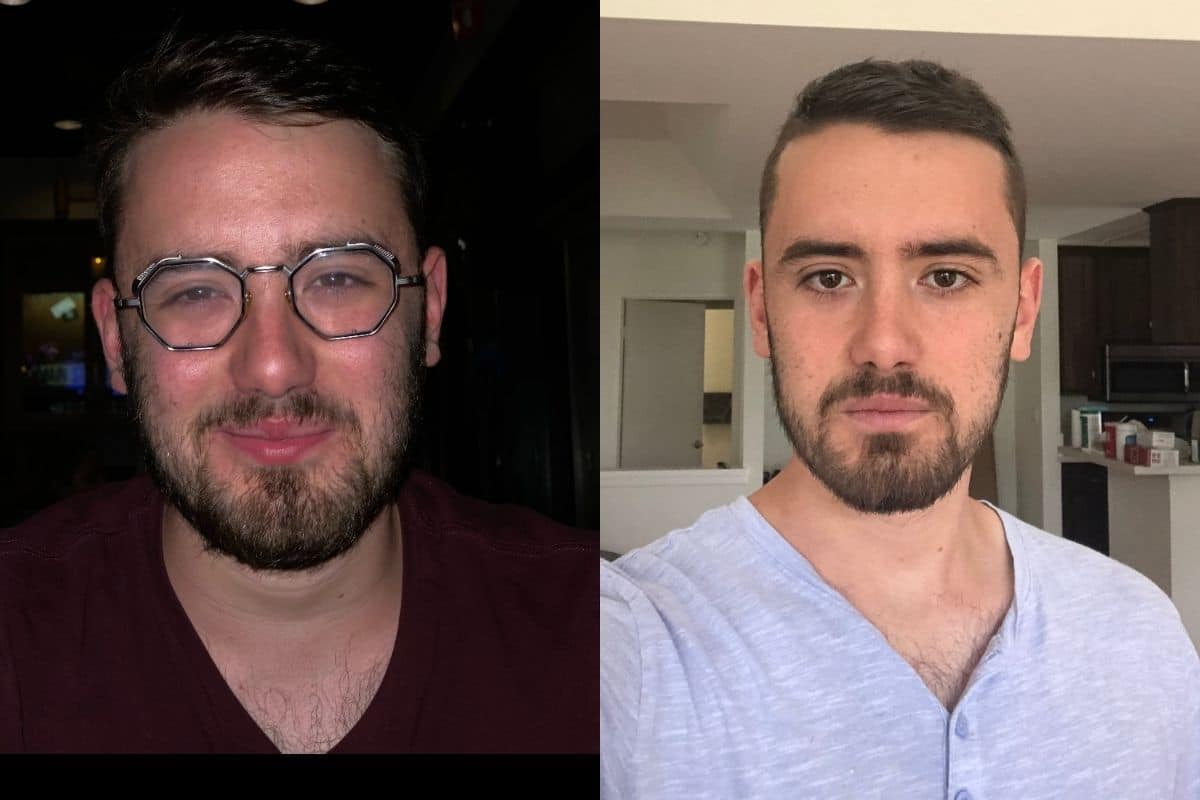
Prior to working with Mastering Diabetes, Stephen’s A1c was 7.7%. After the retreat, it was at 7%, and after doing private coaching with Robby, he brought it down to 5.5%.
Whereas he used to wake up and test a fasting blood glucose of 160-200, he now is typically between 70-100. He also lost 30 pounds.
Header | July 2020 | October 2020 |
|---|---|---|
A1c (%) | 7.7 | 5.5 |
Fasting Blood Glucose (mg/dL) | 160-200 | 70-100 |
Weight (lbs) | 220 | 188 |
Carbohydrates p/day (g) | 200 | 400 |
Fat p/day (g) | 100 | 30 |
Basal Insulin (units) | 25 | 13 |
Carbohydrate to Insulin Ratio | 10:1 | 20-30:1 |
Stephen has learned how his carbohydrate-to-insulin ratio is influenced by his meals. When he’s eating a whole food plant-based diet, his ratio is 20:1. With exercise, the ratio bumps up to 25:1. And when exercise is paired with a raw food meal such as a big salad piled high with fruit, the ratio is 30:1.
No More Emotional Eating
Another big shift that he made was in his emotional regulation. At the Mastering Diabetes retreat, Stephen realized that he was using food as a coping mechanism and emotional crutch. This was another motivator for signing up for private coaching – he wanted to overcome this pattern and find healthier ways to deal with difficult emotions and life challenges.
He’s successfully done that, and that is one of the things he is most proud of. While he used to turn to food in moments of low self-esteem or when faced with grief or discomfort, this is no longer true. Today, Stephen says his self-esteem has skyrocketed. And rather than turning to comfort foods when he needs emotional support, he’s learned to feel his emotions and face his struggles head-on.
It’s a Choice! Do It Because You Want To
Stephen stresses the importance of your mindset and making things practical. Eating this way should feel like an empowered choice – something you are doing because you WANT to, not because you HAVE to. Additionally, you have to find what you can do 95% of the time, so that it is sustainable. You want to build a lifestyle that you can stick to for years.
This method works – but you have to make it work for you. Stephen’s done that and he is an example of what can happen when you do.
Lower Your A1c and Fasting Blood Sugar... Guaranteed
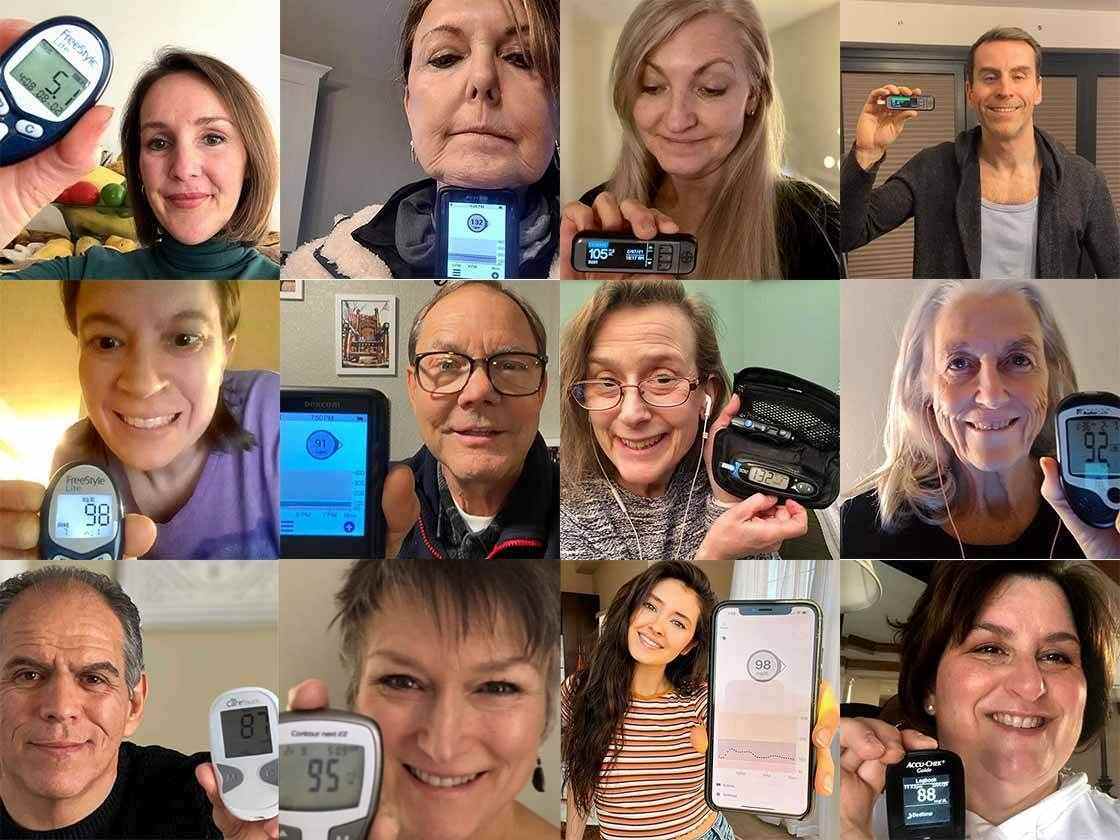
Your results are guaranteed. Join more than 10,000 ecstatic members today
Personalized coaching puts you in immediate control of your diabetes health, helps you gain energy, improves your quality of life, and reduces or eliminates your meds.