



Have you ever looked at your belly and wondered why this fat won’t go away, no matter how clean you eat or how hard you try?
You lose weight everywhere else, but the belly stays. Your fasting blood sugar stays high. Insulin resistance feels stuck. If that sounds familiar, here’s the truth most people never hear: Visceral fat is not normal body fat.
And when you target it correctly, it’s actually the easiest fat to lose.
Even better — when visceral fat melts, your fasting blood sugar improves, insulin sensitivity increases, and your liver restarts normal glucose control.
In this article, you’ll learn the exact metabolic playbook, backed by randomized trials and metabolic ward studies, that can reduce visceral fat in as little as 30 days.
Why Visceral Fat Is Different (and More Dangerous)
Visceral fat isn’t the pinchable fat under your skin. It sits deep in your abdomen, wrapped around your liver, pancreas, and intestines. And unlike subcutaneous fat, visceral fat is metabolically active. 24 hours a day, it releases:

Think of visceral fat as a toxic factory operating inside your abdomen.
Even worse, visceral fat has more cortisol receptors andi nsulin-blocking receptors than almost any other fat tissue in the body.
That’s why people with visceral fat often wake up with high fasting blood sugar, even when dinner looked “perfect.”
The liver is clogged. Insulin can’t shut off glucose production overnight
Why Fasting Blood Sugar Isn’t Random
Morning blood sugar isn’t about what you ate last night, it’s about what’s happening inside your liver and muscle cells.
Think of your cells like sinks:
- Insulin is the key that opens the drain
- Glucose is the water
When fat builds up inside liver and muscle cells, the drain gets jammed. Glucose can’t flow in — so it stays in your bloodstream.
This has been proven repeatedly in controlled feeding trials.
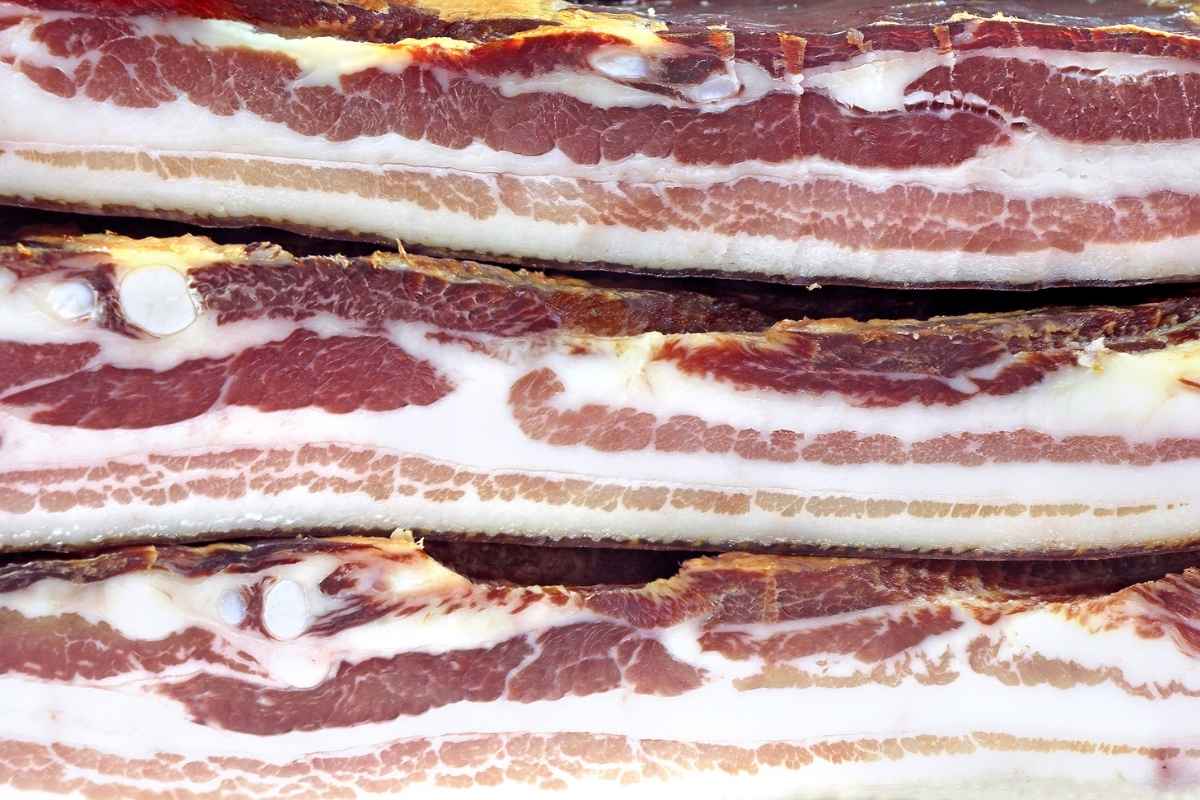
In one of the clearest examples comes from a randomized trial published in Diabetes Care, participants ate the same number of calories, the only difference was the type of fat. The saturated-fat group developed:
Without weight gain.
This is why cutting carbs doesn’t fix fasting blood sugar. The root cause is fat inside the liver.
Method #1: Low-Fat, Whole-Food, Plant-Based Eating (The Liver Unlock)
If you take nothing else from this article, take this:
Lowering saturated fat is the fastest way to melt visceral fat and lower fasting glucose.
A 2020 randomized controlled trial published in JAMA Network Open put adults on a low-fat, plant-based diet. The results:
And here’s the key: This happened without calorie restriction.
People ate until satisfied — they simply removed the fat clogging their liver.
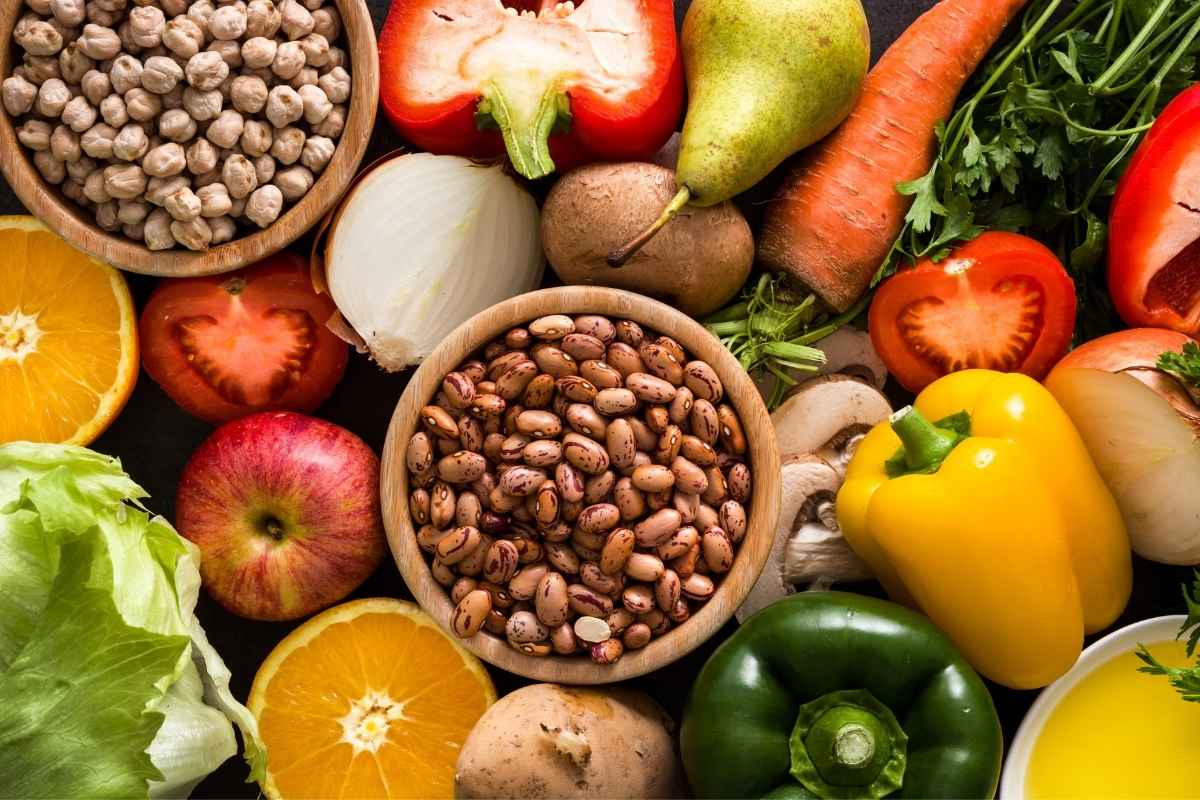
What to eat to melt visceral fat
No oil. Low saturated fat. High fiber.
This combination is lethal — to visceral fat.
Method #2: Time-Restricted Eating (The Insulin-Off Switch)
Visceral fat responds rapidly when insulin levels stay low for extended periods. That’s why time-restricted eating (TRE) works so well.
A 2023 single-blind randomized crossover trial in people with fatty liver disease tested a 16:8 fasting schedule. Even without major calorie changes, the fasting group experienced:

Why fasting works
When insulin is high, fat storage is locked.
When insulin is low, the door opens, and stored liver fat is released. Visceral fat responds first.
How to apply TRE safely
This gives your liver long, uninterrupted windows to clear stored fat.
Method #3: Zone 2 Cardio (The Visceral Fat Furnace)
If you had to choose one exercise to reduce visceral fat, it would be Zone 2 cardio. Light-to-moderate, steady movement:
This is the metabolic sweet spot for burning fat.

In the RAED2 randomized controlled trial, adults with type 2 diabetes and fatty liver completed four months of aerobic training. They experienced:
Diet stayed largely the same. You don’t need brutal HIIT. You need consistent, moderate movement.
How to do Zone 2
If you can walk and breathe comfortably, you can melt visceral fat.
Method #4: High-Fiber Foods (The Fat-Flush Mechanism)
Fiber is one of the most powerful (and underrated) tools for reducing visceral fat. A six-month intervention published in Nutrients increased fiber intake from ~19 g/day to ~29 g/day. Participants saw:
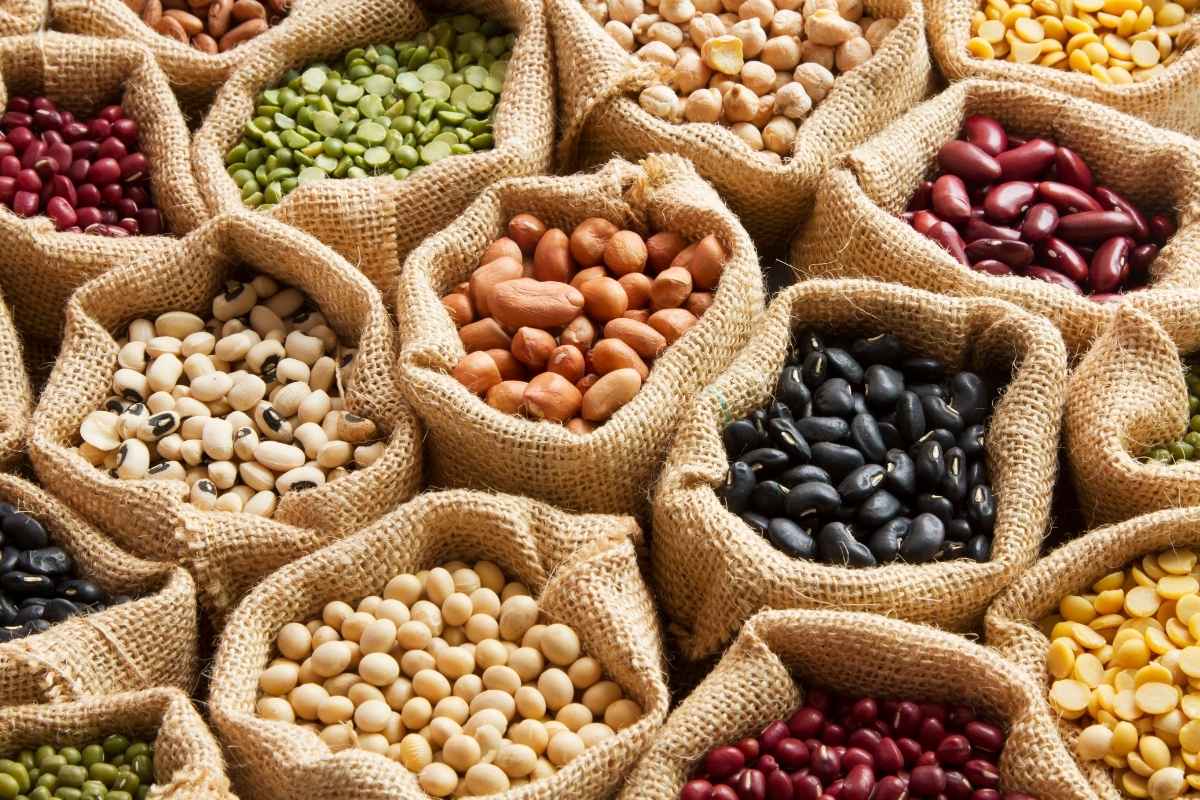
Why fiber works
Most people aren’t carb intolerant. They’re fiber deficient.
Method #5: Keep Saturated Fat Low (The 24-Hour Turnaround)
Saturated fat has a uniquely powerful effect on insulin resistance, even short-term.

In a controlled overfeeding study, participants ate extra calories for just three weeks. The saturated-fat group developed:
Calories stayed the same and weight barely changed. The difference was fat type.
Lowering saturated fat gives your liver and insulin receptors room to breathe — often within days.
Your 30-Day Visceral Fat Blueprint
Daily
4–5 days/week
Every meal
Every week
The Bottom Line
If you follow this playbook:
This isn’t hype. This is physiology. And it’s what we see inside Mastering Diabetes every single week.
Want This Made Simple?
If you want a clear, step-by-step roadmap — including low-saturated-fat meals, high-fiber recipes, and daily habits that restore liver insulin sensitivity and melt visceral fat — book a free discovery call with one of our advisors today and learn how the Mastering Diabetes Coaching Program can help you reclaim your health.
Lower Your A1c and Fasting Blood Sugar... Guaranteed
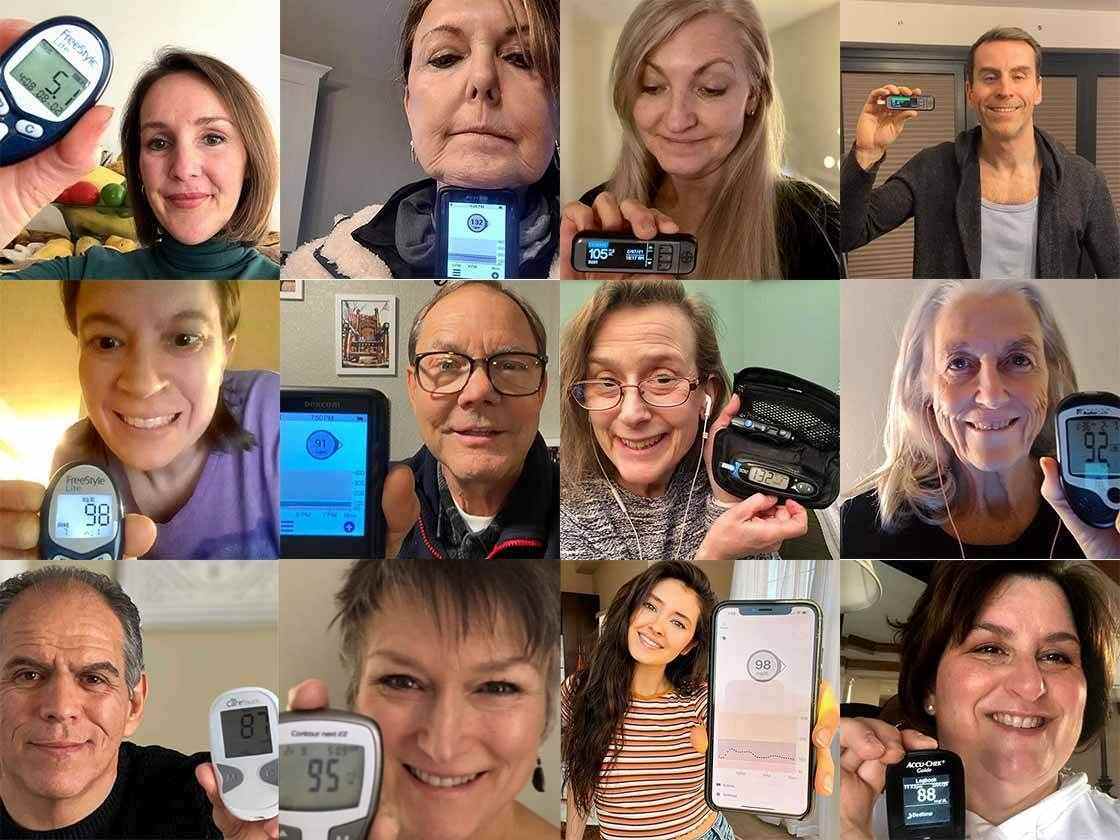
Your results are guaranteed. Join more than 10,000 ecstatic members today
Personalized coaching puts you in immediate control of your diabetes health, helps you gain energy, improves your quality of life, and reduces or eliminates your meds.