



If you’ve been told to “cut carbs” to control your blood sugar, here’s a surprise: the right kind of carbs can actually help improve insulin sensitivity.
In this guide, you’ll learn how to build a science-backed meal designed to support insulin sensitivity — a simple bowl made with five everyday foods and a dressing that helps keep your blood sugar stable naturally.
Every single ingredient here is backed by research showing improvements in insulin sensitivity, fasting glucose, or A1C.
Let’s build your plate and see how each food helps your body heal.
Step 1: The Green Base
Start with a big handful of arugula.
Arugula is packed with water, fiber, and natural nitrates that open up your blood vessels, improving blood flow and oxygen delivery to your cells. Better circulation means insulin can reach your cells faster and do its job more effectively.
Large studies show that people who eat more leafy greens have a lower risk of type 2 diabetes.
One meta-analysis found that just one serving of greens a day reduced diabetes risk by about 13%. Another study on cruciferous vegetables like arugula found they lowered fasting blood glucose levels.
Eating greens first in your meal helps because their fiber slows sugar absorption from the rest of the food. That gives insulin more time to move glucose into your cells, leading to smoother blood sugar curves and less stress on your pancreas.
Step 2: The Glucose Stabilizer
Next, add about one cup of chickpeas.
If you think beans spike your blood sugar, it’s not the beans — it’s insulin resistance revealing itself. The beans are showing you where your body needs healing.
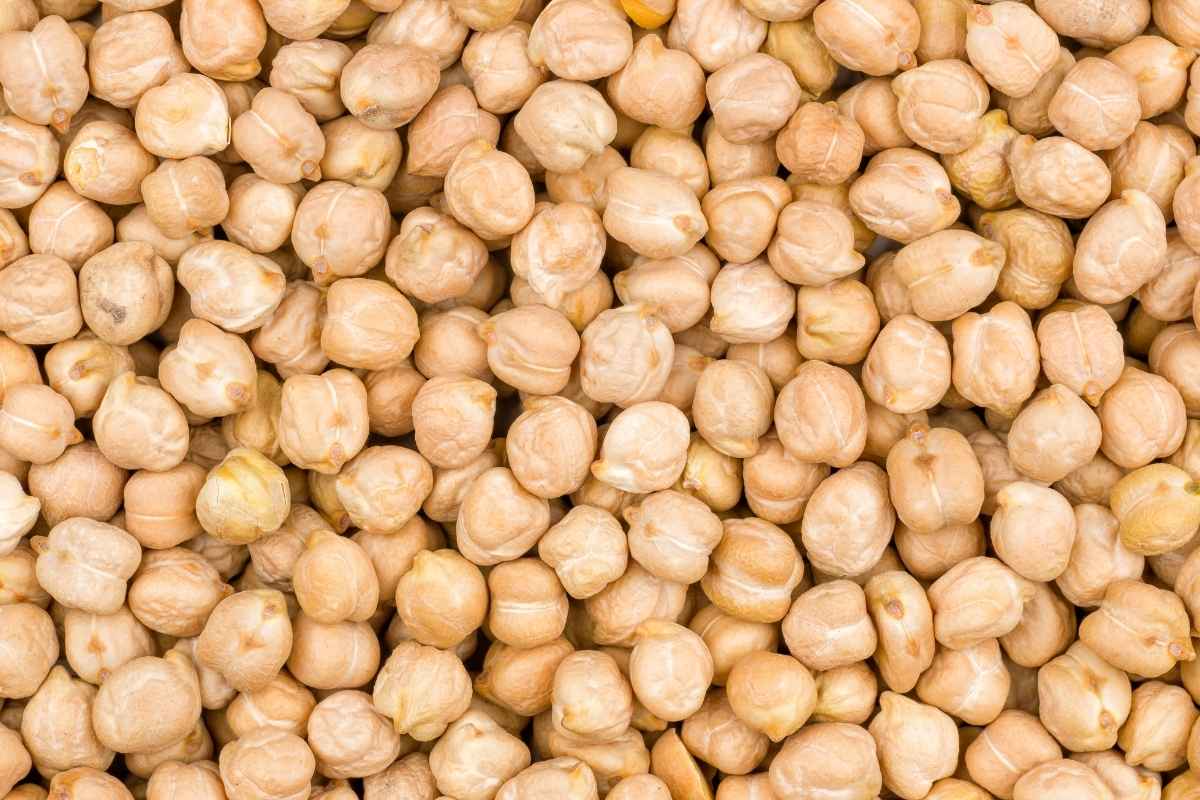
A meta-analysis of controlled trials found that chickpeas significantly reduced post-meal blood glucose.
Beans also create something called the second meal effect, lowering your glucose response not just for the meal you eat them in, but also for the next one.
Their secret weapon is soluble fiber and resistant starch, which feed gut bacteria that make short-chain fatty acids. Those acids help your muscles respond better to insulin.
So by eating chickpeas, you’re not just nourishing your body today — you’re training it to handle glucose better tomorrow.
Step 3: Whole-Food Carbohydrates
Now add sweet potatoes.
They might be sweet, but don’t let that fool you. If sweet potatoes spike your blood sugar right now, it’s not their fault — it’s insulin resistance at work. As you repair that, they’ll become a steady, healing energy source.
Sweet potatoes are high in fiber, potassium, and beta-carotene, an antioxidant that protects your cells from damage.
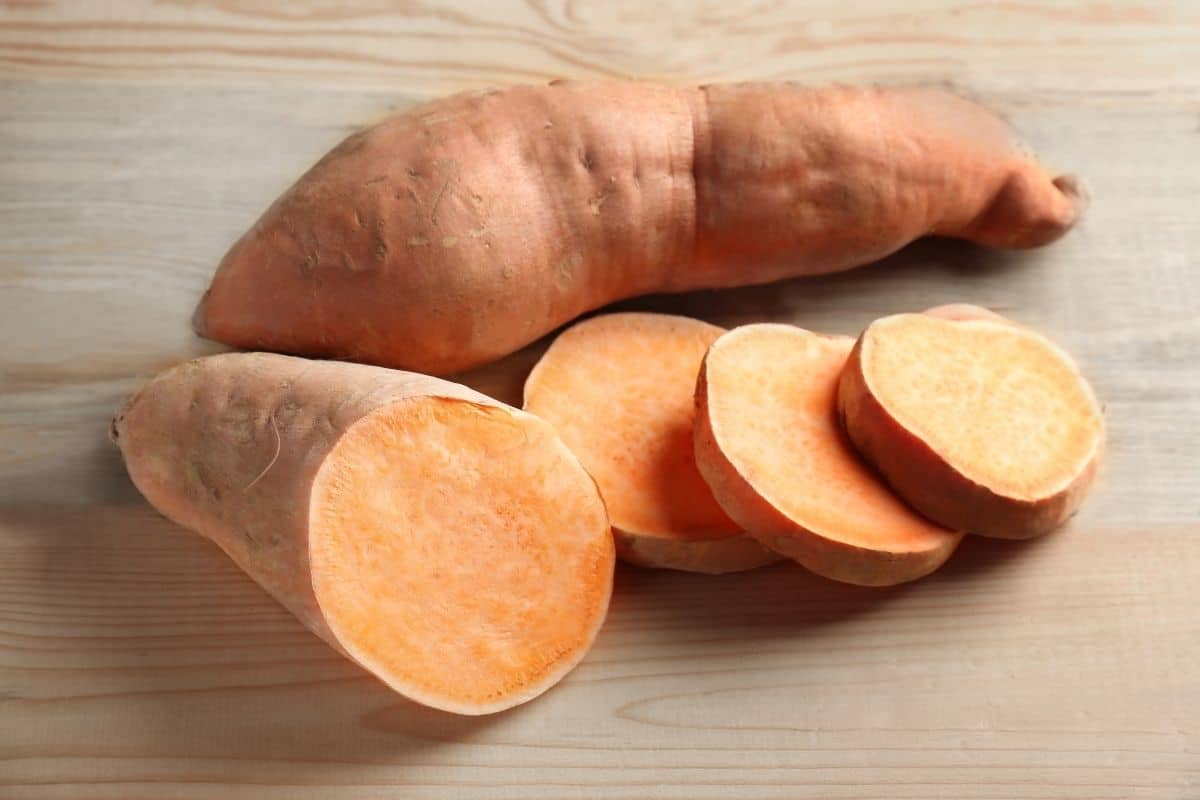
A pilot study showed that after six weeks of daily sweet potato intake, participants had lower fasting glucose, improved insulin sensitivity, and better cholesterol — all without losing weight.
Cook and cool your sweet potatoes before eating them for an extra benefit. Cooling forms resistant starch, which behaves like fiber and further boosts insulin sensitivity.
Think of it as biohacking with leftovers.
Step 4: The Liver Superhero
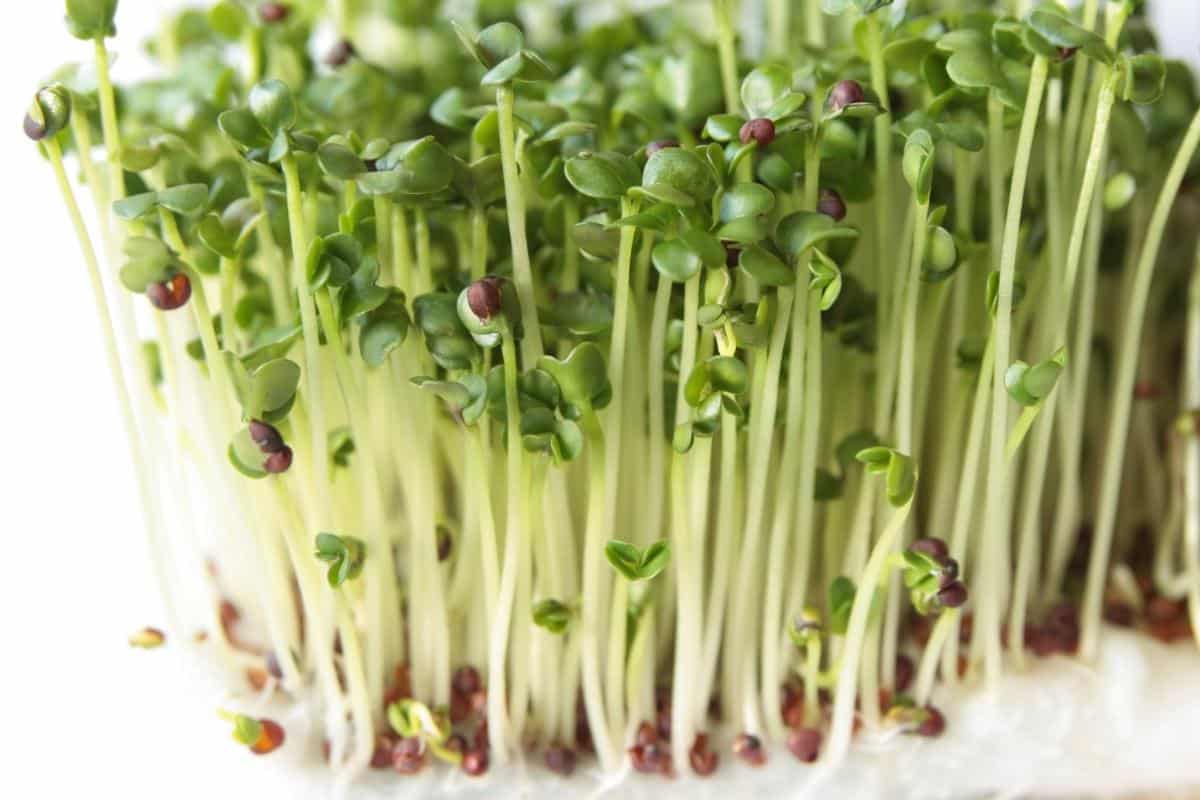
Add a scoop of broccoli sprouts.
Broccoli sprouts are tiny but powerful. They contain sulforaphane, a compound that helps your liver and muscles respond better to insulin. In fact, sprouts have 10–100 times more sulforaphane than mature broccoli.
A 4-week study found that people with type 2 diabetes who consumed broccoli sprout powder had lower fasting insulin and reduced insulin resistance (measured by HOMA-IR).
Another study found that sulforaphane helps the liver produce less glucose and burn more fat, improving fasting blood sugar.
You can find broccoli sprouts in most grocery stores, or you can sprout your own at home in just a few days.
Step 5: The Insulin Support Mineral
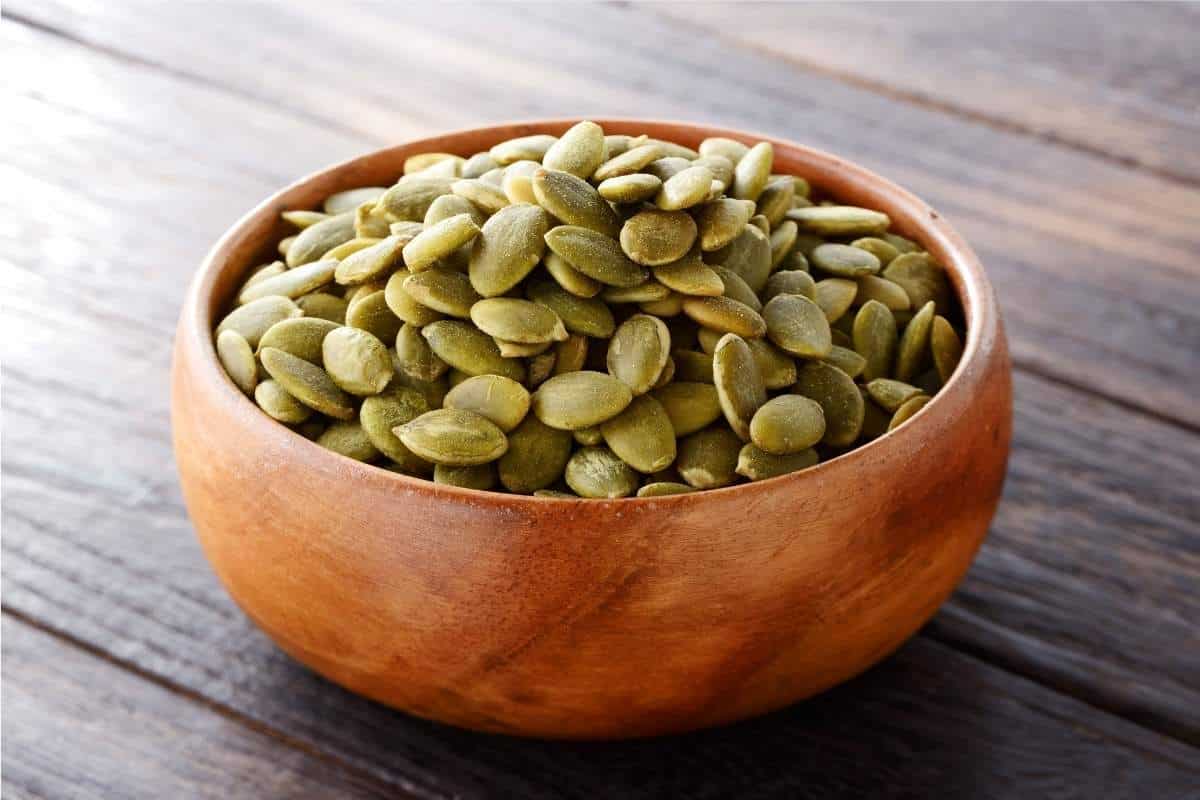
Top your bowl with a tablespoon of pumpkin seeds.
Pumpkin seeds add crunch, flavor, and minerals your cells crave — especially magnesium and zinc. Low magnesium is common in people with type 2 diabetes, and restoring it can improve fasting glucose and insulin sensitivity. Zinc also helps insulin attach to its receptors and signal properly. A placebo-controlled trial even found that adding pumpkin seeds to a meal reduced post-meal blood sugar.
If you’re just starting out, you don’t have to use the full tablespoon right now — you can cut the amount in half or skip it to keep the fat content lower. As you become more insulin sensitive, you can gradually add a bit more. And if you’re in the coaching program, check in with your coach for personalized guidance.
Step 6: The Blood-Sugar-Balancing Dressing
Here’s how to make a dressing that doesn’t just taste great — it can help lower blood sugar too!
Ingredients:
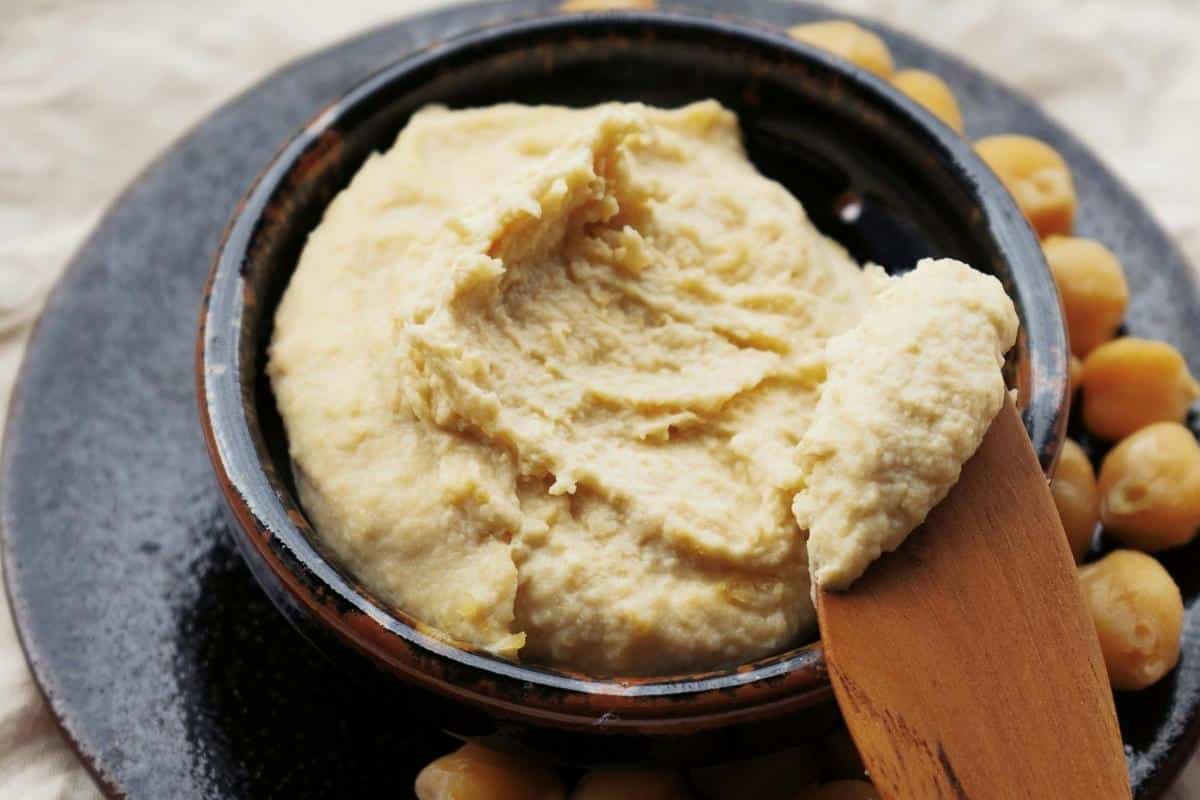
Blend or whisk until smooth.
Hummus adds fiber and protein that slow digestion. Apple cider vinegar can reduce fasting glucose by about 20 mg/dL and lower A1C modestly in clinical studies. Lemon juice adds vitamin C and antioxidants. Garlic improves insulin sensitivity.
This dressing truly is food as medicine.
Step 7: Assemble Your Insulin-Sensitizing Bowl
Now for the fun part: putting it all together.
- Start with a bed of arugula.
- Add roasted sweet potatoes.
- Scoop on chickpeas.
- Top with broccoli sprouts.
- Sprinkle pumpkin seeds (optional)
- Drizzle the dressing on top.
You’ve just built a meal designed to improve insulin sensitivity and stabilize blood sugar naturally.
Here’s what happens inside your body when you eat it:
Try this bowl for lunch three days in a row. Check your glucose before eating, one hour after, and two hours after. You’ll likely see smaller spikes, faster recovery, and steadier energy.
That’s what healing insulin resistance feels like.
Lower Your A1c and Fasting Blood Sugar... Guaranteed
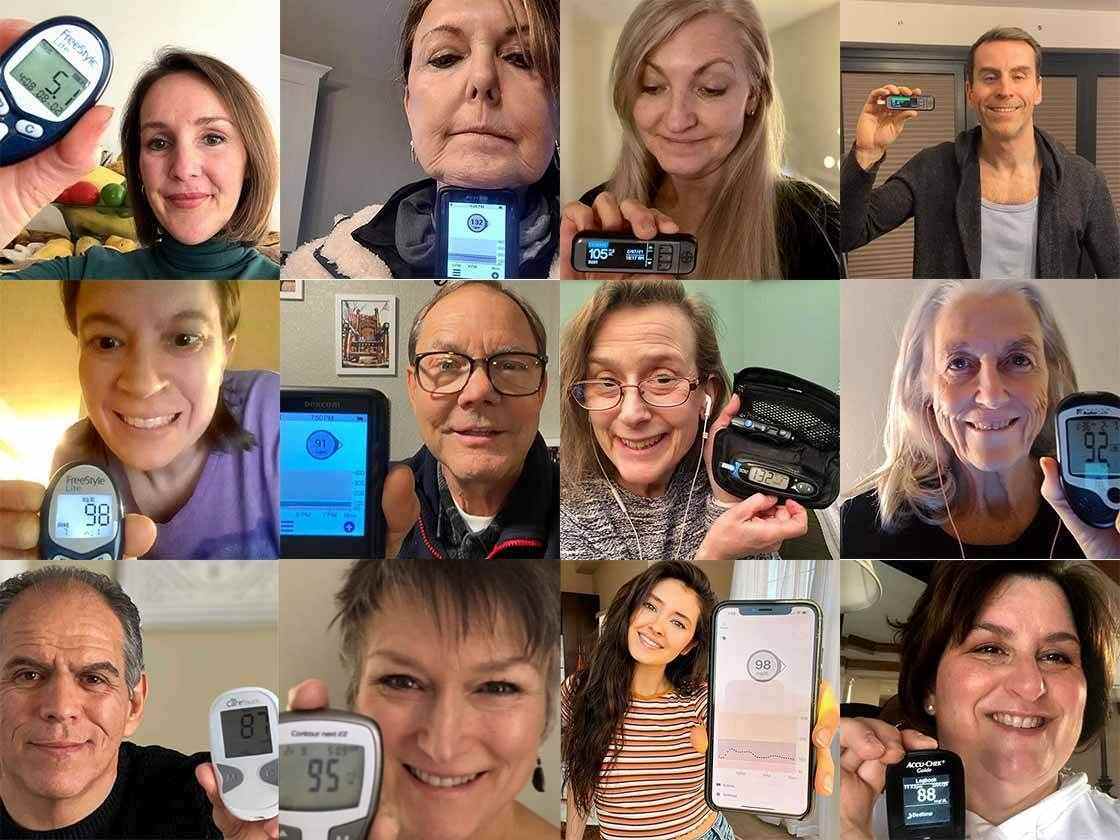
Your results are guaranteed. Join more than 10,000 ecstatic members today
Personalized coaching puts you in immediate control of your diabetes health, helps you gain energy, improves your quality of life, and reduces or eliminates your meds.