



Bread, rice, potatoes, fruit, beans. These are the exact foods people with diabetes are told to fear. You’ve probably heard it:
But here’s the truth most people never hear:
Carbohydrates are not the root cause of blood sugar spikes. Insulin resistance develops first, and only then does the body become intolerant to carbohydrates.
That distinction changes everything, because once you understand why your blood sugar rises after eating carbs, you realize you don’t need to avoid them.
You need to remove the metabolic roadblocks that stop your body from handling them.
In this article, you’ll learn the exact strategies we use inside Mastering Diabetes to help people become carbohydrate-tolerant again, not by hiding carbs, but by fixing the root cause.
Yes, this is how people return to eating rice, potatoes, fruit, and beans — and watch their blood sugar improve.
Why Carbohydrates Aren’t the Problem
When you eat carbohydrates, glucose enters your bloodstream. That part is normal, the problem happens after that.
Glucose needs insulin to move into your muscle cells, where it is used for energy. But in insulin resistance, those muscle cells are already clogged with fat.
Researchers have shown that when too much fat accumulates inside muscle cells (a condition called intramyocellular lipid) insulin signaling becomes disrupted. Harmful fat intermediates interfere with the molecular pathways that normally allow insulin to move glucose into the cell.
Over time, this slows glucose uptake and directly contributes to insulin resistance and type 2 diabetes.
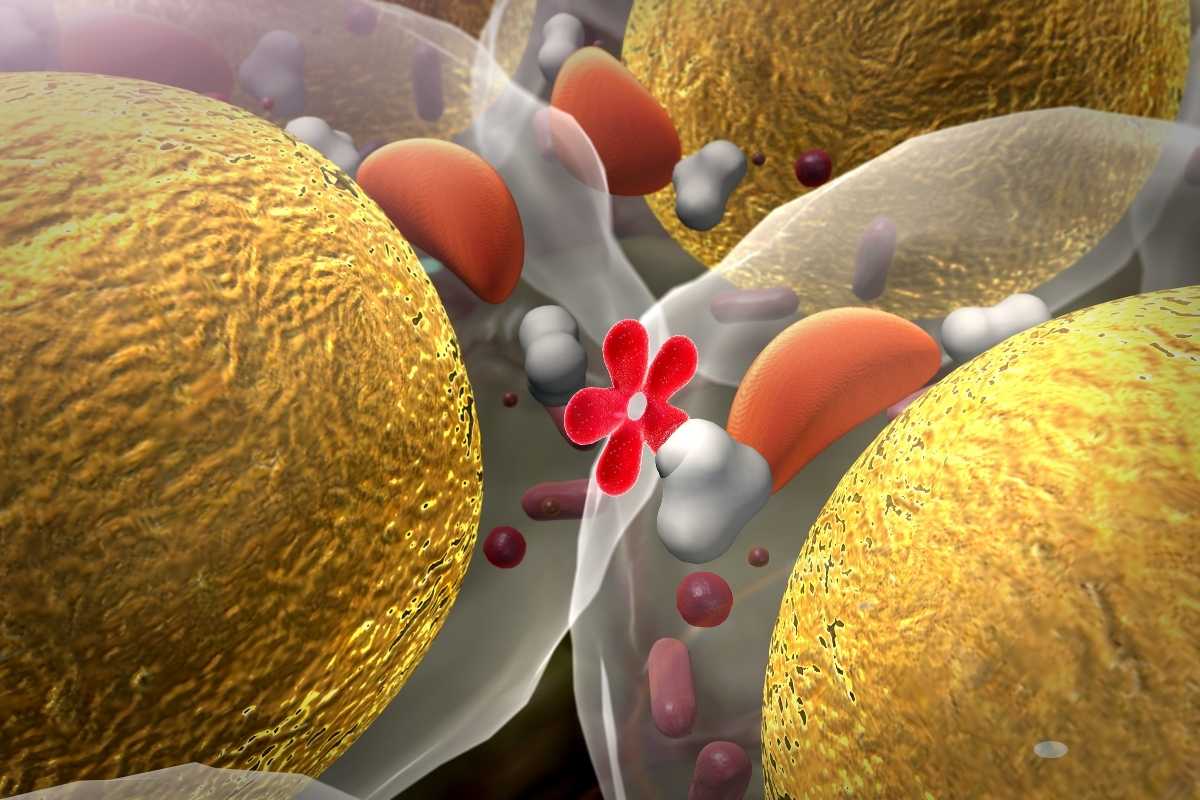
A simple analogy helps:
- Insulin is the key.
- Your muscle cell is the lock.
- The key still works — but the lock is jammed with grease.
Glucose remains in your bloodstream not because carbohydrates are harmful, but because fat is blocking the door. Every strategy you’re about to learn works because it helps:
Now let’s get practical.
Strategy #1: Build Meals Around Fiber (The Glucose Brake)
Fiber is one of the most powerful tools for stabilizing blood sugar.
Viscous soluble fiber (found in beans, lentils, oats, barley, chia, flax, apples and citrus) absorbs water and forms a gel in the gut. This slows digestion and delays how quickly carbohydrates are absorbed.
Clinical trials show that higher fiber intake lowers post-meal glucose, fasting glucose, and A1c.
Fiber also feeds gut bacteria, which produce short-chain fatty acids. These compounds improve insulin sensitivity in both muscle and liver tissue.
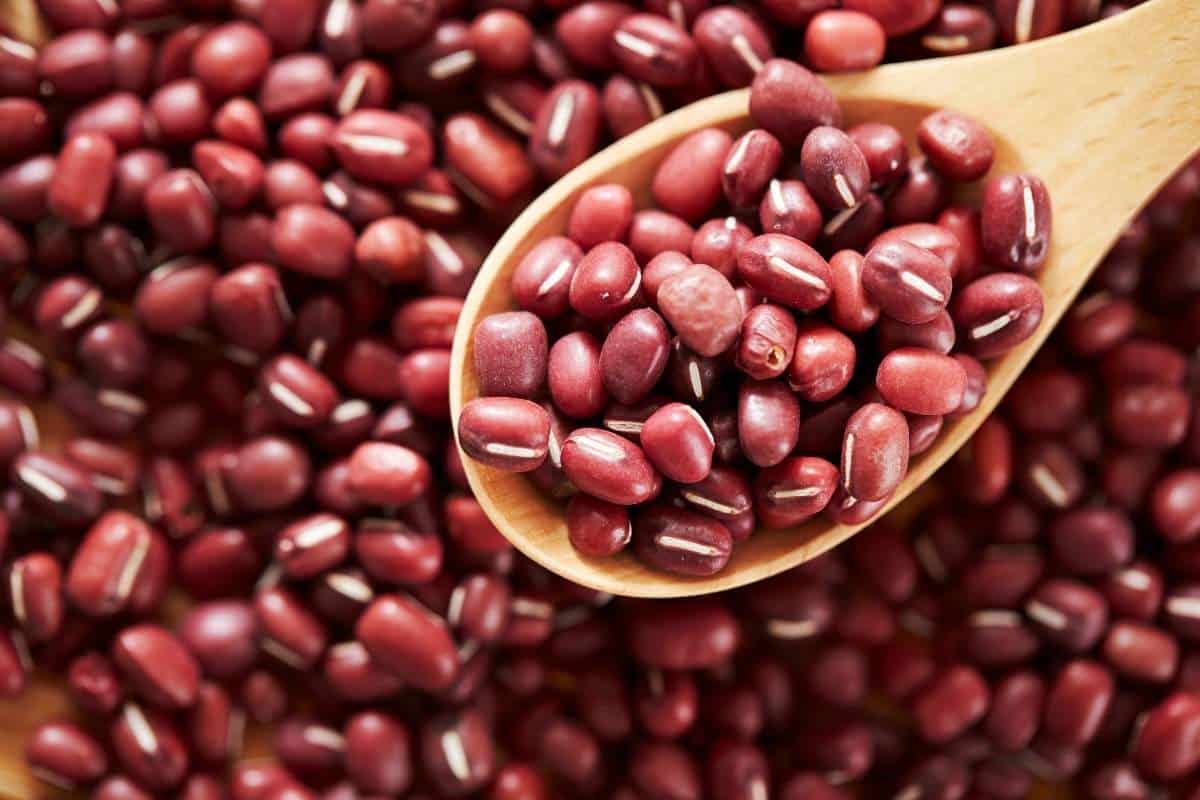
Large population studies further show that people with the highest fiber intake have substantially lower risk of developing type 2 diabetes. This is why:
They are still carbohydrates, but they arrive with fiber that changes how glucose enters the body.
Strategy #2: Don’t Add Fat to “Blunt” the Spike
A common recommendation is to add fat to carbohydrates to slow the spike. Fat does slow digestion, but it also worsens the underlying problem.
Fat increases fat storage inside muscle and liver cells, which is exactly what causes insulin resistance in the first place. So your numbers may look temporarily better while your insulin sensitivity continues to decline.
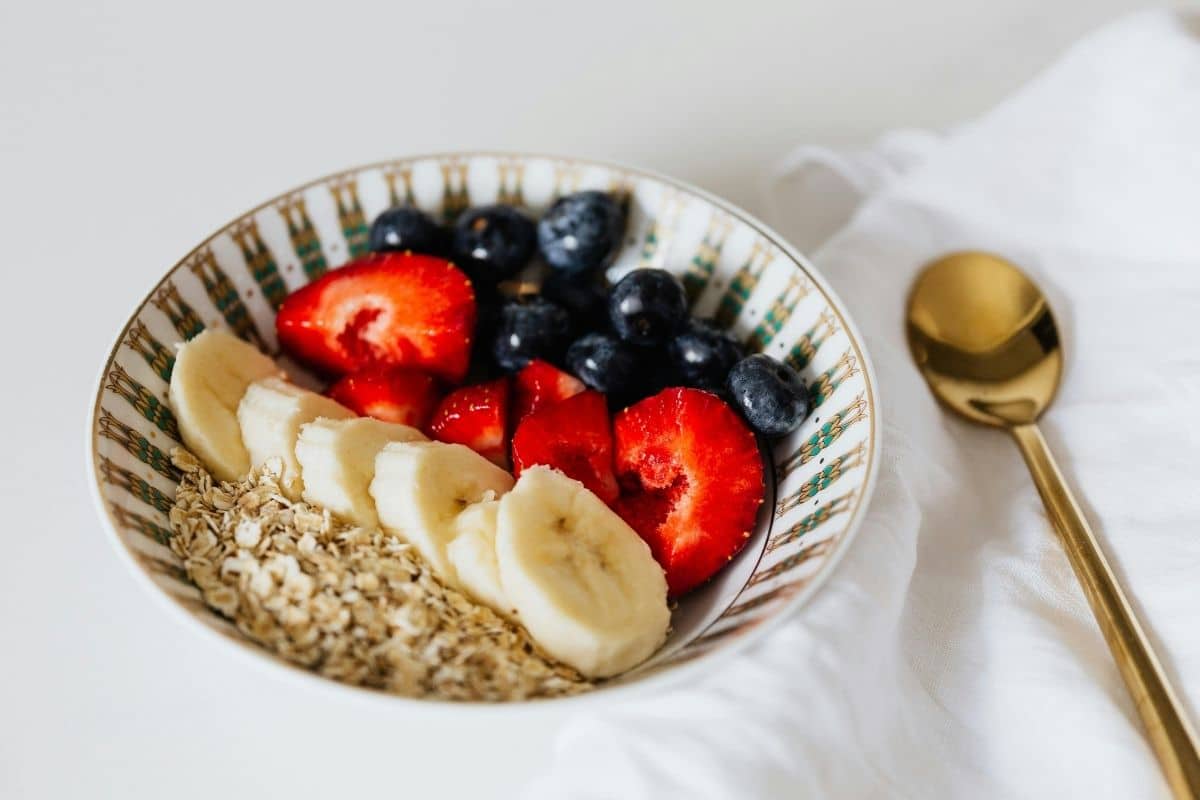
Instead of pairing carbohydrates with fat, the Mastering Diabetes Method pairs carbohydrates with:
Think:
Fiber slows absorption without adding to the fat clog inside your cells.
If carbohydrates spike you right now, it does not mean carbohydrates are harmful. It means your body is temporarily carbohydrate-intolerant — a state that is reversible.
Strategy #3: Build the Meal, Not the Spike
Blood sugar is not determined by a single food, it is determined by the structure of the entire meal. Meals that are:
Produce very different glucose responses than meals built from intact plant foods.
Decades of research show that meals built around fiber-rich, whole plant foods slow glucose appearance, lower post-meal peaks, and improve insulin sensitivity.

The consistently effective structure looks like this:
Instead of asking, “How do I eat this carb without spiking?” The better question is: How do I build this meal so insulin works better?
Strategy #4: Walk After Meals (The Muscle Glucose Vacuum)
A short walk after meals is one of the fastest ways to lower post-meal glucose.
When your muscles contract, they activate GLUT-4 transporters that pull glucose into muscle cells without relying on insulin.

Think of it as opening a second door into the cell. Even 10–15 minutes of light walking after meals:
Repeated daily, this directly improves insulin sensitivity.
Strategy #5: Carbohydrate Quality Matters (Intact vs. Processed)
Not all carbohydrates behave the same — because processing changes their physical structure.
When grains are milled into flour or heavily processed, digestive enzymes can access starch more easily. Glucose is released rapidly.
When carbohydrates remain intact, digestion takes longer and glucose enters the bloodstream more slowly.
A controlled trial in people with type 2 diabetes demonstrated that less-processed grain structure significantly reduced post-meal glucose and daily glycemic variability, even when nutrient content was matched.
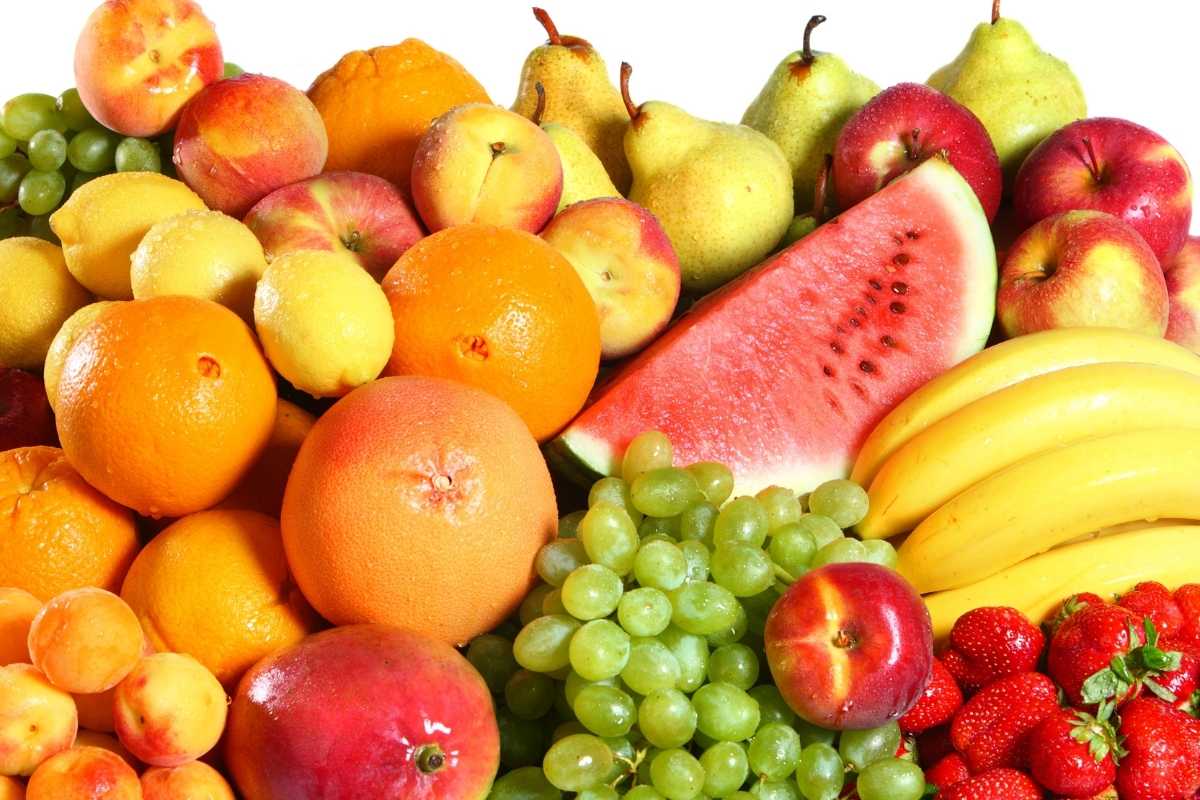
This is why the Mastering Diabetes Method prioritizes:
The goal is not to restrict carbohydrates — it is to eat them in the form your metabolism can actually handle.
Strategy #6: Timing Matters (Especially at Night)
Insulin sensitivity follows a circadian rhythm.
You are generally more insulin sensitive earlier in the day and less insulin sensitive at night, especially in the liver.
Late meals can:
Finishing dinner at least three hours before bedtime allows the liver to:
This is not about cutting calories or avoiding carbohydrates. It is about protecting liver metabolism during the time when it is naturally most vulnerable.
The Big Picture
None of these strategies work because they hide carbohydrates. They work because they fix the root problem. Each strategy helps to:
As insulin resistance improves, something important happens: Blood sugar spikes flatten naturally. Carbohydrates stop feeling dangerous.
If carbohydrates were the cause of diabetes, cultures built on rice, potatoes, beans and fruit would have developed diabetes first. They did not.
The real issue is not carbohydrates on your plate. It is fat inside your cells. And once that fat is cleared (and insulin begins working again) carbohydrates return to what they were always meant to be: Fuel.
Want Help Putting This Into Meals?
If you want the meal plans built on this exact science — low-fat, high-fiber meals designed to restore insulin sensitivity — book a free discovery call with one of our advisors today and learn how the Mastering Diabetes Coaching Program can help you reclaim your health.
Lower Your A1c and Fasting Blood Sugar... Guaranteed

Your results are guaranteed. Join more than 10,000 ecstatic members today
Personalized coaching puts you in immediate control of your diabetes health, helps you gain energy, improves your quality of life, and reduces or eliminates your meds.