



Many people try fasting because they want lower blood sugar, more energy, and better health. And fasting can absolutely help. But there is one hidden mistake that keeps blood sugar high, even when someone fasts perfectly. It has nothing to do with how long you fast. It has everything to do with what you eat when the fast ends.

So let’s break this down in a simple, clear way, so you can fast the right way and finally see better blood sugar results.
Fasting Is Not About Starving, It Is About Switching Fuel Sources
Think of your body like a hybrid car. When you eat, your body uses glucose from food. It is quick, easy fuel. When you stop eating, insulin drops, and your body switches into fat-burning mode. Now you run on stored energy from your liver and muscles.
That switch is the whole point of fasting. It gives your body a break from constant insulin spikes and lets it use the energy you already have.
But this switch is very delicate. And one simple mistake can undo the entire benefit.
The Biggest Mistake: Overeating When You Break Your Fast
Many people treat the first meal after a fast like a reward. They skip breakfast, fast all day, and then eat a huge meal at night. The problem is that overeating, especially foods high in fat or heavily processed, slams the door on your progress.
Inside your body, this extra food floods your blood with more glucose and fat than your cells can handle. Insulin shoots up. Fat builds up inside muscle and liver cells. Blood sugar climbs again.
You undo the very thing fasting was supposed to help.

What Science Says About This Mistake
This problem shows up again and again in research. In one of the biggest fasting studies ever published in JAMA Internal Medicine in 2017, researchers compared alternate-day fasting to daily calorie restriction.
Here is what happened:
- One group ate a little less each day.
- The other group fasted every other day and ate only 25 percent of their calories on fasting days.
- But on their feast days, the fasters were told to eat 125 percent of their usual calories to make up for the lost food.
In simple words, they were told to overeat.
After one full year, the fasting group and the daily dieting group ended up with the same results. No extra weight loss. No better blood sugar. No better heart health.
Why? Because the overeating completely erased the benefits of fasting.

What Happens Inside Your Cells When You Overeat
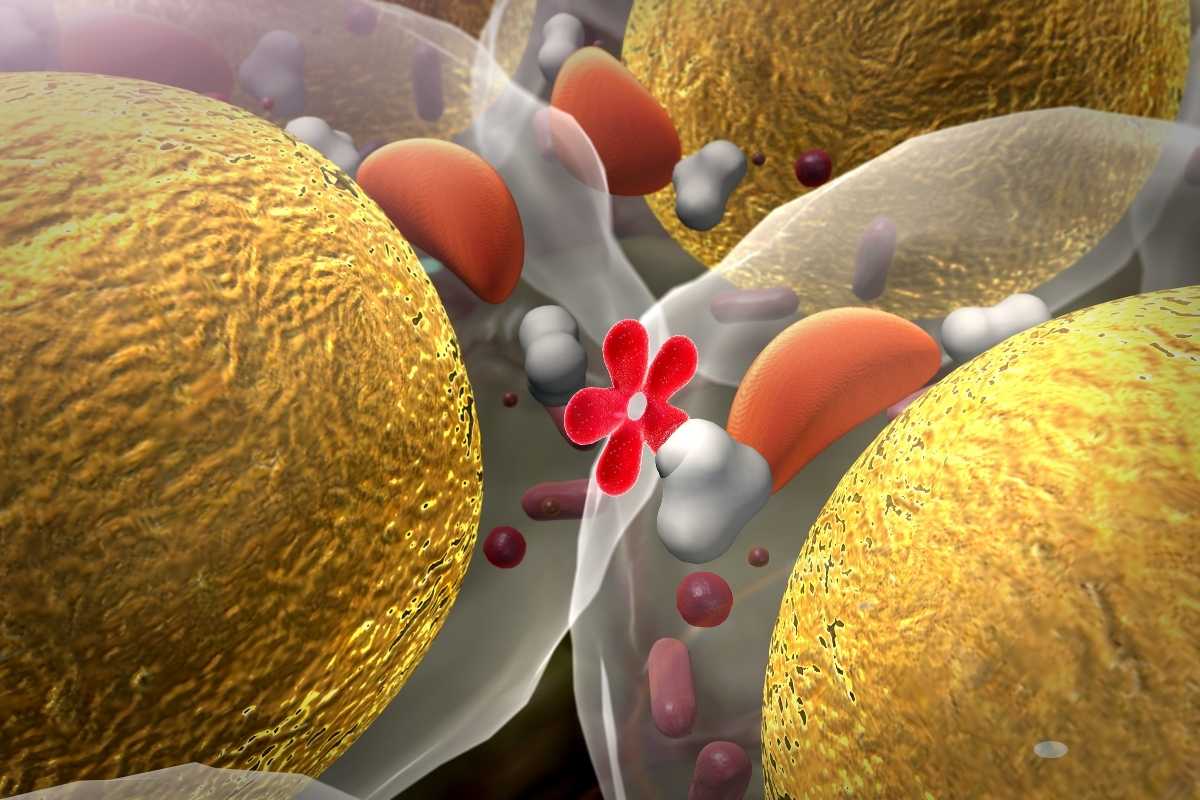
Insulin is like a key that helps glucose enter your muscle cells. But when you overload on calories, especially saturated fat, fat droplets build up inside your cells. These droplets jam the insulin lock, the same way gum stuck in a keyhole stops the key from turning.
This is called lipotoxicity. It is the real cause of insulin resistance.
Even if you fast for sixteen hours, one large high-fat meal can make blood sugar soar again.
A Better Way To Break Your Fast
The goal of fasting is not to eat less. The goal is to eat smarter.
When you end your fast, choose a normal-sized meal that is high in fiber and low in fat. Think:
These foods give your body steady energy without forcing insulin to spike. They fill your stomach, help your muscles take in glucose, and keep your blood sugar stable.

Why Timing Alone Is Not Enough
Another major study published in JAMA Internal Medicine in 2020 showed what happens when people focus only on timing and ignore food quality.
Researchers compared 16:8 fasting to eating three structured meals per day. People in the fasting group could eat anything they wanted during their eight-hour window. That included processed food and added oils.
The result:
Why? Because fasting only works when you combine two things:
Fasting is a helpful tool, but only when nutrition supports it.
Think of Fasting as a Metabolic Reboot
During a fast, your body clears waste, burns fat, and restores insulin sensitivity. But the moment you flood your system with excess calories or fat, the reboot shuts down.
Next time you fast, shift your mindset. Do not think, “I earned this.” Think, “I am protecting the progress I just made.”
The biggest fasting mistake is not which meal you skip. It is what you eat when the fast ends.
Overeating, especially high-fat or processed foods, keeps insulin high and blood sugar unstable. Fasting only helps when paired with the right nutrition.

The Mastering Diabetes Method gives you the formula:
This combination helps your body burn fat, restore insulin sensitivity, and keep blood sugar steady all day.
Use fasting as a tool to help your body heal, not a reason to overeat later.
Lower Your A1c and Fasting Blood Sugar... Guaranteed
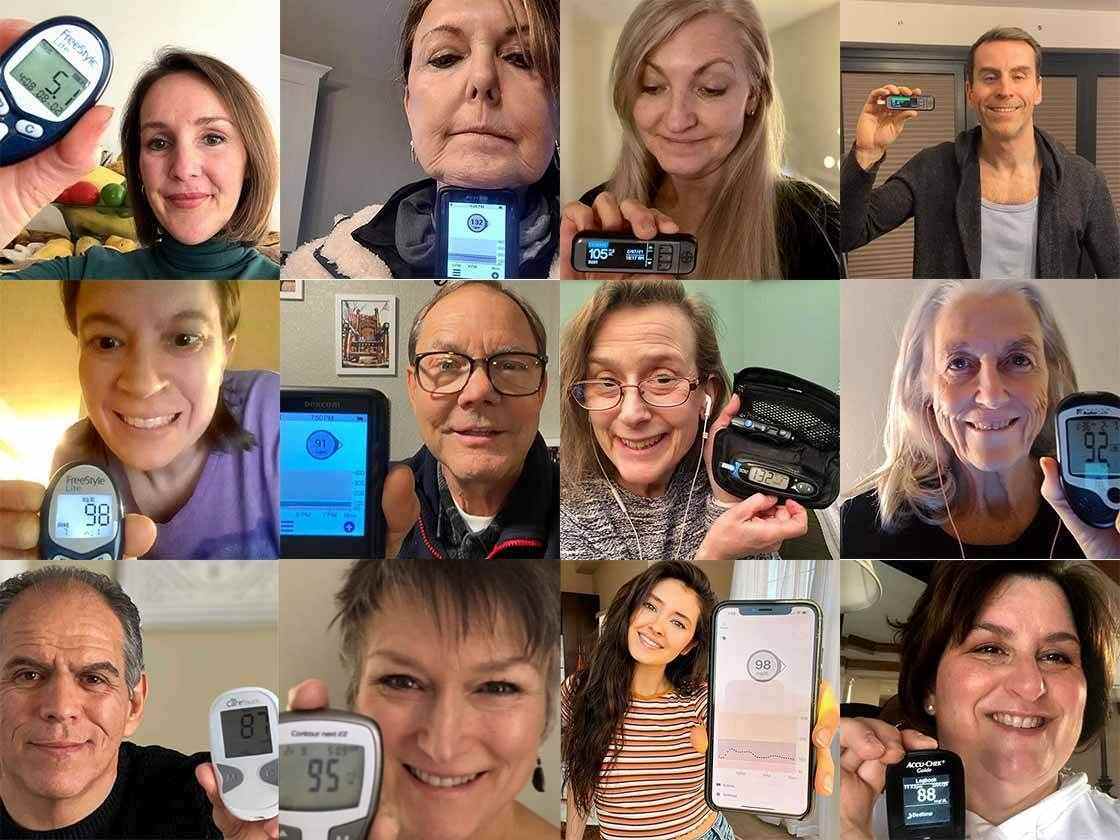
Your results are guaranteed. Join more than 10,000 ecstatic members today
Personalized coaching puts you in immediate control of your diabetes health, helps you gain energy, improves your quality of life, and reduces or eliminates your meds.