
The Mistake That’s Becoming More Common
Ann’s story is yet another in our growing list of people who were misdiagnosed with type 2 diabetes. Many doctors are not trained to look for this scenario, but research shows that 5-12% of people diagnosed with type 2 diabetes actually have what is called type 1.5 diabetes or Latent Autoimmune Diabetes in Adults (LADA).
Now that we know what to look for, Ann was a classic case of this misdiagnosis. She was diagnosed with type 2 diabetes in August 2017. She was a motivated and disciplined person and she committed to a healthy diet and exercise routine. However, despite sticking to a clean low-carb diet and regular exercise, her blood sugar remained difficult to manage and her A1c hovered in the high 7s and low 8s.
Thankfully, Ann’s doctor noticed that her diabetes numbers weren’t reflecting the improved insulin sensitivity that her body should have been experiencing from her lifestyle. They ordered a few tests (c-peptide and antibodies tests), and her results showed that her pancreas wasn’t producing sufficient insulin. Her insulin production wasn’t as low as someone with type 1, but it wasn’t high enough to meet her body’s needs, no matter how few carbohydrates she consumed. This meant that Ann didn’t have type 2 diabetes, but rather type 1.5.
New Diagnosis, New Goals
Armed with a correct diagnosis, Ann was able to shift her mindset to work within the new context of her health. She now knew that she would not be able to reverse the disease or live without taking insulin, but she could still use lifestyle habits to have the best insulin sensitivity and prevent co-occurring issues from developing.
Mastering Type 1.5 Diabetes
About a year later, Ann was introduced to plant-based eating by her daughter-in-law, through Dr. Neal Barnard’s book on diabetes. Later, she found the Mastering Diabetes Method. The specific guidelines and coaching support that the Mastering Diabetes program offered felt like a really good fit for Ann, and she decided to give it a try.
Even though she’d already been warmed up to the idea of a plant-based diet, it was still a big shift to change her diet. She’d been eating low-carb and barely eating any fruit. Ann decided to start slowly and work her way up to the full Mastering Diabetes approach.
For the first 1.5-2 weeks, she ate a plant-based breakfast and minimized her fat intake. She had been previously eating a lot of fat each day, so this step alone was a big adjustment. From there, she eventually transitioned both lunch and dinner to a low-fat, plant-based, whole food meal as well.

Ann says her coach was pivotal in that process. She felt understood and supported in the ways she needed to be successful. Her coach was also able to help her transition off of her insulin pump, which was very freeing for Ann and ultimately allowed her to have even better control.
Your “Why” Is Key
The hardest things for her to let go of eating regularly were nut butters and chocolate – but there was not a question in her mind about whether she was willing to do it. Ann feels strongly that knowing why this lifestyle is important to her is what helps her most with staying on track. Her “why” is that she wants to be healthy for her family, and this motivation is so strong that she is committed to the lifestyle choices that make that possible.

She says that even though parts of the Mastering Diabetes Method required her to sacrifice things she enjoyed, there wasn’t ever a decision to be made. She knew she would do it in order to stay healthy for her family. The only mental decisions were figuring out the logistics of how to do it.
Rewarded Efforts
And now, she’s reaping those benefits. She’s living that healthy lifestyle, and she’s fully present with her family. She can easily keep up with her 2-year old grandson. She no longer gets the post-lunch snoozy feeling, and instead feels energized all day. She walks, bikes, or swims most days. Her blood glucose is predictable and well-managed, and she gets compliments on how good she looks for her age.

Ann’s A1c, cholesterol, and weight are all in the healthy range. She feels great and is deeply grateful to have found this approach.
Header | March 2020 | June 2020 |
|---|---|---|
Fasting Blood Glucose (mg/dL) | 150+ | 121 |
A1c (%) | 6.3 | 5.3 |
Total Cholesterol | 170 | 154 |
Carbs per day (g) | 25-50 | 500-600 |
Fat per day (g) | 150+ | 20-30 |
What Does It Look Like?
Today, Ann has fully embraced the high-carbohydrate aspect of this method – she eats 500-600g carbohydrates each day.
For breakfast, she usually eats oatmeal or buckwheat with raisins or dates, cinnamon, cloves, cardamom, and pumpkin mixed in. For lunch, she will often eat a casserole of some sort or a big salad topped with quinoa and beans.
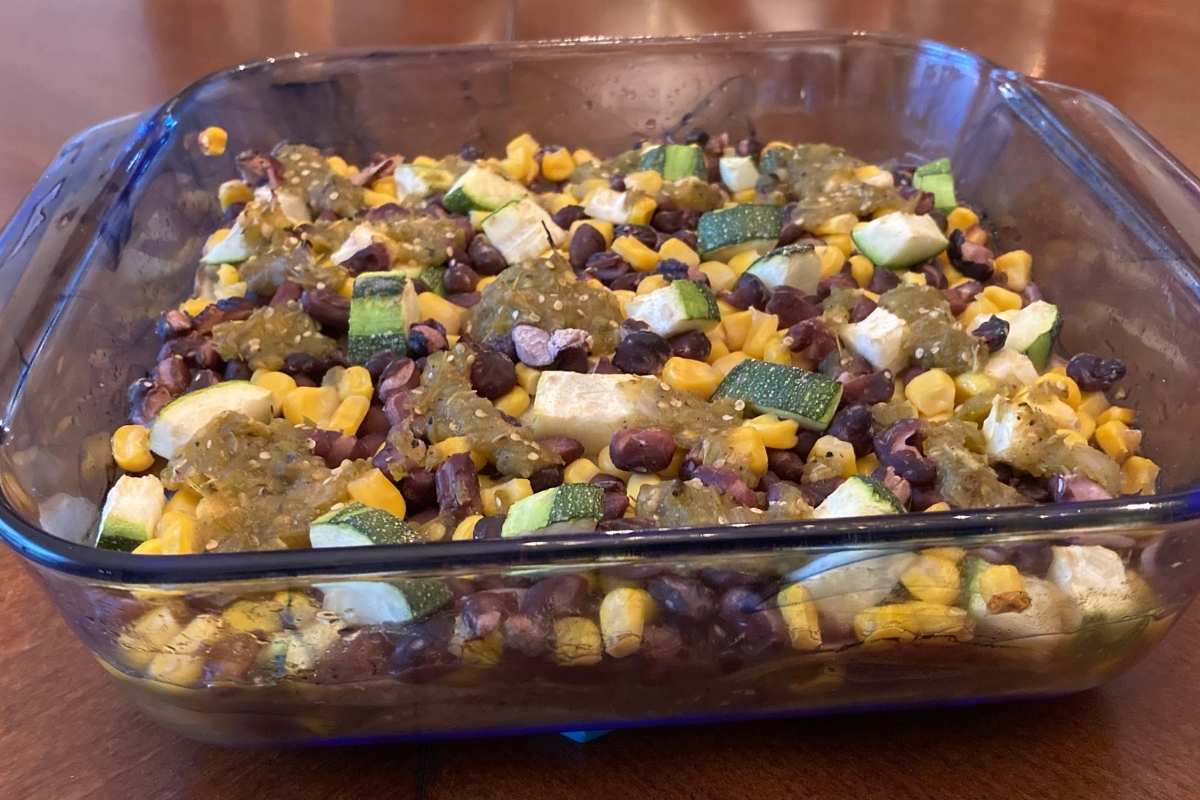
For dinner, she loves to have soup. Other dinner favorites are a curried lentil dish or Mexican-style meals.
In between meals she snacks on fruit, and for dessert she loves making a banana ice-cream (especially with mamey sapote fruit mixed in).
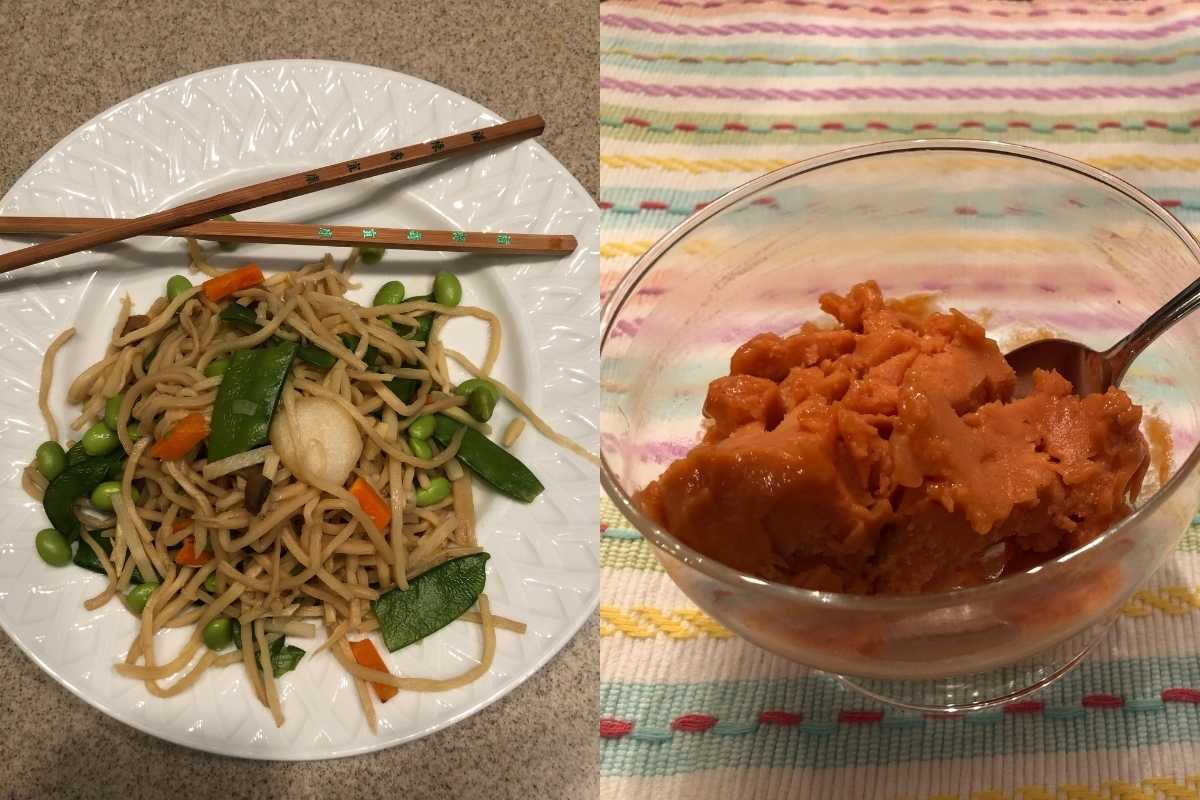
Ann will often batch-cook meals, especially because she doesn’t mind eating the same things for a few days. She will make a big batch of oatmeal, bake casseroles that can be easily reheated, and make big pots of soup so that she can do the bulk of the cooking in one go. This makes meals feel quick and simple to pull together throughout the week.
Do You Think You Might Have Type 1.5?
If Ann’s story is resonating with you and you’re curious whether you have type 1.5 diabetes/LADA, you can check out this article that explains it in more detail. You can also read the stories of a few of the other people we’ve helped with this condition, such as:
Lower Your A1c and Fasting Blood Sugar... Guaranteed
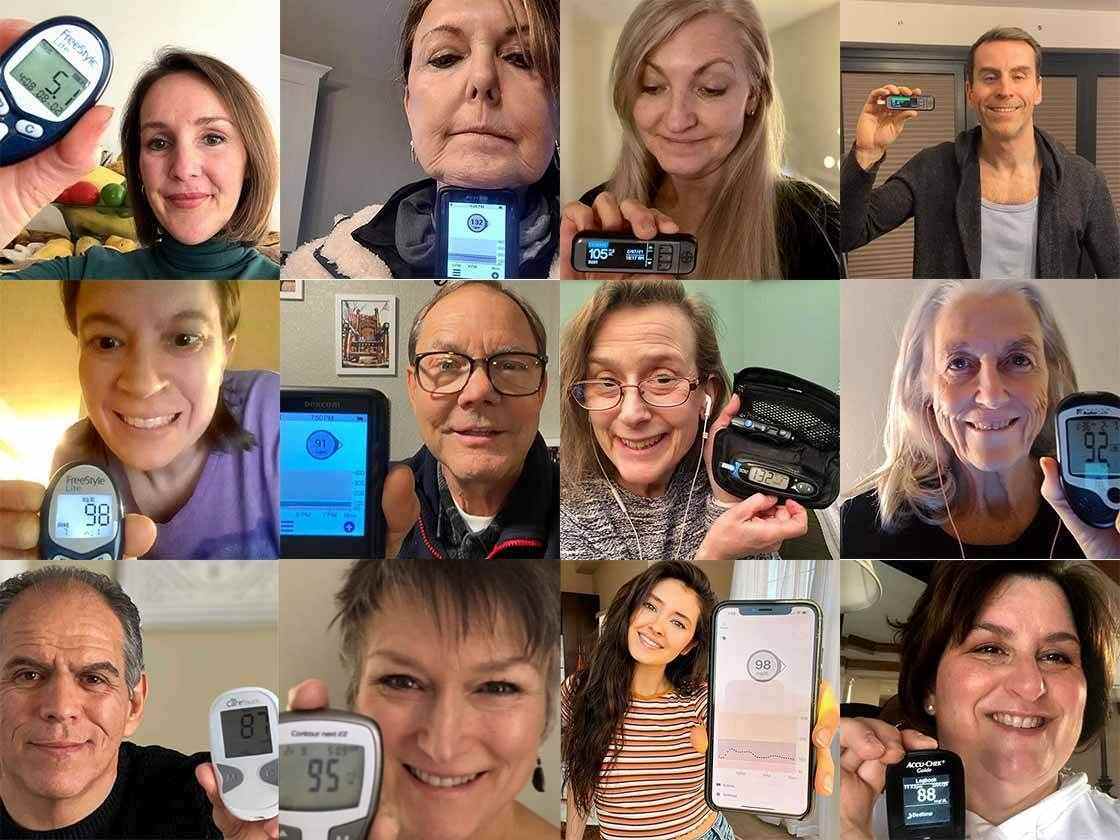
Your results are guaranteed. Join more than 10,000 ecstatic members today
Personalized coaching puts you in immediate control of your diabetes health, helps you gain energy, improves your quality of life, and reduces or eliminates your meds.