



What if one simple bowl of soup could help your cells respond to insulin better, lower your fasting blood sugar, and stabilize glucose levels throughout the day?
Not because it’s low-carb. Not because it restricts calories. But because it targets the root cause of high blood sugar: insulin resistance.
This soup isn’t just comfort food. It’s a carefully structured combination of whole plant foods that work together to:
Every ingredient plays a specific role. And every component is supported by research showing improvements in glucose control, insulin signaling, and metabolic health.
Let’s break down exactly how it works — starting with the foundation.
Why Improving Insulin Sensitivity Is the Real Goal
Blood sugar stays stable when insulin can move glucose efficiently from your bloodstream into your cells.
Think of insulin as a key and your cells as locks.
When the lock works properly, glucose flows easily into the cell and blood sugar remains stable. But when excess fat accumulates inside muscle and liver cells, insulin signaling becomes impaired. The key is present — but the lock doesn’t turn smoothly.
This is insulin resistance, and the fastest way to improve insulin sensitivity is by consistently eating meals that are:
This soup does exactly that.
Step 1: Broccoli — The Cruciferous Foundation That Targets Liver Glucose
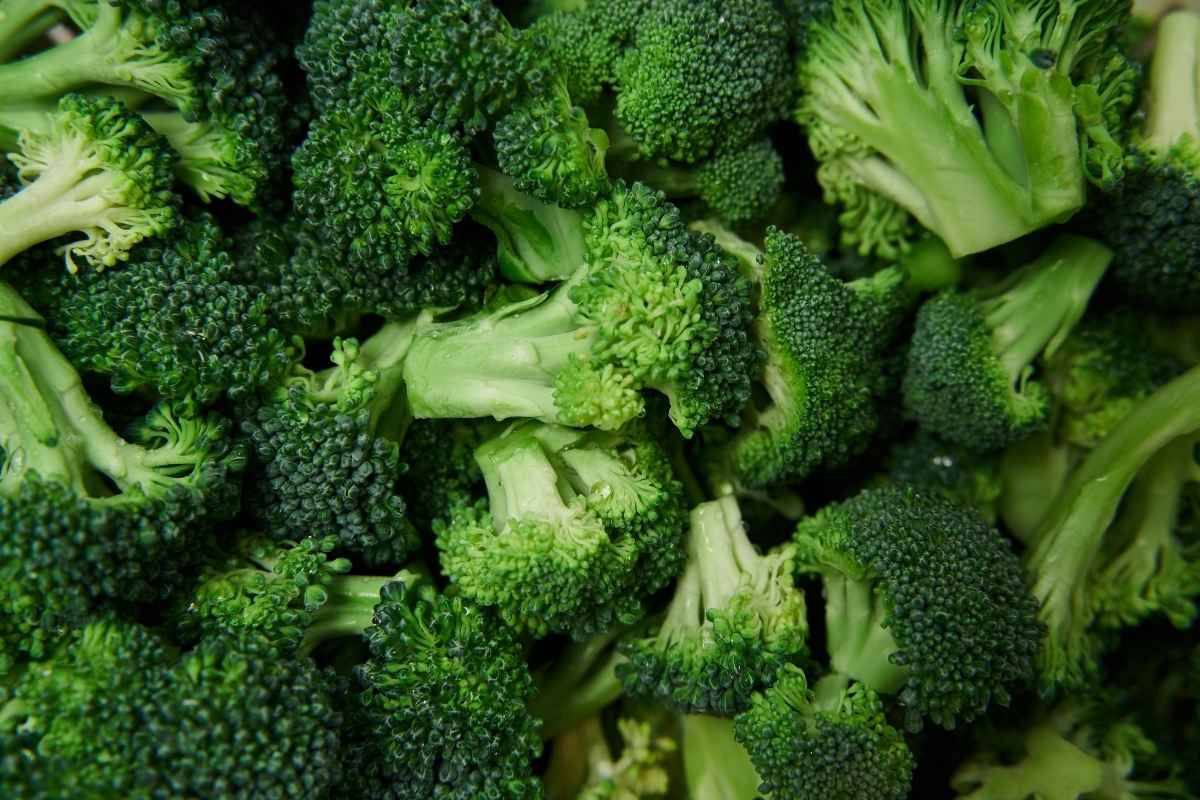
The foundation of this soup is broccoli. Not because it’s low in calories, but because it contains sulforaphane, one of the most studied compounds in nutrition science for improving metabolic health.
Sulforaphane activates a cellular pathway called Nrf2, which regulates antioxidant defenses and improves insulin signaling. Research shows sulforaphane helps reduce oxidative stress and improve glucose metabolism at the cellular level.
This matters because oxidative stress interferes with insulin signaling.
When oxidative stress drops, insulin receptors function more efficiently — allowing glucose to move into cells more easily.
Sulforaphane also directly affects the liver. The liver plays a central role in fasting blood sugar by producing glucose overnight through a process called gluconeogenesis.
Sulforaphane has been shown to suppress genes involved in this process, reducing excessive liver glucose production. This leads to:
This is especially helpful for people experiencing the dawn phenomenon or elevated morning glucose.
Broccoli isn’t just adding volume to this soup. It’s directly improving cellular insulin signaling and helping regulate liver glucose output.
Step 2: Garlic, Onions, and Celery — Fiber and Bioactive Compounds That Improve Glucose Control
Next comes the aromatic base: garlic, onions, and celery. These ingredients do more than enhance flavor. They help improve how your body processes glucose.
Garlic contains bioactive compounds that directly improve insulin sensitivity.
In a randomized human clinical trial, garlic supplementation significantly lowered fasting blood glucose and improved glucose tolerance. This shows garlic improves how your body responds to insulin — helping glucose enter cells more efficiently.

Onions contain quercetin and related flavonoids that reduce oxidative stress and improve metabolic signaling. Research shows onion consumption improves metabolic markers associated with insulin action and glucose regulation.
These compounds improve insulin signaling pathways and reduce cellular stress that contributes to insulin resistance.

Fiber from these vegetables also slows glucose absorption. Instead of rapid spikes, glucose enters the bloodstream gradually — allowing insulin to work efficiently and reducing strain on the pancreas.
Large human studies consistently show higher fiber intake improves insulin sensitivity and reduces diabetes risk.
This combination creates smoother, more stable glucose curves after meals.
Step 3: Potatoes — Whole-Food Carbohydrates That Restore Insulin Sensitivity
Potatoes are often misunderstood.
If potatoes spike your blood sugar today, it doesn’t mean potatoes are harmful. It means insulin resistance is already present.
When eaten in a low-fat, high-fiber environment like this soup, potatoes behave very differently. Potatoes provide:
Resistant starch bypasses digestion in the small intestine and feeds beneficial gut bacteria.
These bacteria produce short-chain fatty acids: compounds that improve insulin sensitivity and glucose metabolism.
Short-chain fatty acids enhance muscle glucose uptake and reduce inflammation that interferes with insulin signaling. Over time, this helps clear excess fat from muscle cells and restore insulin sensitivity.
Muscle tissue becomes more responsive to insulin, allowing glucose to enter efficiently instead of accumulating in the bloodstream.

Potatoes are not the problem. They become part of the solution when paired with fiber-rich, low-fat foods.
Step 4: Red Bell Peppers and Spices — Anti-Inflammatory Support for Insulin Signaling
Red bell peppers provide carotenoids — powerful antioxidants that reduce oxidative stress.
Higher carotenoid intake has been associated with improved insulin sensitivity and better glucose regulation. Oxidative stress disrupts insulin signaling.
Reducing oxidative stress restores the cellular environment insulin depends on.

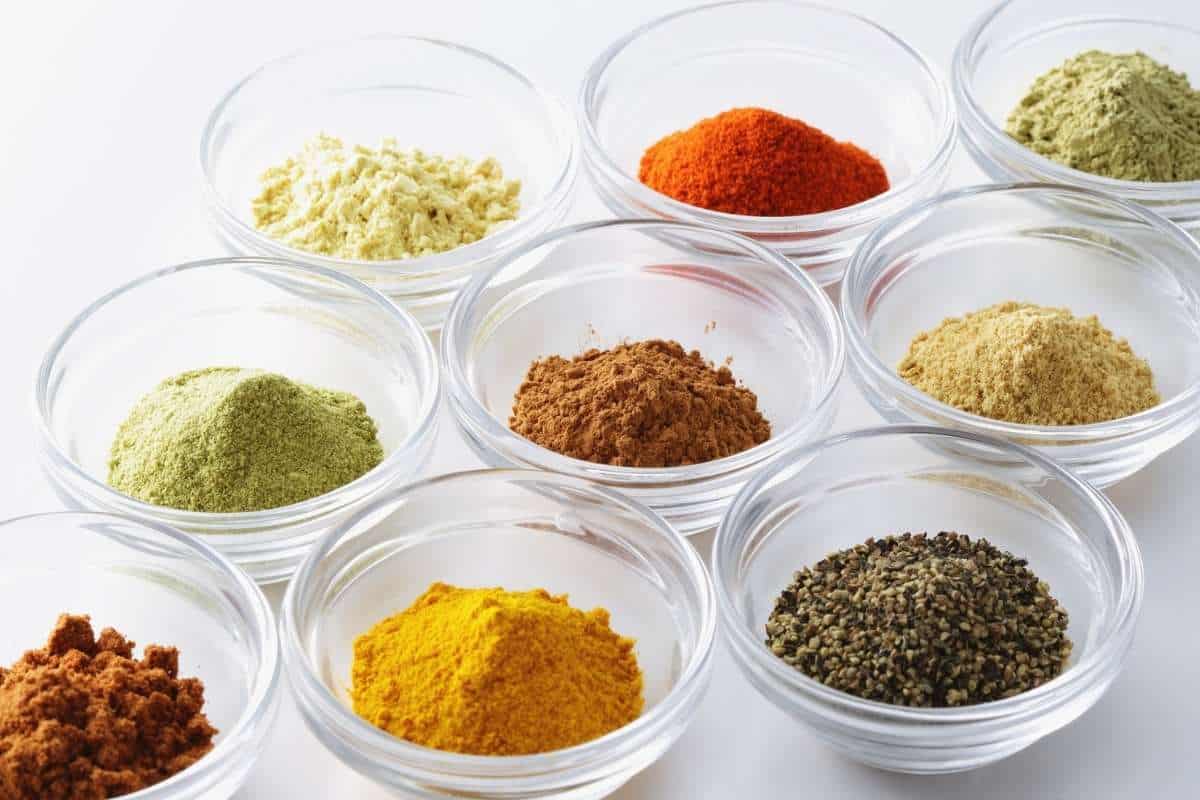
Spices like cayenne pepper contain capsaicin, which improves glucose metabolism and enhances insulin sensitivity.
Capsaicin increases glucose uptake in muscle cells and improves cellular energy metabolism. These compounds improve glucose clearance and support metabolic health at the cellular level.
Step 5: Creaminess Without Fat — Supporting Insulin Function Instead of Blocking It
Traditional creamy soups rely on butter, cream, or oil. But even small amounts of saturated fat can temporarily impair insulin signaling.
This soup achieves creaminess using unsweetened almond milk and nutritional yeast instead. This keeps fat intake low while providing:
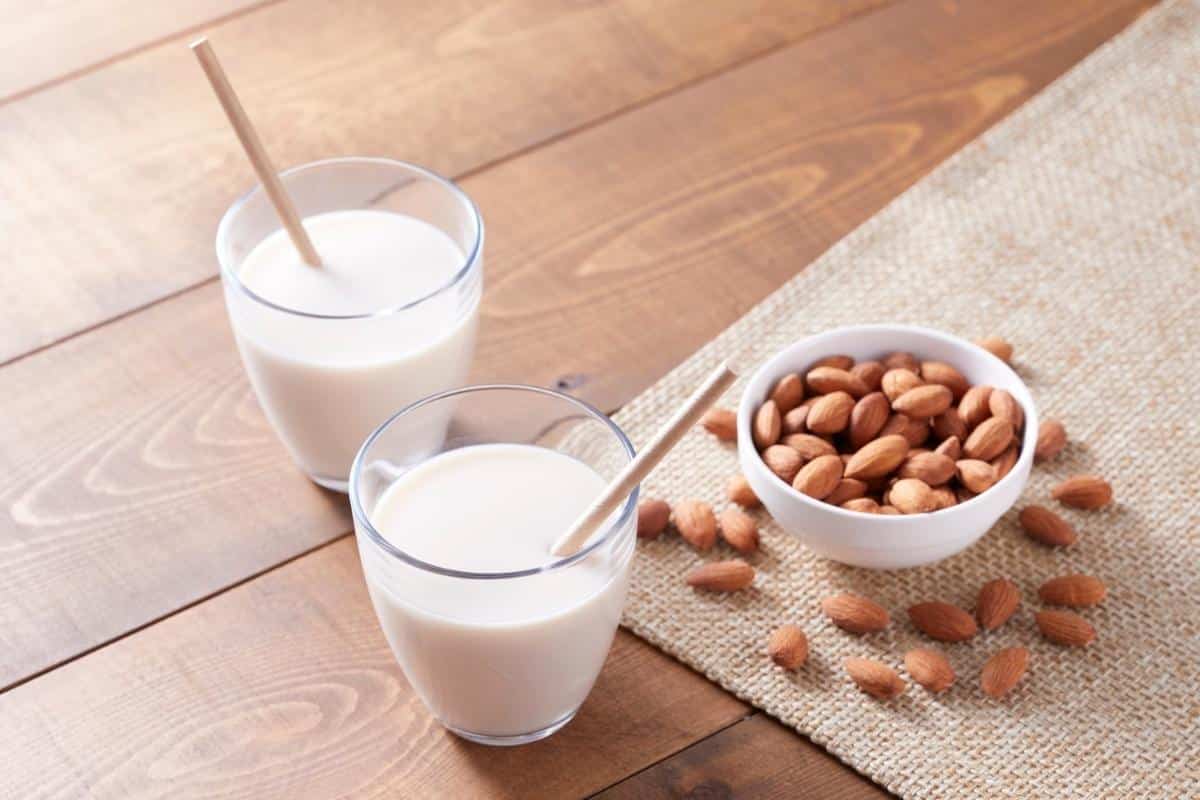
Low-fat meals allow insulin to function efficiently, helping glucose enter muscle and liver cells properly. This supports long-term improvements in insulin sensitivity.
Why Soup Has a Unique Metabolic Advantage
Soup provides benefits beyond its ingredients. Because soup is hydrating, fiber-rich, and low in fat, it slows gastric emptying.
This means food leaves your stomach more gradually. As a result:
This leads to:
This is especially helpful for improving fasting glucose and reducing the dawn phenomenon.

What Happens Inside Your Body When You Eat This Soup
Every ingredient works together to improve insulin sensitivity:
The low-fat structure allows insulin to work properly.
This combination improves insulin signaling — the root mechanism behind blood sugar control.
This is food working at the cellular level. Not by restricting carbohydrates, but by restoring your body’s ability to use them.
What to Expect When You Try It
Eat this soup for lunch or dinner three days in a row. Monitor your glucose:
Most people notice:
These changes reflect improving insulin sensitivity. Over time, this allows your body to handle carbohydrates more efficiently.
Blood sugar stabilizes. Energy improves. Metabolic flexibility returns.
The Bigger Picture: Food as Cellular Repair
This soup works because it targets the root cause of insulin resistance.
It improves insulin signaling. It reduces liver glucose production. It restores muscle glucose uptake.
This is not about managing symptoms, it’s about improving physiology.
Meals structured this way help clear fat from inside muscle and liver cells — allowing insulin to work again. And when insulin works, blood sugar follows.
Want Help Applying This Framework?
If you want to learn exactly how to structure meals to restore insulin sensitivity and stabilize blood sugar, book a free discovery call with one of our advisors today and learn how the Mastering Diabetes Coaching Program can help you reclaim your health.
Lower Your A1c and Fasting Blood Sugar... Guaranteed

Your results are guaranteed. Join more than 10,000 ecstatic members today
Personalized coaching puts you in immediate control of your diabetes health, helps you gain energy, improves your quality of life, and reduces or eliminates your meds.