



If you’re in your 40s or 50s, especially in perimenopause or menopause, and you keep waking up thinking: "Why is my fasting blood sugar high when I barely ate last night?" You’re not alone, and more importantly, you’re not broken.
For many women, stubborn high morning numbers have very little to do with willpower, discipline, or “eating too much.” They have everything to do with what’s happening inside your liver overnight, and how shifting hormones change that process.
In this article, you’ll learn:
What’s Really Happening Overnight
Most people assume high fasting blood sugar is caused by what they ate right before bed. That’s part of the story, but not the main one.
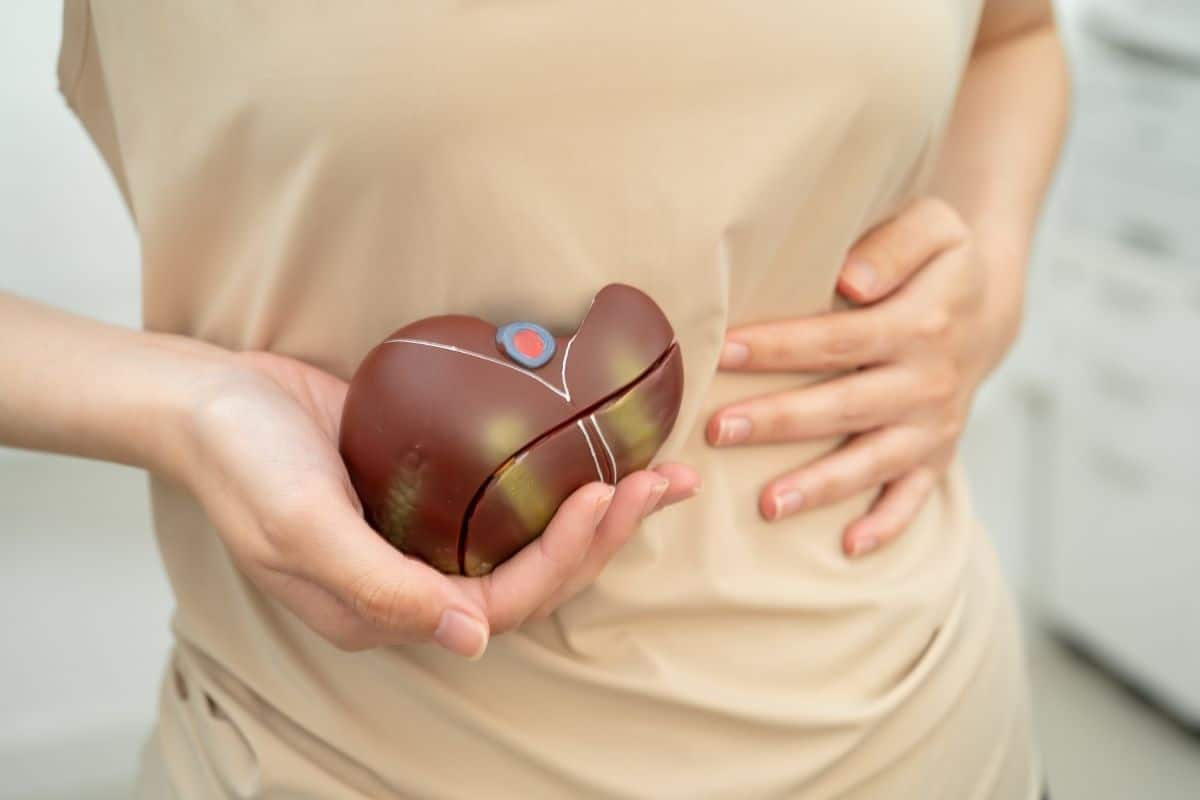
All night long, your body still needs fuel: Your brain, heart, and muscles require a steady supply of glucose while you sleep. So your liver acts like a slow, controlled glucose IV, releasing small amounts of sugar into the bloodstream.
In a healthy, insulin-sensitive liver:
But when fat accumulates inside the liver, insulin’s message doesn’t get through, the liver keeps releasing glucose even when it shouldn’t, that’s what pushes fasting blood sugar into the 110s, 120s, 130s, or higher. This process has been demonstrated clearly in controlled feeding trials.
In an overfeeding study, participants ate the same number of calories, the only difference was the type of fat. The saturated-fat group:
Independent of weight gain. This is critical — especially in midlife.
Why Perimenopause Makes Morning Blood Sugar Harder to Control
For many women, blood sugar control becomes more difficult right around perimenopause. That’s not your imagination. As estrogen levels fluctuate and decline, several things happen that directly affect fasting glucose:

1. Fat Distribution Shifts
Fat storage moves from hips and thighs toward the abdomen and organs. This increases visceral fat, the type most strongly linked to insulin resistance.
Visceral fat releases free fatty acids directly into the portal vein, which drains straight into the liver, worsening liver fat accumulation.
2. Insulin Sensitivity Declines
Estrogen normally helps support insulin signaling in muscle and liver cells. As levels change, insulin becomes less effective at shutting down overnight glucose release.
3. Sleep Becomes More Fragile
Night sweats, early awakenings, and lighter sleep are common. Poor sleep raises cortisol, and cortisol tells the liver to release more glucose, not less.
Put simply:
All converge to raise fasting blood sugar. But this does not mean you’re doomed, it means you need a strategy that works with your body now — not the one that worked at 25.
Method #1: Lower Liver Fat (Without Starving or Going Keto)
If fasting blood sugar is largely a liver problem, the solution is to de-fat the liver.
Not by cutting carbohydrates or adding fats like butter, MCT oil, or coconut oil, but by dramatically reducing saturated fat so the liver can regain insulin sensitivity and shut down excess glucose production overnight.

The science here is clear. When saturated fat intake is high, liver fat rises rapidly, even without weight gain. When saturated fat is lowered, liver fat begins to fall, often within weeks.
What to minimize
What to replace it with
This approach clears fat from the liver, improves insulin sensitivity, and lowers overnight glucose output without restriction, hunger, or calorie counting.
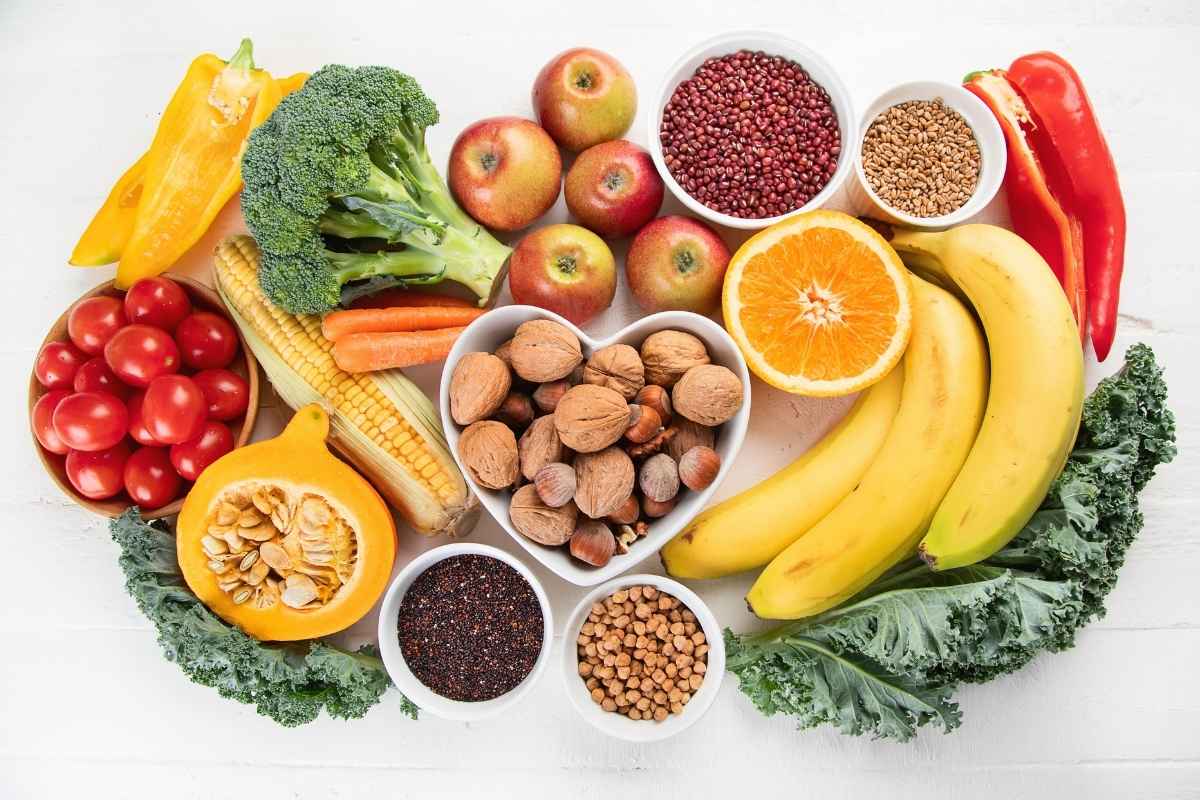
Big portions. High fiber. Very low saturated fat. That’s the metabolic sweet spot for perimenopause.
Method #2: Fix the Timing (A Perimenopause-Friendly Approach)
The next lever is when you eat. During perimenopause, aggressive fasting often backfires:
Instead, the goal is gentle time-restricted eating. Think:
Clinical trials of earlier eating windows show improvements in insulin sensitivity, fasting glucose, and blood pressure. This works because it:
Perimenopause-friendly tweaks
Think of this as giving your liver an earlier “shift end” — so it can clean up instead of working overtime.
Method #3: Move in a Way Your Hormones Support
Movement is one of the most powerful tools for lowering fasting glucose — when done correctly.
Perimenopause often comes with joint stiffness, fatigue, heavier or irregular periods. So the answer is not punishing HIIT. The most effective approach is Zone 2 movement. This includes:
Where you can breathe through your nose and you can speak in full sentences.

Studies in people with fatty liver disease show that moderate aerobic exercise significantly reduces liver fat and improves insulin sensitivity — even when weight doesn’t change.
How to apply it
Muscle is your ally in perimenopause:
Even a 10–15 minute walk after dinner can blunt post-meal glucose and improve overnight liver behavior.
What to Do the Morning You See a High Number
Step 1: Don’t Panic
Skipping food out of fear often raises cortisol — and worsens glucose control.
Step 2: Hydrate First
Night sweats increase fluid loss. Dehydration concentrates glucose. Start with:
- 12–16 oz water
- Optional lemon
Step 3: Light + Gentle Movement
Natural light plus 10 minutes of easy movement tells your body: “We’re safe. Use this glucose.”
Step 4: Eat a Low-Fat, High-Fiber Breakfast
For many women, this improves glucose later in the day. Think:
Avoid:
The Hormone–Sleep–Glucose Triangle
One poor night of sleep can make you 30–40% more insulin resistant the next day. Focus on:

As sleep improves, cortisol drops — and fasting glucose follows.
Your Practical Roadmap
If you’re over 40 and struggling with fasting blood sugar:
This isn’t about fighting your body. It’s about working with it — at this stage of life.

Want Help Putting This Into Meals?
If you want recipes built exactly around this strategy — low saturated fat, high fiber, hormone-friendly — book a free discovery call with one of our advisors today and learn how the Mastering Diabetes Coaching Program can help you reclaim your health.
Lower Your A1c and Fasting Blood Sugar... Guaranteed
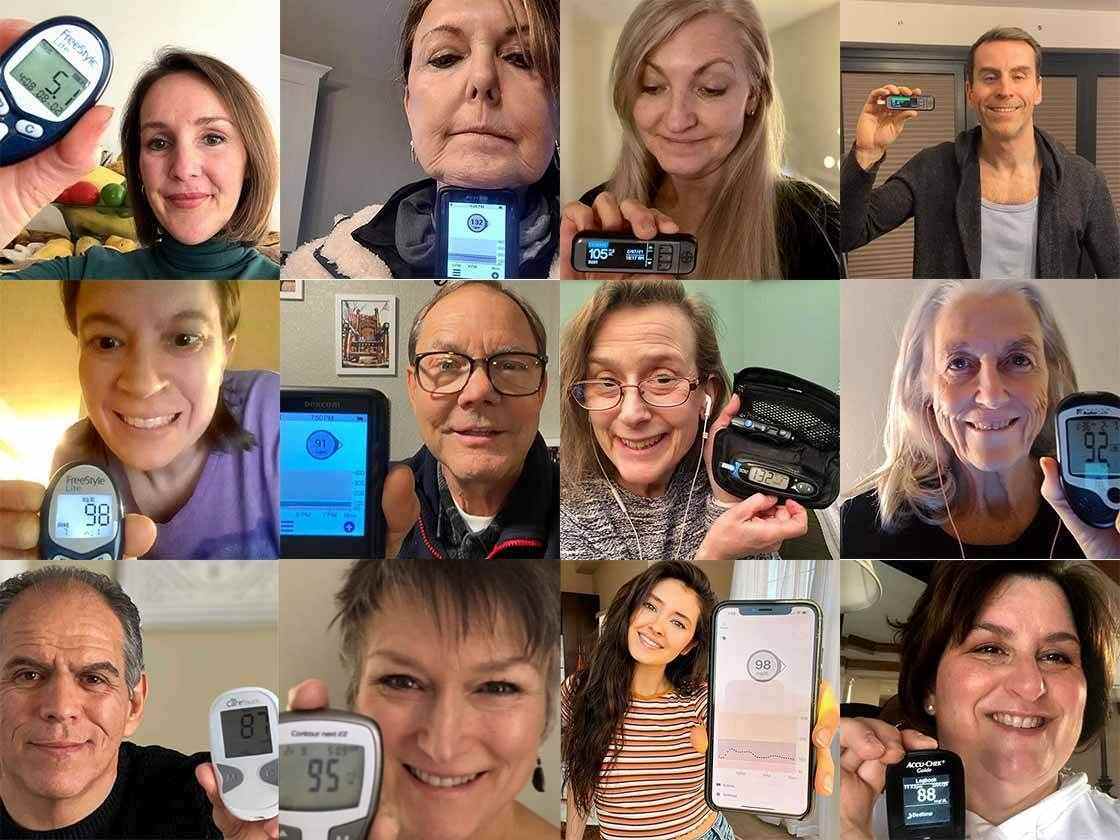
Your results are guaranteed. Join more than 10,000 ecstatic members today
Personalized coaching puts you in immediate control of your diabetes health, helps you gain energy, improves your quality of life, and reduces or eliminates your meds.