
Have you ever gone to bed with a decent blood sugar… only to wake up with even higher numbers, without eating anything?
If that sounds familiar, here’s the truth most people never hear: High blood sugar isn’t caused by sugar, fruit, or carbohydrates. It’s caused by something happening inside your cells. And once you understand that, the question of what to eat becomes surprisingly simple.
In this article, you’ll learn exactly what you can actually eat to reverse insulin resistance (not just manage blood sugar) using real food, real mechanisms, and real human studies.
Why Blood Sugar Is High in the First Place
Before food choices make sense, you need to understand the root cause.
Insulin is a hormone that works like a key.
Your muscle and liver cells are the locks, when the lock is clean, the key works perfectly, glucose enters the cell and blood sugar comes down. But decades of metabolic research show that when fat accumulates inside muscle and liver cells, that lock gets jammed. The key still exists, but it doesn’t turn.
Glucose can’t enter the cell, so it backs up in the bloodstream, and blood sugar rises.

One of the clearest demonstrations of this comes from a controlled feeding study published in Diabetes Care. In this study, researchers overfed people the same number of calories, the only difference was where those calories came from:
- One group ate foods high in saturated fat (butter, cheese, coconut oil)
- Another group ate unsaturated fat
- A third group ate simple sugars
The saturated-fat group accumulated significantly more liver fat, developed worse insulin resistance, and produced more glucose overnight, even though their weight didn’t change.
This proves a critical point: Carbohydrates do not cause insulin resistance. Fat inside your cells does.
So if you want to reverse type 2 diabetes, prediabetes, fatty liver, and stubborn fasting blood sugar you must clear the fat out of your cells. And the most powerful way to do that is with the foods below.
1. Greens & Non-Starchy Vegetables
Start every major meal with greens.
Greens improve blood sugar in two powerful ways.
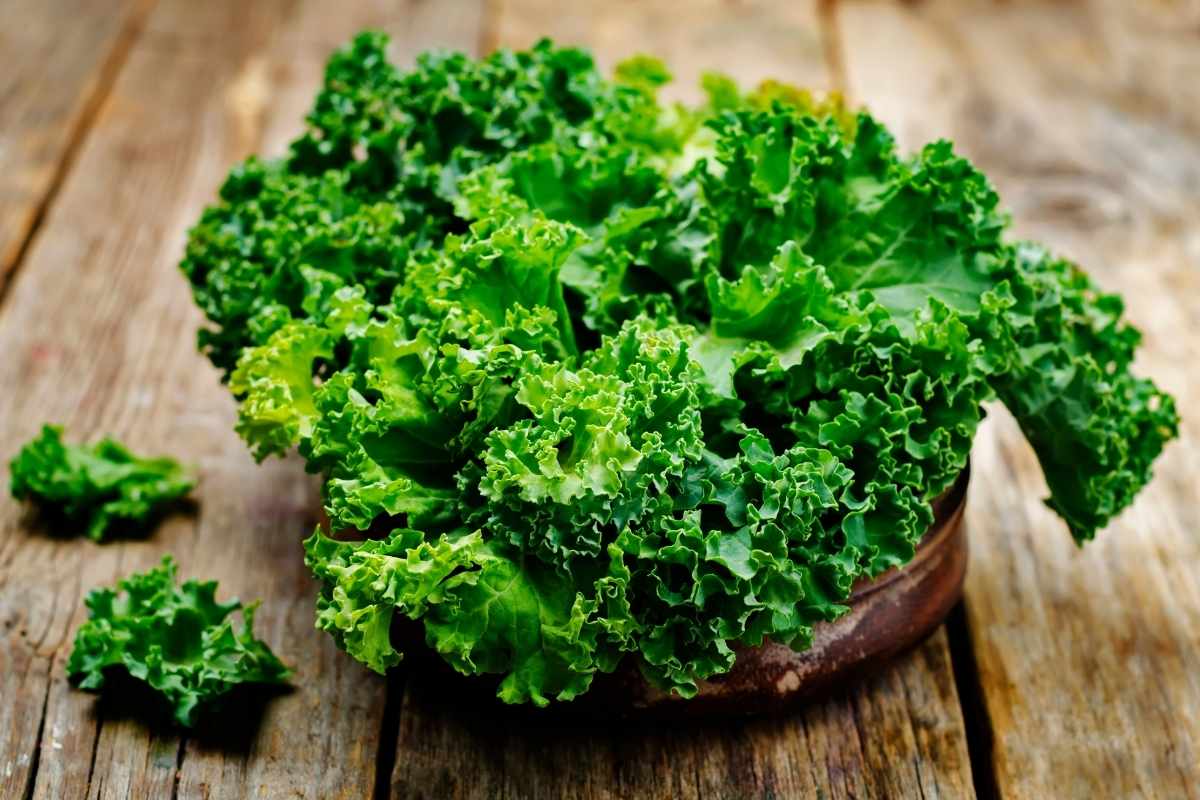
First, they slow glucose absorption.
Their fibers absorb water and form a gel-like mesh in your digestive tract, acting like a speed bump before glucose reaches your bloodstream. Instead of a sharp spike, glucose enters slowly and predictably.
Second, greens improve insulin sensitivity over time.
A 2021 systematic review in Nutrients found that plant-forward diets rich in vegetables consistently:
- Improve insulin sensitivity
- Lower inflammation
- Reduce risk of type 2 diabetes
Greens are extremely low in fat, high in antioxidants, and rich in micronutrients that support mitochondrial function — all of which help clear the fat clog inside your cells.
How to use this daily
Make greens the first bite of your meal, not an afterthought.
2. Legumes: Beans, Lentils, Chickpeas
Legumes are one of the most underrated insulin-sensitizing foods on the planet. They work through multiple mechanisms at once.
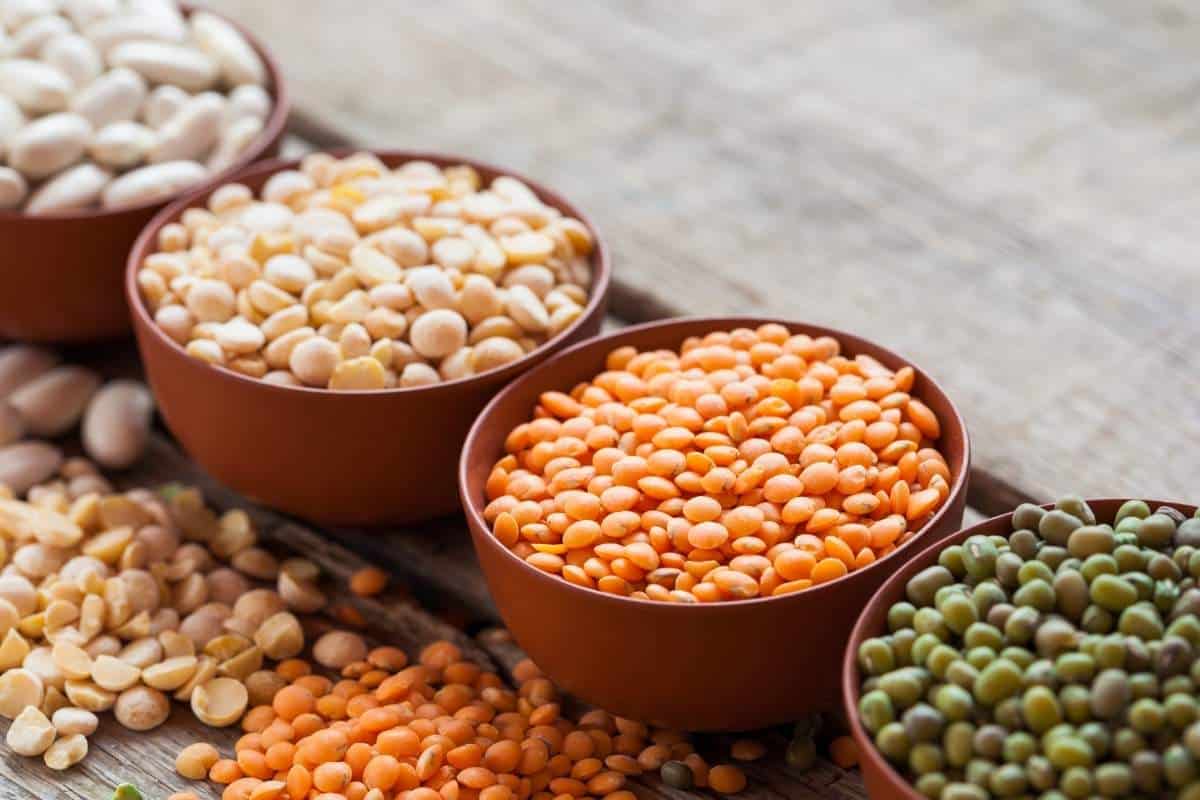
They flatten post-meal glucose.
Beans digest slowly and release glucose gradually, preventing the rapid surge that overwhelms insulin-resistant cells.
They create the “second-meal effect.”
When you eat legumes at lunch, your dinner glucose improves — even if dinner doesn’t include beans.
Why? Legumes feed gut bacteria that produce short-chain fatty acids (SCFAs) like butyrate and propionate. These SCFAs travel to muscle and liver cells and improve insulin signaling for hours.
They’re naturally low in fat.
Which means they help remove fat from inside cells instead of adding to it.
If beans spike you right now, that doesn’t mean beans are the problem, it means insulin resistance is being revealed.
Lower the fat, clear the clog, and beans become one of the most stabilizing foods you can eat.
3. Whole Grains & High-Fiber Starches
Rolled oats, barley, brown rice, quinoa, whole-grain pasta. These foods are feared because they contain carbs, but controlled feeding trials show the opposite of what the internet claims.
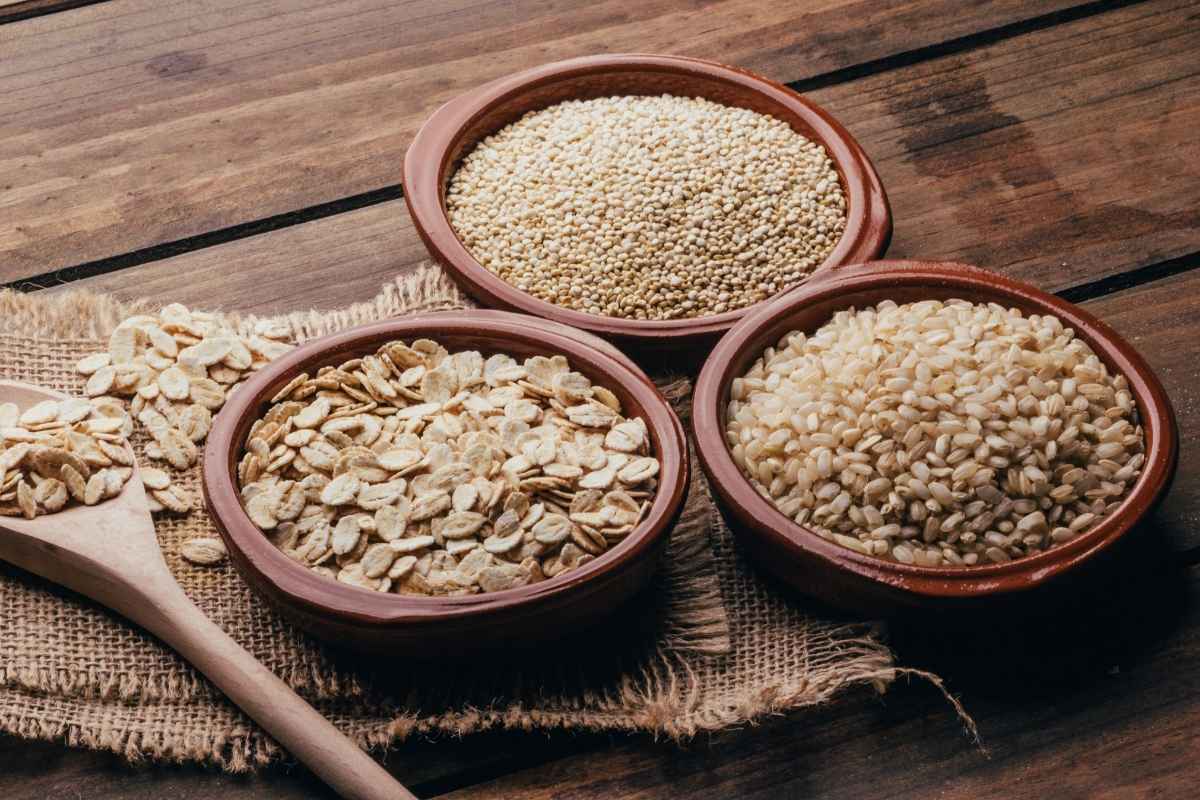
In a randomized crossover trial published in the American Journal of Clinical Nutrition, overweight adults consuming whole grains significantly improved insulin sensitivity, measured by a gold-standard clamp — with no weight loss.
Large population studies also show higher whole-grain intake is associated with lower diabetes risk. Whole grains digest slowly, contain fiber, and are naturally low in fat, as long as they’re not drowned in oil or butter.
4. Starchy Vegetables & Clean Carb Roots
Potatoes, sweet potatoes, winter squash, beets, corn. These foods don’t cause blood sugar problems, they expose insulin resistance.
They are:
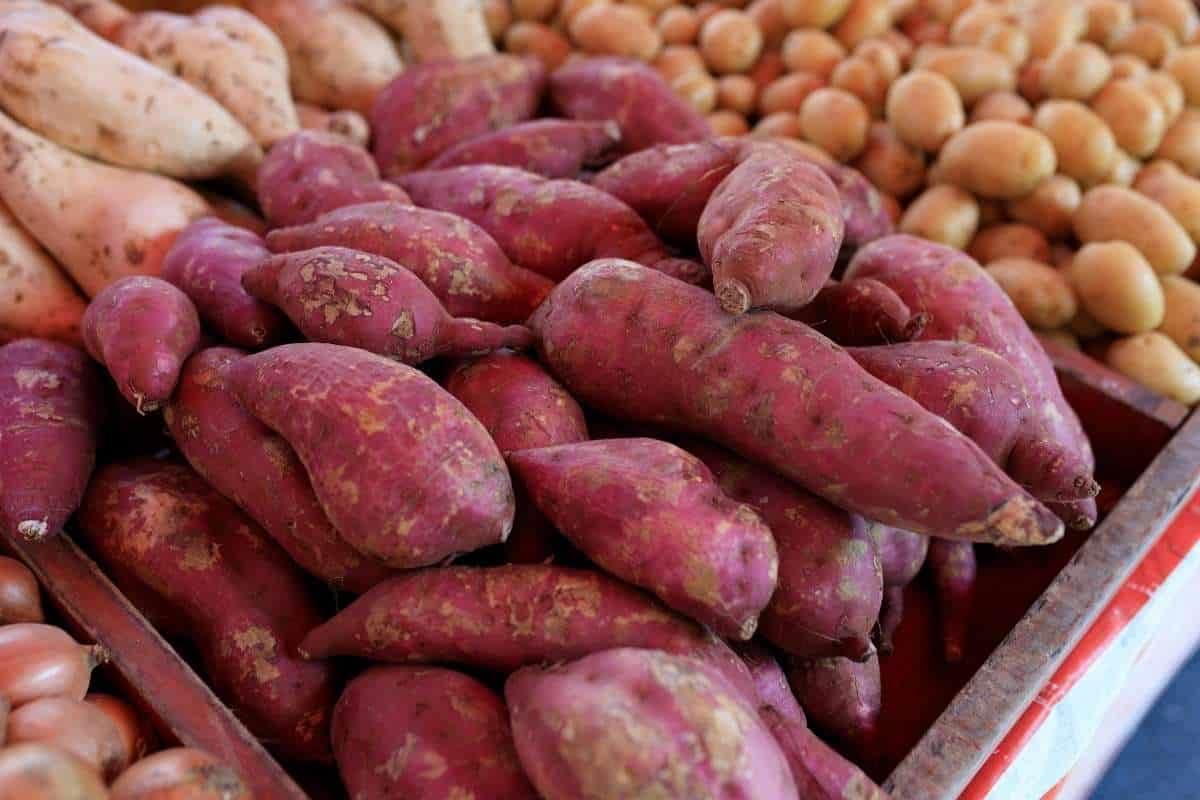
A medium-sized sweet potato is about 77% water, contains fiber, and almost no fat, the opposite of what drives insulin resistance.
Traditional populations that relied on these foods (like Okinawans or the Tsimane) had extraordinarily low rates of diabetes. As saturated fat drops and insulin sensitivity improves, these foods go from “spiky” to stable, predictable, and healing.
5. Fruit: Your Metabolic Ally
Fruit is one of the most misunderstood foods in diabetes. Large population data tells a clear story.
A BMJ analysis following over 180,000 people found that higher intake of whole fruit, especially blueberries, apples, and grapes, was associated with lower risk of type 2 diabetes.
And a randomized controlled trial showed that restricting fruit did not improve blood sugar in people newly diagnosed with type 2 diabetes.
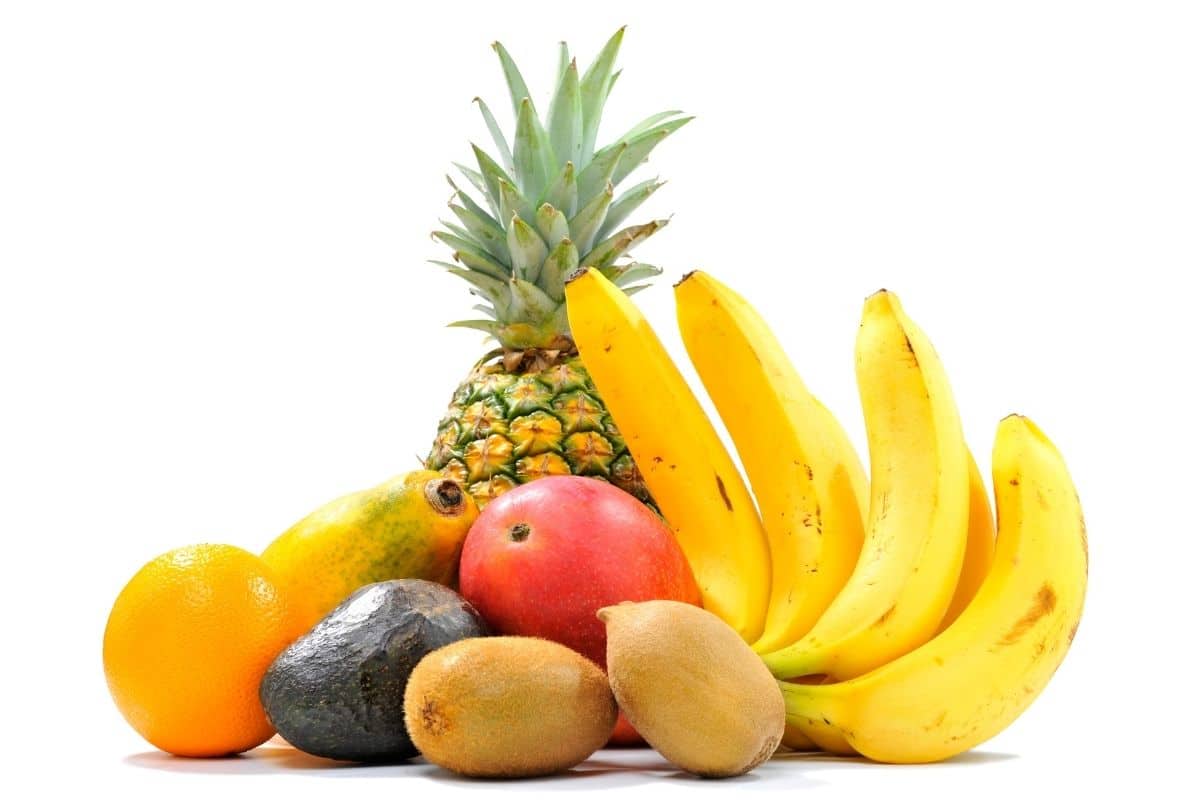
Fruit comes packaged with:
When dietary fat is low, fruit becomes one of the most glucose-friendly foods you can eat.
The Big Picture
A 2021 review in Advances in Nutrition showed that diets built around fruits, vegetables, whole grains, and legumes:
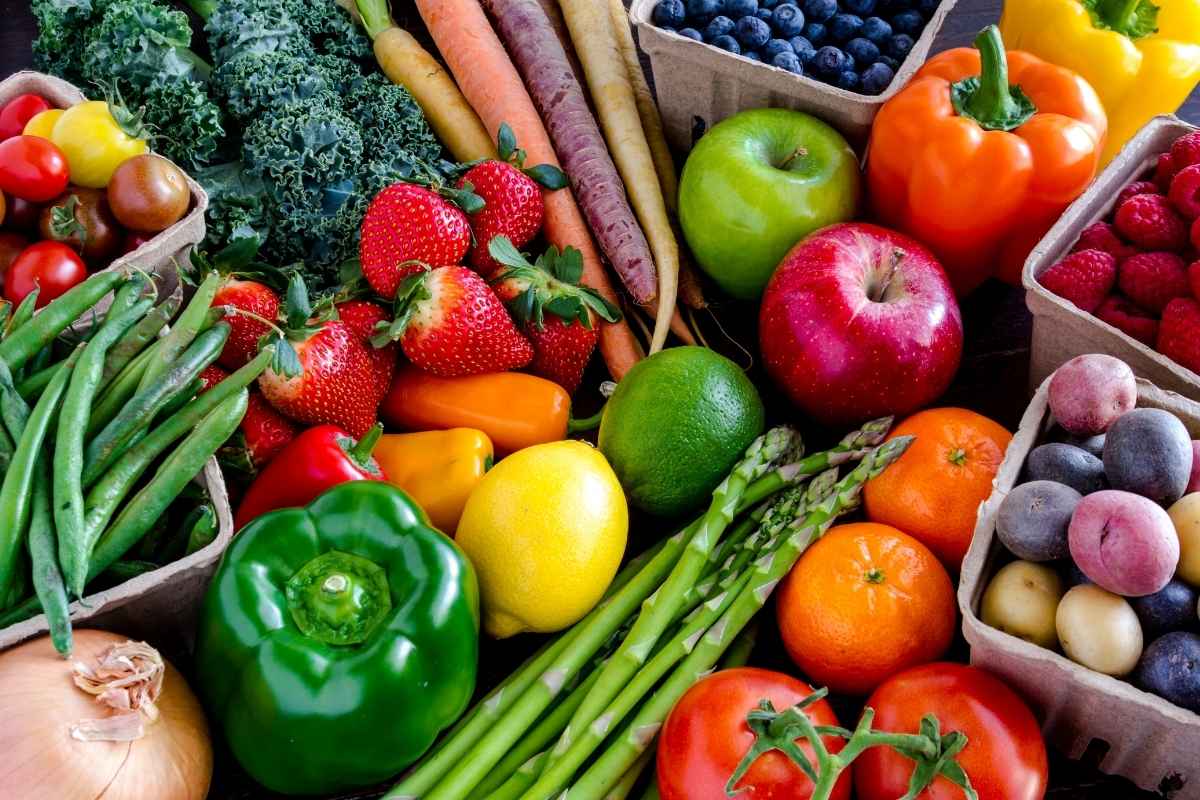
The mechanisms are clear:
What a Real Day of Eating Looks Like
This pattern lowers liver fat, improves insulin sensitivity, stabilizes glucose, and improves A1c.
Want This Made Simple?
If you want a clear, step-by-step roadmap — including low-saturated-fat meals, high-fiber recipes, and daily habits that restore liver insulin sensitivity — book a free discovery call with one of our advisors today and learn how the Mastering Diabetes Coaching Program can help you reclaim your health.
Lower Your A1c and Fasting Blood Sugar... Guaranteed
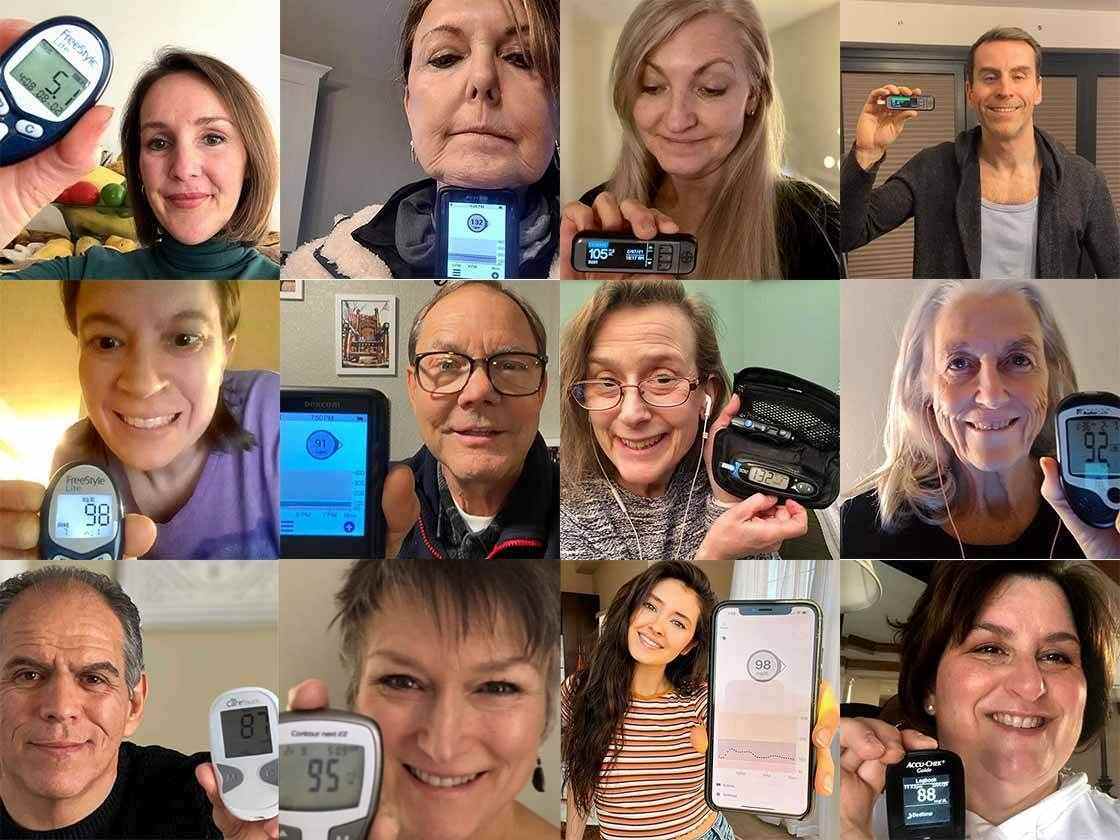
Your results are guaranteed. Join more than 10,000 ecstatic members today
Personalized coaching puts you in immediate control of your diabetes health, helps you gain energy, improves your quality of life, and reduces or eliminates your meds.